
In Zimbabwe's Binga District, Five Villages Share a Solar Borehole to Ride Out Drought
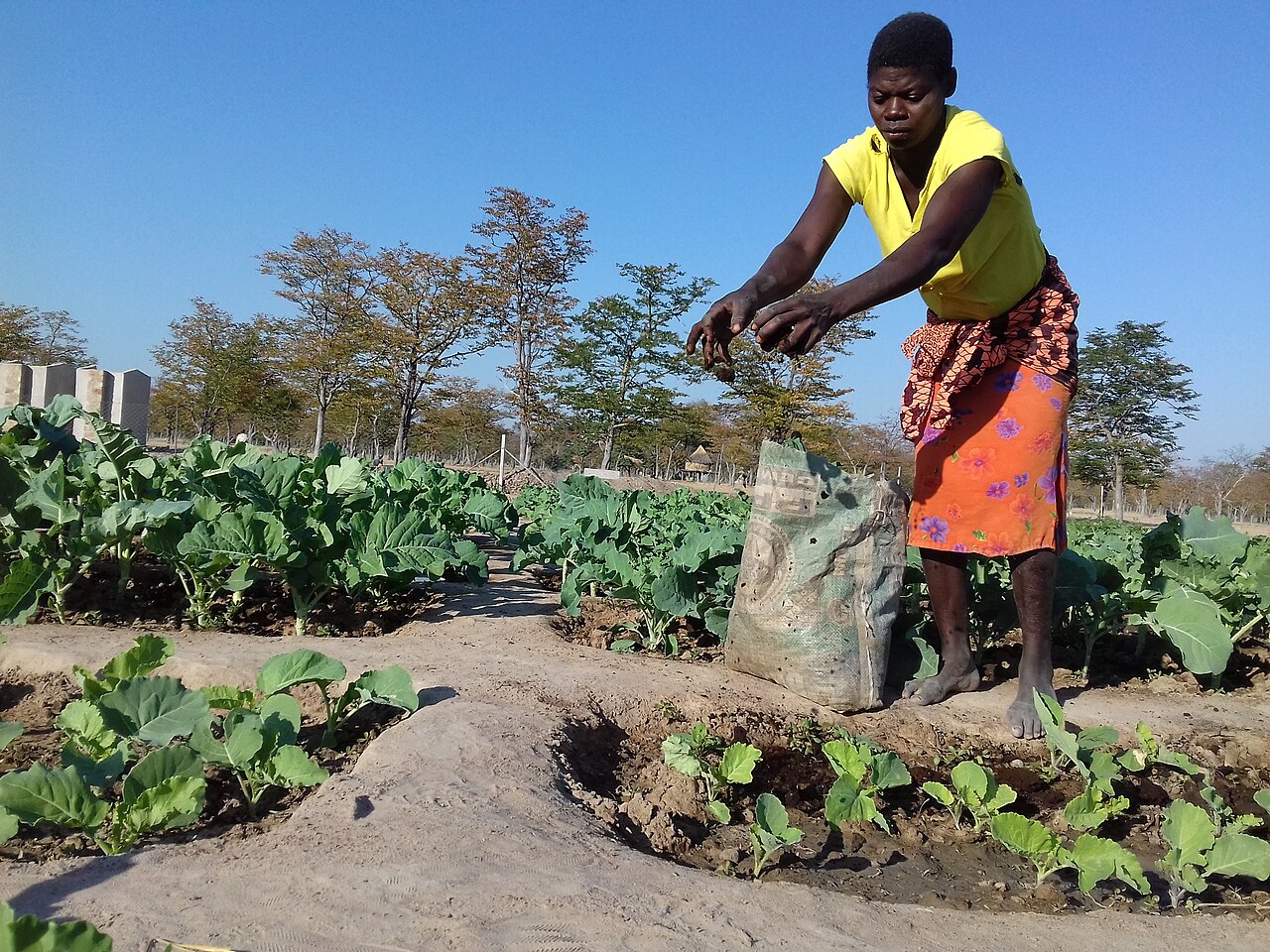
In Binga district, in northwestern Zimbabwe, dry spells are getting longer. Farmer Emason Muchimba told a Zimbabwean news site, "Whenever there is an El Nino, our animals and crops are the hardest hit." Now a solar-powered borehole in the community of Muchesu, built through a project supported by WWF Zimbabwe, serves about 500 households across five villages. People made it their own. Each household put in five dollars for taps and pipes, and residents pooled money for cement to build a trough for their livestock. Lead farmer Mary Mwiinde said working together "helps us take ownership of the project." Mr. Muchimba now waters a one-hectare garden to feed his family and earn an income. Practical Action, at practical action dot org, works with farming families on solar water and living with drought.
The Muchesu borehole, in Ward 11 of Binga District, was drilled and fitted with solar power under the KAZA Arise Project, which WWF Zimbabwe supported between 2022 and 2025, Farm Future Africa reported on 26 November. The area lies within the Kavango-Zambezi Transfrontier Conservation Area, where El Niño cycles have squeezed harvests, thinned out grazing and cut into incomes. Having water in the storage tank was not enough on its own, Mary Mwiinde explained: "we also needed to make sure that our livestock could easily access it." So households paid for the taps and pipes and built the concrete drinking trough themselves.
The community has also found a way to pay for upkeep. Livestock owners from neighbouring communities who bring their animals to drink contribute US$3 to use the facility, money that helps maintain the system. "The borehole is more than just a source of water; it is an investment in the community's future," said Mailos Mugande, headmaster of Muchesu Primary School. Emason Muchimba, who takes part in the project's Farmer Field Schools, channels water from the storage tank into his plot and uses flood irrigation to keep his vegetables growing through dry spells, so he can plant and harvest outside the normal rainy season.
The need is real. In April 2024 Zimbabwe declared a nationwide state of disaster after an El Niño drought, and UN News reported that the drought destroyed more than half of the country's harvest, leaving about 7.6 million people at risk of acute hunger. At the time, a $429 million UN flash appeal to help more than 3 million people was only about 11 per cent funded. Groups such as Practical Action, which says about 60 per cent of Zimbabweans make a living from farming, are helping rural communities adapt with solar-powered irrigation and better access to energy.
Who is working on this
- Practical Action: has worked with farming communities in Zimbabwe for over 30 years, introducing solar-powered irrigation schemes and helping smallholder farmers adapt to climate change.
- WWF Zimbabwe: supported the KAZA Arise Project that drilled and solarised the Muchesu borehole and promotes Farmer Field Schools on climate-smart farming in the Kavango-Zambezi landscape.
Learn more
- Farm Future Africa: Binga Communities Turn Solar Borehole Into Shield Against El Niño Drought
- UN News: Zimbabwe faces worsening food crisis due to El Niño droughts
- Practical Action: Practical Action in Zimbabwe
This story was featured in today's Humanitarian Explorer podcast. Sources: Farm Future Africa, "Binga Communities Turn Solar Borehole Into Shield Against El Niño Drought," 26 November 2026; UN News, "Zimbabwe faces worsening food crisis due to El Niño droughts," 7 August 2024; Practical Action, "Practical Action in Zimbabwe."
How you can help
Support the groups helping farming families in Zimbabwe find reliable water and live with drought.
- Practical Action: helps smallholder farmers in Zimbabwe use solar-powered water and irrigation to grow food through dry seasons.
- WWF Zimbabwe: backs community water points and climate-smart farming in drought-prone areas such as Binga.
💬 0 replies
Inloggen to reply.