
Ethiopia Sets Out to Protect 11 Million Children From Polio, South Sudan Readies for Ebola and More
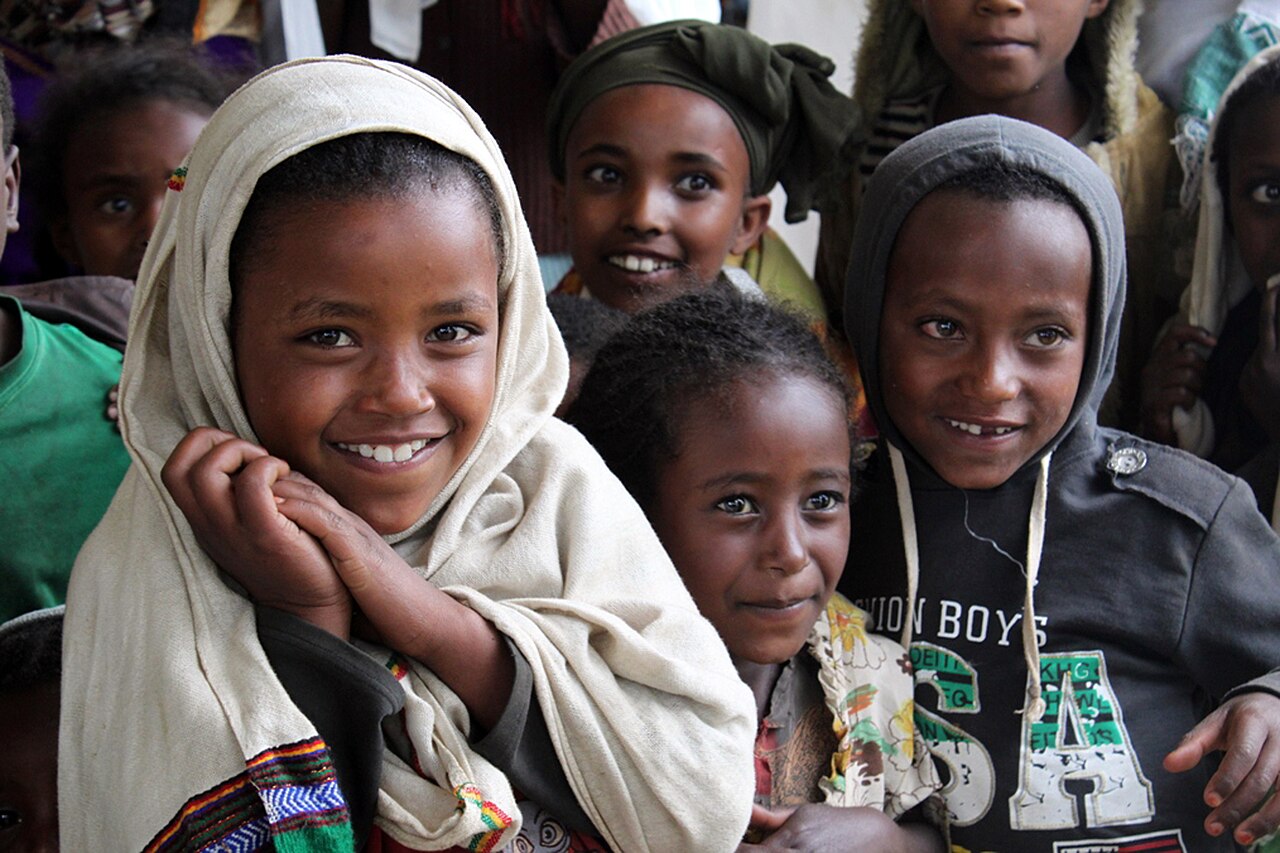
Today's health roundup starts in Ethiopia, where vaccination teams are going door to door to protect millions of children from polio. We also look at how South Sudan has prepared for Ebola next door, how South-East Asian countries are working to get wheelchairs, hearing aids and glasses to the people who need them, and how Belize is training health workers to catch high blood pressure early.
Ethiopia: a polio drive to protect more than 11 million children
Ethiopia launched a polio vaccination campaign on 21 November 2026 that aims to protect more than 11.3 million children, the World Health Organization's Africa office reported. The government is running it with WHO, UNICEF and partners in the Global Polio Eradication Initiative across five regions: Addis Ababa, Oromia, Central Ethiopia, South Ethiopia and Southwest Ethiopia. The first round runs from 21 to 24 November and a second round from 18 to 21 December, with health workers and community volunteers visiting homes to vaccinate every eligible child.
The teams are also looking for "zero-dose" and under-vaccinated children and linking them to routine immunization, so the visits can close other gaps too. "Every child vaccinated during this vaccination campaign brings Ethiopia to contributing one step closer to a polio-free future," said Dr Loveday Nkwogu, speaking for WHO and partners at the launch in Arba Minch.
Ethiopia is free of wild poliovirus, but cases of circulating variant poliovirus type 1 were reported this year in Gambella, Oromia and South Ethiopia regions. Earlier outbreak responses in Gambella, Benishangul-Gumuz and parts of Oromia reached more than 1 million children. WHO says strong surveillance must continue alongside vaccination so any new spread is caught quickly.
South Sudan: getting ready for Ebola before it arrives
With a large Ebola outbreak caused by the Bundibugyo virus in neighboring Democratic Republic of the Congo, South Sudan has sharply improved its ability to detect and respond to the disease, WHO reported on 20 November 2026. The country's score on a WHO readiness self-assessment rose from 29% in May to 72.5% in October. Authorities identified 15 high-risk counties to focus on and set up isolation facilities, held drills at the national public health laboratories, and from 19 to 24 October ran a full-scale simulation with 93 participants. The exercise showed the country could detect the disease at every simulated site.
"Preparedness cannot wait until a case is detected," said Dr Moses Ongom, Officer-in-Charge at WHO South Sudan.
The need is real. UN News reported that WHO's chief said on 17 November that the outbreak in DR Congo had passed 11,000 cases and 5,400 deaths. Keeping border posts, labs and response teams ready across the region will remain essential for as long as the outbreak continues.
South-East Asia: bringing assistive products to the people who need them
On 19 November 2026 the WHO South-East Asia office opened a two-day workshop in Bangkok with Thailand's Sirindhorn National Medical Rehabilitation Institute, bringing together representatives from eight countries to plan how to get assistive products such as wheelchairs, hearing aids, glasses and prostheses to more people. WHO says more than 2.5 billion people worldwide need at least one such product, a number expected to reach 3.5 billion by 2050 as populations age, and nearly one billion people cannot get what they need.
There is progress to build on. With WHO support, Bhutan, India, Nepal and Timor-Leste have adopted national lists of priority assistive products, Bangladesh has drafted one along with an investment case, and WHO has supported a national list in the Maldives. WHO's model list, updated in 2026, covers 66 categories of products.
A list is only a first step. WHO is urging countries to put these products into health budgets and coverage packages and to plan for training, repairs and replacement. "Assistive technology must be an integral part of health systems," said Dr Nilesh Buddha, Officer-in-Charge of the WHO South-East Asia Region.
Belize: training health workers to catch high blood pressure early
Belize's Ministry of Health and Wellness and the Pan American Health Organization held a two-day workshop for more than 40 physicians, nurses and pharmacists from primary health care facilities, PAHO reported on 20 November 2026. The training, part of the HEARTS initiative, covered accurate blood pressure measurement, assessing heart disease risk, treatment and follow-up. Participants also chose priority actions to carry out in their own clinics over the next 90 days, with continued mentoring.
The stakes are high. Heart disease was Belize's leading cause of death in 2025, accounting for 309 deaths. About one in three adults lives with high blood pressure, and more than four in ten of them are estimated not to know it. Since adopting HEARTS in 2023, Belize has kept expanding training, and more than 250 health professionals have been trained in 2026.
"Our goal is to ensure that every person at risk of cardiovascular disease or living with cardiovascular disease can access timely, standardized, and quality care within our primary health care system," said Dr Laura Friesen, Deputy Director of Public Health and Wellness at the ministry.
Why it matters
None of today's stories is a dramatic breakthrough. They are about the steady work that keeps people healthy: reaching every child at home, being ready before an outbreak crosses a border, making sure an older person can get a hearing aid, and checking blood pressure at the local clinic. Each still needs funding and follow-through to last.
Learn more
- WHO Africa: Ethiopia launches polio vaccination campaign to protect more than 11 million children
- WHO Africa: South Sudan strengthens readiness for Bundibugyo virus disease
- WHO South-East Asia: WHO urges countries to accelerate action on national priority lists to improve access to assistive technology
- PAHO: Belize Advances the Better Care for Non-communicable Diseases Initiative Through Expansion of the HEARTS Initiative
Sources: WHO Regional Office for Africa, "Ethiopia launches polio vaccination campaign to protect more than 11 million children," 21 November 2026; WHO Regional Office for Africa, "South Sudan strengthens readiness for Bundibugyo virus disease," 20 November 2026; UN News, Health news listing, November 2026; WHO South-East Asia, "WHO urges countries to accelerate action on national priority lists to improve access to assistive technology," 19 November 2026; PAHO/WHO, "Belize Advances the Better Care for Non-communicable Diseases Initiative Through Expansion of the HEARTS Initiative," 20 November 2026.
How you can help
These organizations work on the issues in today's stories:
- Rotary International mobilizes its members and raises funds to end polio worldwide.
- International Medical Corps provides emergency health care and outbreak response in crisis areas, including South Sudan.
- HelpAge International works with older people around the world, including across Asia, so they can live healthy, independent lives.
- Resolve to Save Lives helps countries improve blood pressure control and prevent heart attacks and strokes.
💬 0 replies
Inloggen to reply.