
Gavi Reserves 1.5 Million Ebola Vaccine Doses for Congo, Oyo Offers Free Care to Mothers and More
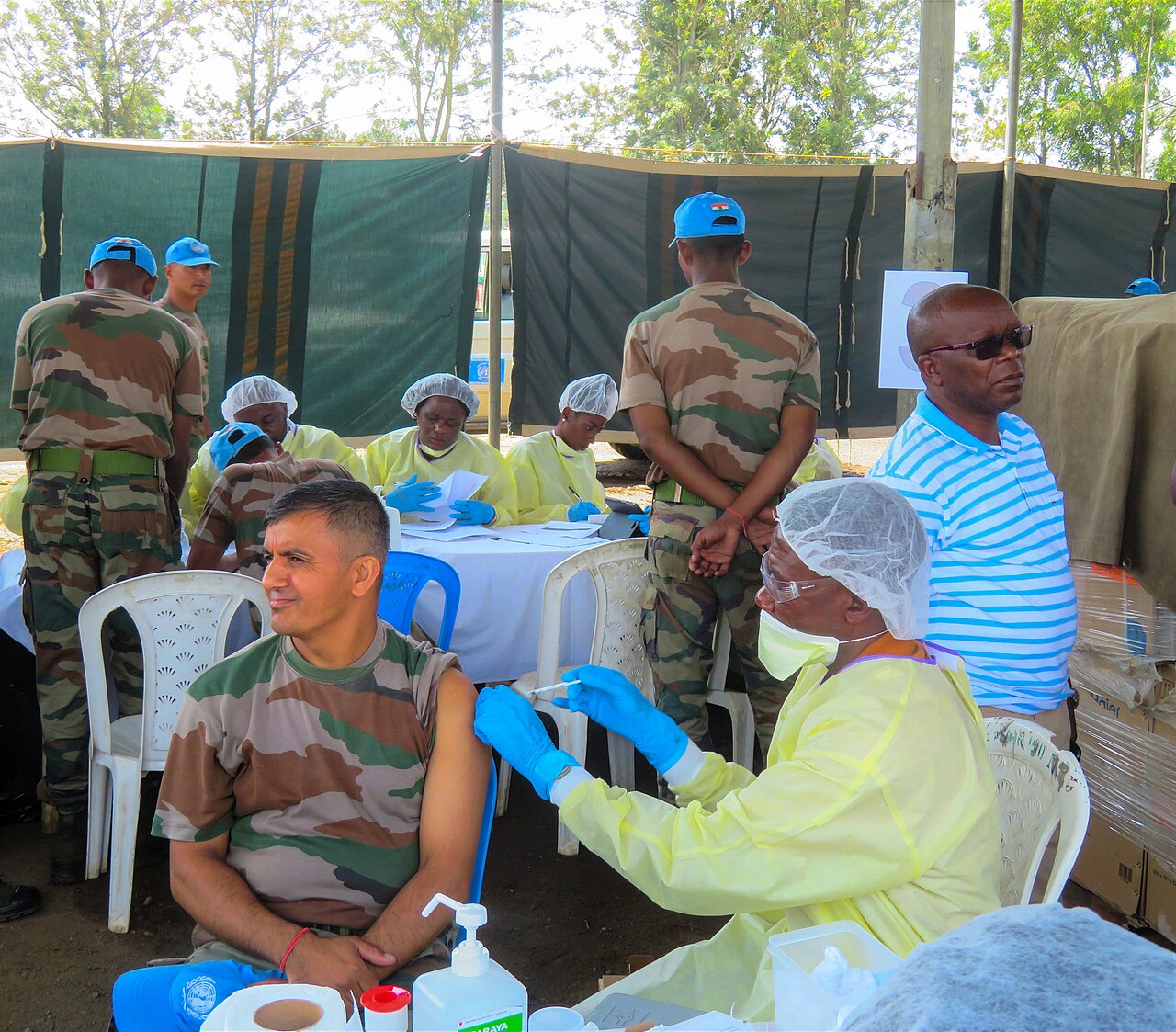
Today's health roundup starts in the Democratic Republic of the Congo, where a new deal could put a purpose-built Ebola vaccine in reach much sooner, then moves to Nigeria's Oyo State, where free care for mothers and children is on offer statewide. We also look at a major new report on health gaps across Europe and Central Asia, and at Pakistan's preparations for its next polio campaign.
DR Congo: Gavi reserves up to 1.5 million doses of a new Ebola vaccine
On 24 November, Gavi, the Vaccine Alliance, announced an advance purchase commitment with the Serum Institute of India for up to 1.5 million doses of ChAdOx1 BDBV, a candidate vaccine against the Bundibugyo species of Ebola developed with the Oxford Vaccine Group at the University of Oxford. The doses will only be bought if the vaccine succeeds in clinical trials and receives the needed regulatory approvals and policy recommendations. The Serum Institute has already made the drug substance for more than half a million doses so supply can move quickly.
"As the Ebola outbreak continues to devastate communities in the Democratic Republic of the Congo, we must act with urgency," said Gavi CEO Dr Sania Nishtar. Gavi says the outbreak has caused more than 11,600 cases and more than 5,700 deaths, the vast majority in the DRC. The candidate is one of two new Bundibugyo vaccines that WHO recommended for testing in the Tumaini trial, which began in Bunia, Ituri province, in October. Gavi is also providing 70,000 doses of the existing Ervebo vaccine, now being given under WHO compassionate emergency use protocols, and is funding support that protects routine immunization and frontline health workers.
The work remains dangerous. On Tuesday, UN News reported that WHO staff and Ebola responders were trapped in a hospital in Ituri as heavy fighting continued nearby.
Nigeria: Oyo State offers free care to mothers and children in all 33 local areas
Oyo State has launched the second round of its 2026 Optimised Maternal, Newborn and Child Health Week, offering free services across all 33 of its local government areas, the Nigerian Tribune reported on 23 November. The week brings malaria prevention, routine immunization, nutrition services, HIV screening and other primary health care together in one place, so families can get several services in a single visit.
Dr Muideen Olatunji, executive secretary of the Oyo State Primary Health Care Board, opened the week at Oranyan Primary Health Care Centre in Ibadan. He said the program runs twice a year and that, despite funding challenges that keep some states from holding both rounds, Oyo had managed both. "Everything we are doing is free. All the interventions are free. It is not only for Ibadan residents; it is for everybody in our state," he said. More than 200 women and children received services such as deworming and vitamin A at the launch alone.
Olatunji urged pregnant women to register early for antenatal care and to give birth in health facilities with skilled attendants, and asked fathers to support them. A UNICEF representative spoke for partners including WHO and Evidence Action. Regular rounds like this are only one part of the answer, but they help keep preventive care within reach.
Europe and Central Asia: WHO maps who is being left behind
On 24 November, the WHO Regional Office for Europe launched its second European Health Equity Status Report. It estimates that 187 million people, about one in five across the region's 53 countries, are held back by avoidable health inequities. Euronews reports that an estimated 35 million of them are children and adolescents, and that children in the poorest households are twice as likely to die before age five as those in the richest.
"Too often, where you are born, what your family earns and whether you can find decent work or training still dictate how healthy you will be," said Corinne Capuano, officer-in-charge at WHO/Europe. The report also points to solutions: it includes more than 60 country examples and recommends capping or waiving health care co-payments for people on low incomes, free or subsidized school meals, anti-bullying programs in schools and paid parental leave. It found that early investment in families, nutrition, housing and early learning can return up to eight times its cost over a child's lifetime. WHO/Europe is also starting a Pathfinder Countries initiative to help countries draw up their own health equity roadmaps.
Pakistan: training begins for December's national polio campaign
Pakistan's National Emergency Operations Centre has started training the trainers who will prepare vaccination teams for the country's December National Immunization Days, which begin on 12 December, the Associated Press of Pakistan reported on 23 November.
Master trainers will pass the training on to district, union council and other local teams. Sessions covered the current polio situation, lessons from the November campaign, microplanning, monitoring, vaccine management and ways to reach mobile and migrant families.
Why it matters
Today's stories show health progress depends on being ready: vaccines reserved before they are approved, trainers prepared weeks before a campaign, and free care offered regularly instead of only in a crisis. WHO/Europe's report is a reminder that progress must reach the families who are furthest behind.
Learn more
- Gavi: Gavi signs agreement with Serum Institute of India to secure rapid access to Bundibugyo vaccines
- UN News: Two new Ebola vaccines to join DR Congo clinical trial
- Nigerian Tribune: Oyo moves to prevent maternal, child deaths with free statewide health interventions
- Euronews: Growing health inequalities put millions of European children at risk, WHO warns
- WHO/Europe: Regional virtual launch of the second WHO European Health Equity Status Report
- The Nation (APP): Polio programme begins training ahead of campaign
Sources: Gavi, "Gavi signs agreement with Serum Institute of India to secure rapid access to Bundibugyo vaccines," 24 November 2026; UN News, "Two new Ebola vaccines to join DR Congo clinical trial," 5 November 2026; Nigerian Tribune, "Oyo moves to prevent maternal, child deaths with free statewide health interventions," 23 November 2026; Euronews, "Growing health inequalities put millions of European children at risk, WHO warns," 24 November 2026; WHO/Europe, "Regional virtual launch of the second WHO European Health Equity Status Report," 24 November 2026; The Nation (APP), "Polio programme begins training ahead of campaign," 23 November 2026.
How you can help
These organizations work on the issues in today's stories:
- ALIMA is a medical humanitarian organization that provides health care to communities facing crises and epidemics.
- Wellbeing Foundation Africa works to improve the health of mothers, newborns and children in Nigeria.
- Eurochild is a network of organizations working to put children's rights and wellbeing at the heart of policy in Europe.
- Rotary International is a founding partner of the Global Polio Eradication Initiative and helps fund polio vaccination campaigns around the world.
💬 0 replies
Inloggen to reply.