
Indonesia Widens Free Meals to Reach 20 Million More, Mary's Meals Passes 4 Billion School Meals and More
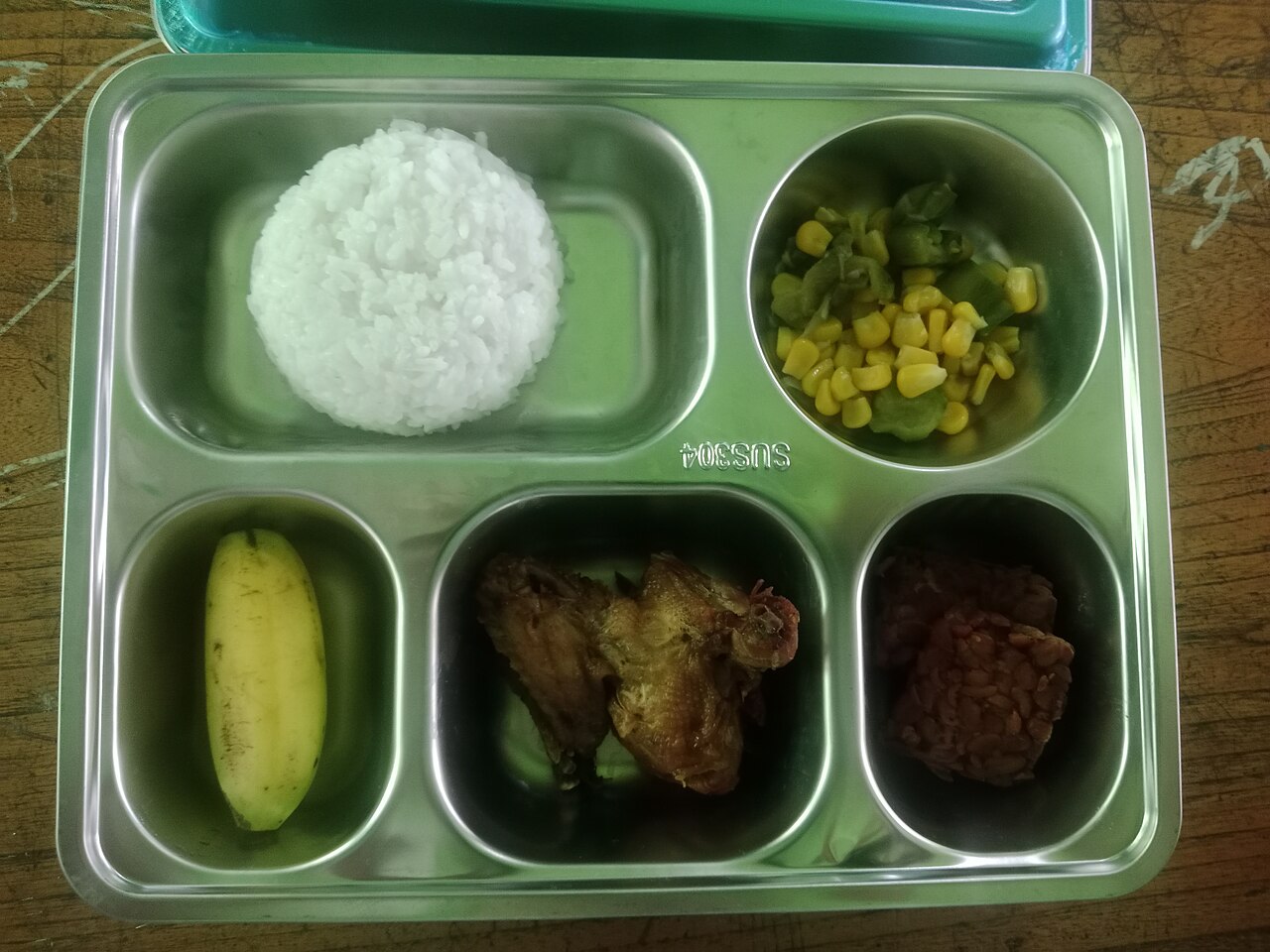
Today's food and nutrition roundup travels from Indonesia, where a national free meals program is setting its sights on the hardest-to-reach communities, to Malawi and beyond, where a school meals charity has passed a remarkable milestone. We also look at Nigeria's latest harvest survey and at Ethiopian farmers who are bringing tired soils back to life.
Indonesia: free meals program aims for 20 million more people
Indonesia's National Nutrition Agency (BGN) says its Free Nutritious Meals program, known as MBG, now serves around 58 million people and is being expanded to reach up to 78 million. Speaking in Jambi on Friday, November 20, agency head Sudaryono said the remaining 20 million or so are the priority, starting with remote, frontier and outermost regions and areas with high rates of stunting, the state news agency ANTARA reported. The full target is about 57 million students plus about 21 million pregnant women, breastfeeding mothers and toddlers.
"The program's expansion must take into account the needs of communities in each region. We want the areas in greatest need to receive attention and services first," Sudaryono said.
The agency also says it is tightening how the program is run under what it calls "MBG 2.0": daily reports on spending are now mandatory, meal kitchens are being monitored more closely, and a centralized CCTV system is being developed, ANTARA reported. These figures come from the agency itself. The real test is whether the meals that reach far-off islands and villages are safe, nutritious and steady enough to make a lasting dent in childhood stunting.
Global: Mary's Meals passes 4 billion school meals
Mary's Meals, a charity that began in a garden shed in the Scottish Highlands, says it has now served 4 billion school meals since starting its first school feeding program in Malawi 24 years ago. It marked the milestone around World Children's Day on November 20, according to the charity's announcement. Today it reaches more than 3 million children with a meal every school day in 16 countries across Africa, Asia, Latin America and the Middle East.
The work began with 200 meals at a school in Malawi, after founder Magnus MacFarlane-Barrow met a boy named Edward during a famine in 2002. Asked about his hopes, Edward said: "I want to have enough food to eat and to be able to go to school one day." Meals follow local food traditions, from rice and beans in Haiti to porridge in Malawi, Top Africa News reported.
"But the most important number is not 4 billion. It is the next child still waiting," MacFarlane-Barrow said. The charity cites an estimate that 79 million primary-age children around the world are still out of school, many of them working or begging to survive.
Nigeria: survey finds bigger harvests in 2026
Nigeria's 2026 Agricultural Performance Survey found that cereal production rose 1.8 percent compared with 2025, to about 29.4 million metric tonnes, and that 13 of the 17 major crops assessed produced more, Vanguard reported. The report was presented in Abuja on Wednesday, November 18, by Professor Yusuf Sani, head of the National Agricultural Extension and Research Liaison Services (NAERLS). Niger State led the country in both rice and yam production.
Agriculture and Food Security Minister Abubakar Kyari said the larger wet-season harvest had helped bring down prices of staples such as garri and millet. "Just within the one year, we have seen prices dropping," he said. He added that another harvest is expected within the next month and that the Presidential Fertiliser Initiative plans to release three million bags of fertilizer within a month.
The picture is not all good. Ginger, cocoyam, millet and soybean production fell, and farmers named limited access to quality seed as their biggest problem, at 28.8 percent of the challenges they reported, followed by weak extension services and training and too little access to inputs.
Ethiopia: farmers show how healthier soil grows more food
In Ethiopia's Jimma, Arsi and South Wollo zones, a soil fertility program called TRANSFORM worked with 685 farmers, including 158 women and 137 young people, on 34 on-farm trials covering 13 crops between January and October, the International Fertilizer Development Center (IFDC) reported on November 19. Field days held from late September to mid-October reached 4,892 farmers.
One of them, 50-year-old Nadew Getanew of Borara Chirawo in Arsi, found that acidic soil was holding back his wheat. He treated half his land with agricultural lime, vermicompost, improved seed and terracing and farmed the other half the old way. "Even when rainfall was limited, the improved plot performed far better than the section managed under traditional practices," he said.
Participants want to build on the results: stakeholders in Arsi proposed taking proven practices from about 30 farmer innovators to 300 more farmers across the zone. Programs like this are still small compared with the millions of Ethiopian smallholders working depleted soils, so spreading what works will take steady support.
Why it matters
From a national meals program in Indonesia to a charity feeding children in 16 countries, today's stories show that regular, nutritious meals can reach children at enormous scale. Nigeria's harvest survey and Ethiopia's soil trials are a reminder that those meals start with farmers, and that better seed, healthier soil and practical know-how are what keep food on the table and prices within reach.
Learn more
- ANTARA: BGN accelerates free meal program expansion as reach hits 58 million
- ANTARA: Remote areas, high-stunting regions prioritized for MBG expansion: BGN
- Diocese of Dunkeld: 'Ending child hunger is possible' says UK aid chief as charity serves 4 billion school meals
- Top Africa News: Mary's Meals Marks 4 Billion School Meals, Reaching More Than 3 Million Children Daily
- Vanguard: 2026 harvest reduces food prices, says Kyari
- IFDC: Farmers Showcase Soil Health Innovations across Ethiopia
Sources: ANTARA, "BGN accelerates free meal program expansion as reach hits 58 million," 21 November 2026; ANTARA, "Remote areas, high-stunting regions prioritized for MBG expansion: BGN," 20 November 2026; Mary's Meals announcement via Diocese of Dunkeld, "'Ending child hunger is possible' says UK aid chief as charity serves 4 billion school meals," November 2026; Top Africa News, "Mary's Meals Marks 4 Billion School Meals, Reaching More Than 3 Million Children Daily," 20 November 2026; Vanguard, "2026 harvest reduces food prices, says Kyari," 18 November 2026; IFDC, "Farmers Showcase Soil Health Innovations across Ethiopia," 19 November 2026.
How you can help
These organizations work on the issues in today's stories:
- 1000 Days Fund works to reduce childhood stunting in Indonesia by helping families and communities with nutrition in the first 1,000 days of life.
- Mary's Meals provides daily school meals to more than 3 million children in some of the world's poorest communities.
- One Acre Fund supplies smallholder farmers, including in Nigeria, with quality seed, fertilizer and training to grow more food.
- Farm Africa helps smallholder farmers in eastern Africa adopt sustainable practices that raise harvests and protect the land.
💬 0 replies
Inloggen to reply.