
Kenya Launches a Drive for Nearly 10.8 Million Mosquito Nets, Guyana Protects Newborns From HIV and Syphilis and More
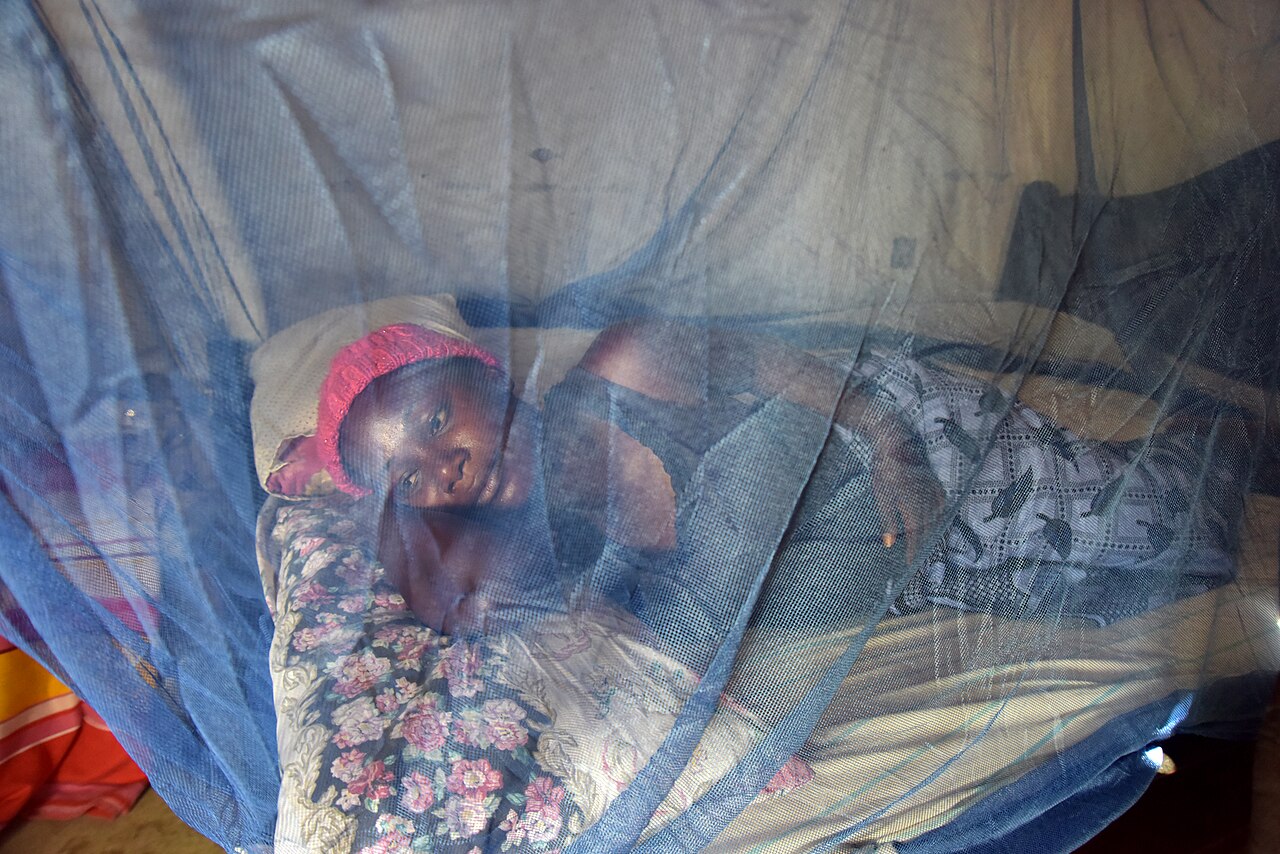
Today's health roundup travels from western Kenya, where a national drive to hand out new mosquito nets has begun, to Guyana in South America, where WHO has confirmed that the spread of HIV and syphilis from mothers to babies has been brought down to elimination levels, and on to Dublin, where European health leaders set out how apps and online therapy can widen access to mental health care without leaving anyone behind.
Kenya: nearly 10.8 million mosquito nets for 18 counties
Kenya launched its 2026-2027 national campaign on 19 November to hand out almost 10.8 million insecticide-treated mosquito nets across 18 malaria-endemic counties and 99 sub-counties, the WHO Regional Office for Africa reported. The official launch took place at Bayula Stadium in Sirisia Sub-County, Bungoma County. In areas where mosquitoes no longer die from the usual insecticides, families will receive newer nets treated with two insecticides that work in different ways. Health teams will use a digital platform, Digimal KE, to verify households and track the nets in real time.
The campaign comes at the right moment. A 2025-26 national survey found that only 41% of households had at least one treated net, down from 54% in 2022, and just 42% of children under five and 39% of pregnant women had slept under one the night before. "A mosquito net protects a family only when it hangs over the bed every night," said Dr Neema Rusibamayila Kimambo, WHO Representative in Kenya.
Kenya is building on real progress: confirmed malaria cases fell by 34%, from 5.54 million in 2023 to 3.64 million in the latest reported year. But the wider fight is far from over. WHO estimates the world recorded 282 million malaria cases and 610,000 deaths in 2024, with the African Region carrying 94% of the cases and 95% of the deaths.
Guyana: a healthier start for newborns
The World Health Organization has validated Guyana for eliminating mother-to-child transmission of HIV and syphilis as public health problems, the Caribbean Media Corporation reported on 19 November in the Jamaica Observer. In a letter dated 16 November, WHO Director-General Dr Tedros Adhanom Ghebreyesus told Health Minister Dr Frank Anthony that Guyana had met the international requirements for the period 2022-2025. "I congratulate Guyana on this landmark achievement," Dr Tedros wrote.
The Ministry of Health credited years of investment in care for mothers and babies, including wider HIV and syphilis screening, better access to treatment, upgraded laboratories and stronger disease tracking. A regional team coordinated by the Pan American Health Organization reviewed the program in June, including a visit to the country, before WHO's global advisory committee considered it on 5 November. Dr Anthony credited doctors, nurses, midwives, laboratory staff and community health workers for the result.
The ministry was careful to say this is not the end of either infection: it means transmission from mother to baby has been brought down to elimination levels. Guyana will be reviewed again in 2030 and is now working toward "triple elimination," adding hepatitis B.
Europe: a roadmap that keeps people at the heart of mental health care
WHO/Europe and Ireland launched a Digital mental health roadmap for the WHO European Region (2027–2035) in Dublin this week, giving governments a framework for using online therapy, smartphone apps and artificial intelligence safely. More than 143 million people in the Region, about 1 in 6, live with a mental health condition. In 2015 just 7% of countries surveyed had an established telepsychiatry program; by 2023 that had reached 42%.
The roadmap points to what already works. Denmark's national internet psychiatry service offers free, text-based therapy for mild to moderate depression and anxiety without a doctor's referral, and 93% of people who complete treatment see their symptoms reduced. Scotland's digital therapy services received over 76,000 referrals last year, and Latvia is piloting online cognitive behavioral therapy for areas with few specialists.
The warning is just as clear: older people, refugees, people in rural areas or poverty, and people with severe mental health conditions are more likely to lack digital skills. "If digital becomes the only door into mental health care, the people with the greatest need could be the first to be shut out," said Dr Natasha Azzopardi-Muscat of WHO/Europe.
Why it matters
All three stories are about the same thing: proven tools only save lives when they reach people. A net works only when it hangs over the bed, a test works only when every pregnant woman can get one, and a therapy app helps only if it opens a door rather than closing one. Kenya, Guyana and the countries behind Europe's roadmap are doing the patient work of getting care to the people who need it most.
Learn more
- WHO Africa: Kenya launches campaign to distribute almost 10.8 million mosquito nets to families in 18 high malaria burden counties
- Jamaica Observer: Guyana validated for eliminating mother-to-child HIV, syphilis transmission
- WHO/Europe: People still need people: apps and AI won't replace the human touch in mental health care
Sources: WHO Regional Office for Africa, "Kenya launches campaign to distribute almost 10.8 million mosquito nets to families in 18 high malaria burden counties," 19 November 2026; Jamaica Observer (CMC), "Guyana validated for eliminating mother-to-child HIV, syphilis transmission," 19 November 2026; WHO Regional Office for Europe, "People still need people: apps and AI won't replace the human touch in mental health care," 18 November 2026.
How you can help
These organizations work on the issues in today's stories:
- Amref Health Africa is an African-led health nonprofit, founded in Kenya, that works with communities and health workers to prevent and treat diseases such as malaria.
- Elizabeth Glaser Pediatric AIDS Foundation works to end HIV and AIDS in children, including by preventing transmission from mothers to their babies.
- Mental Health Ireland is a national mental health organization that educates, empowers and connects communities across Ireland.
💬 0 replies
Inloggen to reply.