
Liberia Reviews Its Hospitals to Save Mothers and Newborns, and Rural Clinics Ask for Ultrasound
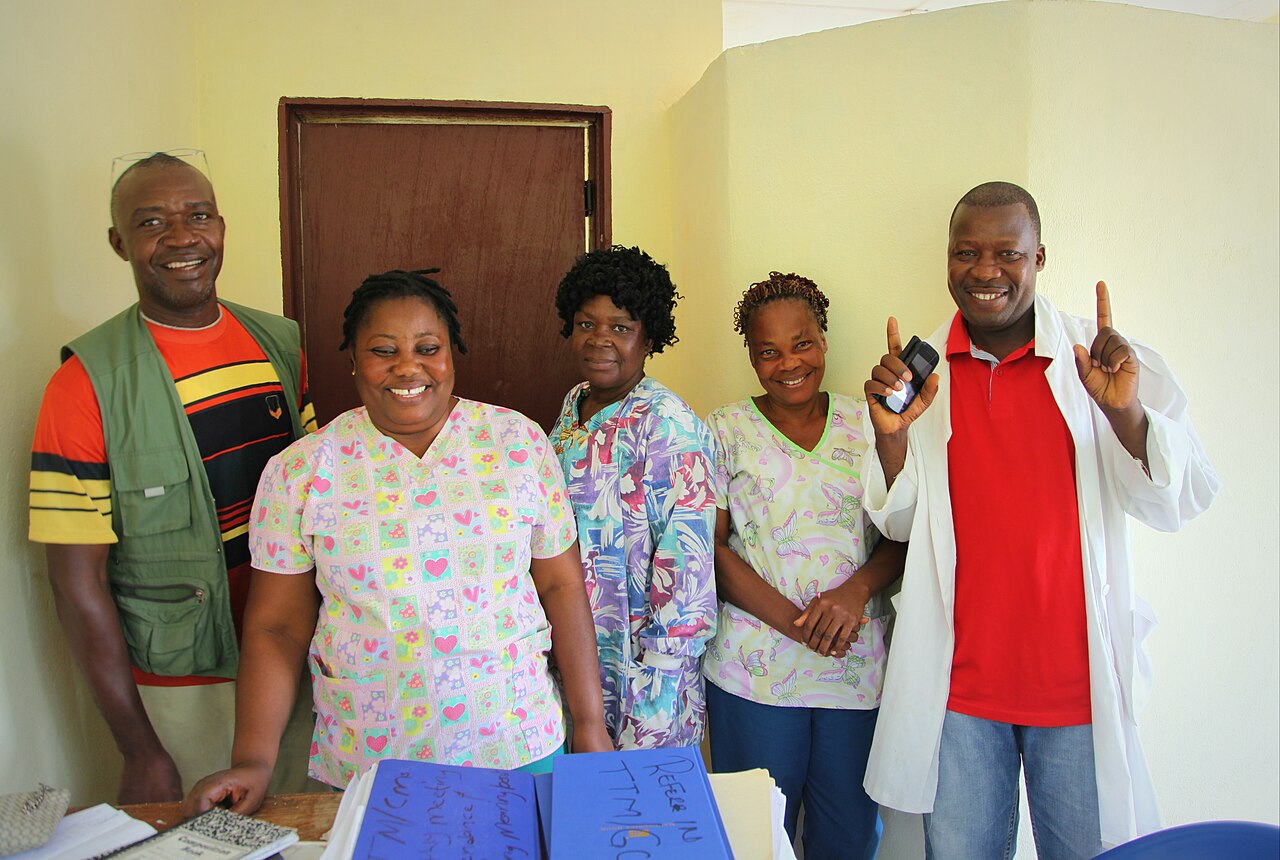
Health and wellness. In rural Liberia, some dangerous pregnancy problems, like a baby lying in the wrong position, are only discovered when a mother arrives at the clinic to give birth. Partners In Health works alongside Liberia's health ministry to make care safer, and you can stand with them at p i h dot org. This week, Liberia's health ministry held its first national review of its hospitals and health centers, focused on saving mothers and newborns. The health minister said doctors and pharmacists at major hospitals may also support the smaller clinics around them. The leader of one rural county asked for ultrasound machines in those clinics, so problems can be caught early, and the minister welcomed the idea. "We are very excited," he said. "You can see the smiles on our faces."
The meeting is the Ministry of Health's First National Government Hospitals and Health Centers Review Conference, held from November 24 to 26, 2026, in Buchanan, Grand Bassa County, under the theme "Strengthening Health Facilities to Reduce Maternal and Newborn Mortality, Improve Quality of Care, and Strengthen Accountability in Liberia." Government hospitals and comprehensive health centers are reviewing their performance for 2025 to 2026, and each facility is to draw up a 90-day improvement plan with measurable indicators, timelines and clearly assigned responsibilities, the ministry said.
Health Minister Dr. Louise M. Kpoto said the ministry is considering an arrangement in which doctors and pharmacists already assigned to hospitals and health centers take on extra duties supervising surrounding facilities: coordinating referrals, reviewing maternal and newborn deaths, finding gaps in services and strengthening how medicines are managed. She said it would not move staff from their posts or create new positions, and that it draws on experience in Uganda, Zambia, Ghana and Tanzania. The county leader quoted above is Gbarpolu County Superintendent Sam K. Zinnah, who spoke for the superintendents at the meeting. He said some complications, including abnormal fetal positioning, are only found when women arrive to deliver, and asked that ultrasound machines go to clinics outside the major hospitals. The minister replied that the ministry has already begun training health workers to use ultrasound equipment and will coordinate the deployment of machines with that training.
That work has been building all year. In May, the ministry said about 43 ultrasound machines had been deployed beyond the national referral hospitals to county hospitals, health centers and selected clinics, under its SONAR program, which brings portable ultrasound to hard-to-reach facilities. In June it launched the country's first Ultrasound Reference Guide Manual to standardize obstetric ultrasound. At that launch, the World Health Organization's representative to Liberia, Dr. Olushayo O. Olu, said: "All pregnant women should have access to ultrasound services. These services should be easily accessible to everyone, including those living in rural areas of the country."
The need is great. Last Mile Health puts Liberia's maternal mortality at 742 deaths per 100,000 live births, one of the highest rates in the world, and says nearly 30% of Liberians live more than five kilometers from the nearest health facility. When the government launched a national action plan to cut maternal and newborn deaths in March, officials said nearly 80 percent of women now give birth in health facilities, yet a significant number of deaths still happen in those facilities, pointing to the quality and readiness of care, the Liberian Observer reported. The review conference is meant to end with formal resolutions and a national roadmap for putting its commitments into practice.
Who is working on this
- Partners In Health: works with Liberia's government in Maryland County, where in late 2025 it handed three new health facilities over to the Ministry of Health, including a residence for intern doctors at J.J. Dossen Hospital.
- Last Mile Health: the Ministry of Health's longest-serving community health partner, which helped launch and scale Liberia's National Community Health Program, now in all 15 counties.
Learn more
- Liberia Ministry of Health: MOH Holds First National Hospitals and Health Centers Review Conference …Minister Kpoto Calls for Stronger Facility Oversight
- Liberia Ministry of Health: MOH Launches Ultrasound Reference Guide Manual to Improve Maternal and Newborn Healthcare
- Liberia Ministry of Health: MOH Advances Maternal Health Agenda With SONAR Ultrasound Validation Workshop
- Liberian Observer (via allAfrica): Govt Launches Nat'l Action Plan to Slash Maternal, Newborn Deaths
- FrontPageAfrica: PIH Hands Over New Health Facilities to the Government of Liberia in Maryland County
- Last Mile Health: Liberia
This story was featured in today's Humanitarian Explorer podcast. Sources: Liberia Ministry of Health, "MOH Holds First National Hospitals and Health Centers Review Conference …Minister Kpoto Calls for Stronger Facility Oversight," 25 November 2026; Liberia Ministry of Health, "MOH Launches Ultrasound Reference Guide Manual to Improve Maternal and Newborn Healthcare," 19 June 2026; Liberia Ministry of Health, "MOH Advances Maternal Health Agenda With SONAR Ultrasound Validation Workshop," 7 May 2026; Liberian Observer, "Govt Launches Nat'l Action Plan to Slash Maternal, Newborn Deaths," 27 March 2026; The New Republic Liberia, "Pih Hands Over Modern Health Facilities to Govt in Maryland," 18 November 2025.
How you can help
You can help make pregnancy and birth safer for mothers and newborns in rural Liberia.
- Partners In Health: supports Liberia's health ministry with staff, supplies and facilities at J.J. Dossen Hospital and other sites in Maryland County.
- Last Mile Health: backs the community health workers who bring care to Liberians living far from the nearest clinic.
💬 0 replies
Inloggen to reply.