
Niger Trades Straw for Solar Classrooms, Africa Rallies for Girls and Rohingya Teachers Step Up
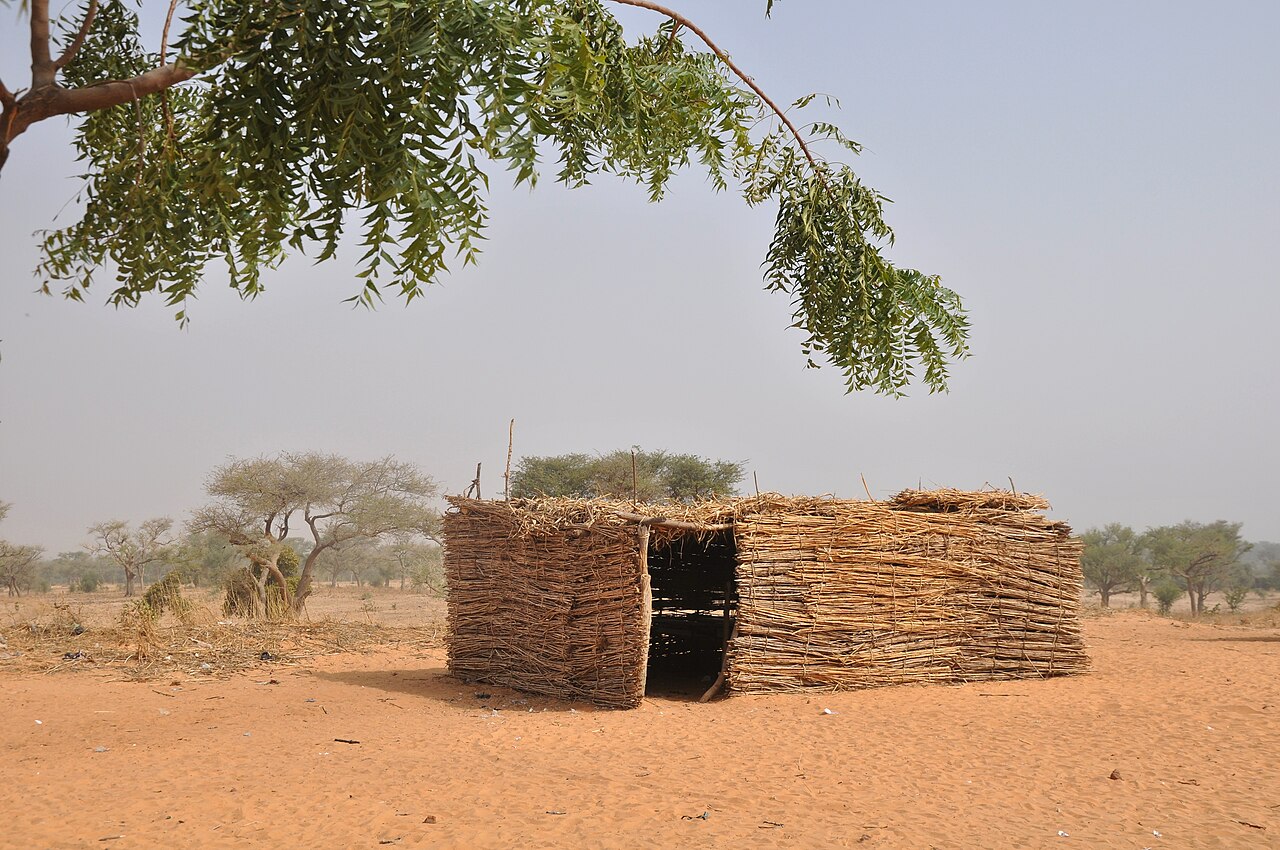
Today's education roundup goes from a village school in southern Niger, to a meeting in Nairobi where African leaders talked about keeping girls in school, to the Rohingya refugee camps in Bangladesh, where teachers are running their own schools. In each place, families are fighting hard for children's learning, and in each place there is still a lot of work to do.
Niger: straw classrooms give way to solar-powered schools
Nafiou Hachimou is 14 and in his last year of primary school in Dan Gamdji, a village in Niger's Maradi region about 600 kilometers from the capital, Niamey. "In the past, we were sitting in straw classrooms on the floor with no electricity. From March to June, it was very hot, and it was difficult to learn," he told the World Bank in a story published on November 18. His school now has permanent classrooms with solar power, ventilation, water, internet and desks.
The classrooms are part of Niger's Learning Improvement for Results in Education (LIRE) project, a $370 million program (including additional financing) supported by the World Bank, approved in April 2020 and running through April 2029. It also pays for teacher training and coaching, textbooks in French and local languages, and extra help for girls and out-of-school children. At nearby Medersa Tibiri 2, primary enrollment rose from 149 to 234 pupils in one year, the number of girls grew from 75 to 120, and preschool enrollment went from 18 to 85. Since February 2026, building the classrooms has also created 6,165 short-term jobs. "Before the construction, many children had dropped out. Now they are coming back," said Nafiou's father, Hachimou Idi, a mason who never went to school himself.
These are early results from a few schools. The World Bank notes that straw classrooms, extreme heat and a lack of fences have long kept children, and especially girls, out of school, and reaching every community will take years of steady work.
Kenya: African leaders meet in Nairobi to keep girls in school
On November 17 and 18, the Forum for African Women Educationalists (FAWE) held its 4th International Conference on Girls' Education in Africa in Nairobi, under the theme "Investing in Her Future," TV47 reported. Kenya's Education Cabinet Secretary Julius Ogamba unveiled a Gender Framework for Africa's Continental Education Strategy and said: "Kenya affirms that girls' education is not a social sector expenditure. It is a strategic human capital investment."
Ogamba described Kenya's own steps, including scholarships, mentorship and school re-entry guidelines for girls whose schooling was interrupted. "Kenya has institutionalised school re-entry guidelines reflecting our policy position that interruption must not constitute exclusion," he said, according to Kenyans.co.ke. Ghana's Vice President, Naana Jane Opoku-Agyemang, urged governments to direct national budgets at the real barriers learners face, and Albert Nsengiyumva of the Association for the Development of Education in Africa called on countries to spend at least 20 percent of their national budgets on education, The Standard reported.
A joint FAWE and UNESCO study noted real progress, including gender parity in primary school reached in 2021. But keeping girls in secondary school is still hard: poverty, teenage pregnancy, child marriage, conflict, climate shocks and the digital divide push many out. The conference was expected to end with a joint call to action with measurable targets for 2030.
Bangladesh: Rohingya teachers keep refugee children learning
In the refugee camps of Cox's Bazar, education for Rohingya children is under strain, Human Rights Watch reported on November 16. Humanitarian programs have enrolled 312,000 of about 500,000 school-age Rohingya children, and about 90,000 more children need schooling this year. Aid agencies cut their 2026 education request to $53 million, but donors had pledged only $36 million by mid-October, so learning centers may close again.
Refugees are not waiting. Rohingya teachers set up an examination board in 2025 that now includes more than 125 community-led schools with up to 30,000 students. In October, Bangladesh for the first time let a few dozen Rohingya primary students take an internationally recognized primary exam, with support from UNHCR, and approved a Rohingya diaspora group's plan for a primary school for 240 students. The group, the Rohingya Centre UK, says its first 32 Rohingya teachers have been trained and its first school is opening in Camp 18.
Human Rights Watch is urging donors to fully fund education in the camps and Bangladesh to give community-led schools legal status. "Rohingya children are eager to learn," one Rohingya teacher said. "Education needs to be treated as a right, not a temporary humanitarian project."
Why it matters
From a solar-powered classroom in Maradi to a refugee teacher's shelter in Cox's Bazar, today's stories show the same thing: when children have a safe place to learn and adults who believe in them, they come back to school. Keeping that promise depends on steady funding and on listening to the families and teachers closest to the children.
Learn more
- World Bank: From Straw to Permanent Classrooms: Transforming Learning Environments in Niger
- TV47: African leaders call for sustainable funding to keep girls in school
- The Standard: Stakeholders call for increased funding and accountability in girls' education
- Human Rights Watch: Bangladesh: Education Crisis for Rohingya Refugee Children
- Rohingya Centre UK: Rohingya communities take the lead on education in Cox's Bazar
Sources: World Bank, "From Straw to Permanent Classrooms: Transforming Learning Environments in Niger," 18 November 2026; TV47, "African leaders call for sustainable funding to keep girls in school," 18 November 2026; The Standard, "Stakeholders call for increased funding and accountability in girls' education," 17 November 2026; Kenyans.co.ke, "CS Ogamba Reveals Govt Plan to Boost Female Uptake in STEM Subjects," 17 November 2026; Human Rights Watch, "Bangladesh: Education Crisis for Rohingya Refugee Children," 16 November 2026; Rohingya Centre UK, "Rohingya communities take the lead on education in Cox's Bazar as new programme receives government approval," 18 October 2026.
How you can help
These groups work on the issues in today's stories:
- Plan International works in Niger, including the Maradi region, to help children, especially girls, get into school and stay there.
- Forum for African Women Educationalists (FAWE) is the Nairobi-based network that hosted this week's conference and supports girls' education across Africa.
- BRAC runs learning centers for Rohingya refugee children in the camps of Cox's Bazar, Bangladesh.
💬 0 replies
Inloggen to reply.