
Senegal Backs 31,000 Farm Households, West Africa Pushes for Better Fortified Food and More
Today's food and nutrition roundup travels from the farm fields of Senegal to a regional meeting of nutrition leaders in Togo, then on to clinics in southern Afghanistan and medical schools in Pakistan's Punjab province. Each story shows people working on hunger at a different point: growing food, making it more nourishing, treating children who did not get enough, and training the doctors who will care for them.
Senegal: water, storage and markets for 31,000 farm households
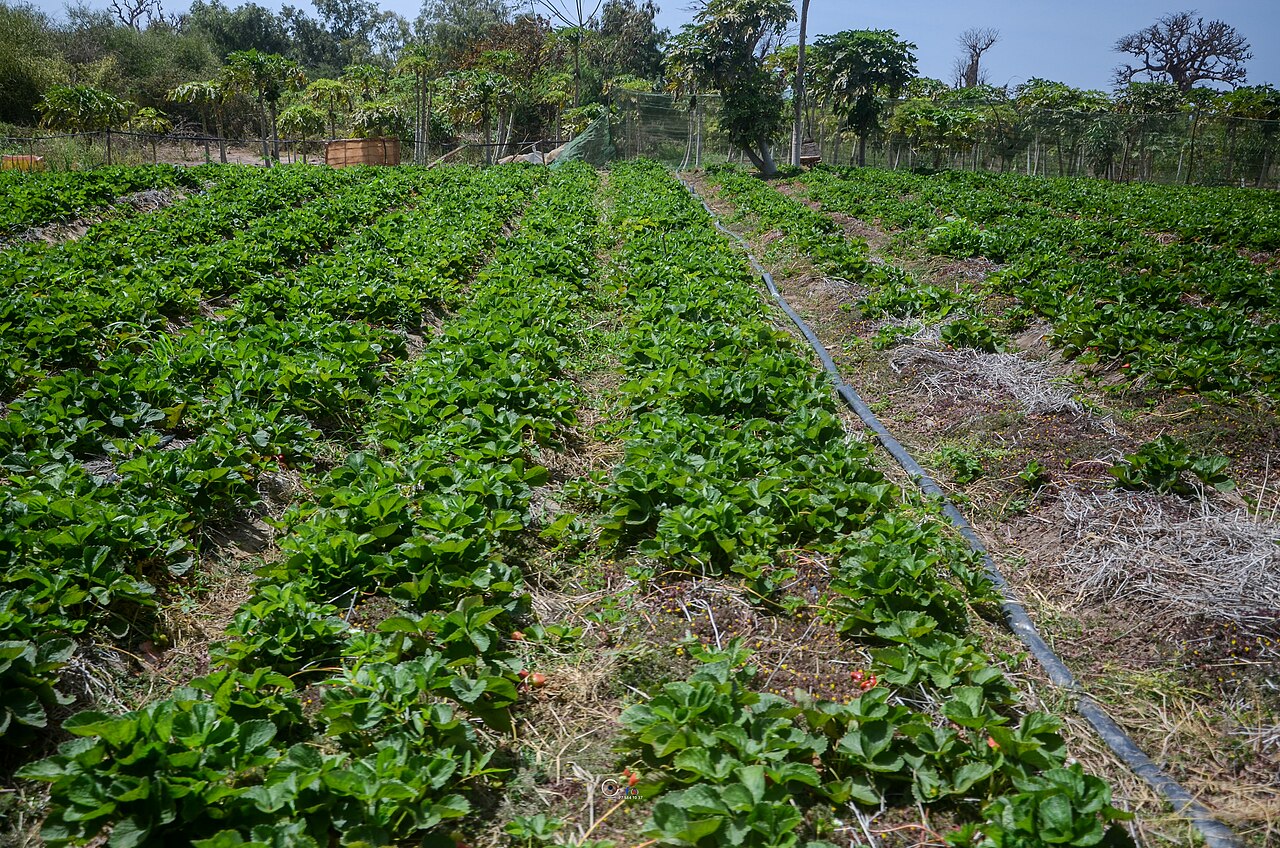
Senegal's Post-COVID Food and Nutrition Security Enhancement Project, known as PRESAN-PC, is aiming to reach 31,000 households and more than 300,000 people, according to an African Development Bank update reported on 25 November by Devdiscourse. The US$26.2 million project, officially launched in May 2026, builds on earlier work in the Louga, Matam and Kaffrine regions and now also covers Nioro department in Kaolack and Koumpentoum department in Tambacounda. Smallholder farmers, women, young people and people with disabilities come first.
The idea grew out of a hard lesson from the pandemic, when movement restrictions made farm inputs harder to get and market closures cost farmers income. So the project links water at the start of the season, through solar-powered boreholes and supplies for crops, livestock and market gardens, with storage, processing equipment and help reaching buyers at harvest time. Cooperatives, women's groups, savings groups and young entrepreneurs are meant to keep the investments running, and farmers will get digital tools for reading soil and weather conditions.
The Global Agriculture and Food Security Program is providing a US$20 million grant under the bank's supervision, with US$4.57 million from Morocco's OCP Group, US$1.29 million from the Senegalese government and about US$370,000 from the households themselves. The real test will be whether the boreholes, stores and equipment are still in good use after the project ends.
West Africa: nutrition leaders push for care close to home and better fortified food
National nutrition and food fortification program managers from across West Africa have agreed on a set of recommendations to bring nutrition care into local health centers and tighten quality controls on fortified foods, Ghana's GBC reported on 24 November. They met at a four-day workshop run by the West African Health Organisation (WAHO), the health agency of ECOWAS, in Lomé, Togo, from 18 to 21 November.
The recommendations call for stronger checks on fortified foods sold in markets, wider use of the regional ECOSAN standards, tax exemptions on the vitamin and mineral mixes used to fortify food, and national food fortification alliances that work with food producers. Participants also proposed linking a regional nutrition data platform to countries' DHIS2 health information systems so the most vulnerable people can be found faster. Speaking for Senegal as chair of the ECOWAS Authority, Dr Fatu Ndiaye urged member states to put more of their own money into high-impact nutrition work.
The scale of the need is large: a regional analysis presented at the workshop found that more than 54.8 million people across the Sahel, West Africa and Cameroon were at risk of acute food and nutrition insecurity between June and August 2026. The recommendations are expected to shape a regional nutrition and food fortification strategy.
Afghanistan: more children treated for malnutrition as clinics close
Doctors Without Borders (MSF) says 8,487 malnourished children were admitted to the health facilities it supports in Afghanistan in the first eight months of 2026, a 28 percent rise on the 6,618 admitted in the same months of 2025, Pajhwok Afghan News reported on 25 November, citing a post by the organization. Admissions rose in all three provinces: 2,993 children in Herat, 3,972 in Helmand and 1,522 in Kandahar.
Every one of those admissions is a child who reached care. But MSF warned that the numbers stayed high even after the peak malnutrition season had passed. It said 295 health facilities across the country suspended work or closed in the first eight months of the year because of aid cuts, affecting 2.17 million people, and that only 19 percent of the money needed for humanitarian health assistance had been secured by June.
Looking ahead, MSF projected that four million children and 1.27 million pregnant and breastfeeding women in Afghanistan will need treatment for acute malnutrition in 2027. Keeping clinics open and treatment supplies flowing will decide how many of them get it.
Pakistan: training Punjab's future doctors to fight malnutrition
The University of Health Sciences in Lahore and UNICEF Pakistan are starting to put nutrition-focused reforms into the medical curriculum in six Punjab cities, Lahore, Sialkot, Faisalabad, Rawalpindi, Multan and Bahawalpur, 24 News HD and the Pakistan Observer reported on 25 November. The goal is to help future doctors spot, prevent and manage malnutrition, especially among mothers and children.
Since the project began in June 2025, it has trained 76 master trainers from 23 medical colleges, 10 public and 13 private, in areas including community-based treatment of acute malnutrition, infant and young child feeding, early childhood development and micronutrient supplements. Next comes a three-day "Nutrition in Emergencies" workshop from 1 to 3 December, workshops in each of the six cities later in December, and a provincial seminar for about 200 people in early January 2027.
UNICEF nutrition specialist Najma Ayub stressed that a network of master trainers and continuing faculty development are essential for the reforms to last. The reforms aim to help new doctors recognize and treat malnutrition sooner.
Why it matters
Hunger is fought on many fronts at once. Senegal is helping farmers grow and sell more, West African countries are working to make everyday staples more nourishing, MSF teams are saving children who are already sick, and Pakistan is preparing its next doctors to catch malnutrition early. None of it works without steady funding, as Afghanistan's closed clinics show.
Learn more
- Devdiscourse: Senegal Targets 31,000 Households With Support for Crops, Livestock and Rural Trade
- African Development Bank: Sénégal : le Programme mondial pour l'agriculture et la sécurité alimentaire promeut la souveraineté alimentaire et vise 31 000 ménages
- GBC Ghana: West African Nutrition Leaders call for improved access to nutrition care and fortified foods
- Pajhwok Afghan News: MSF reports 28pc rise in child malnutrition cases in Afghanistan
- 24 News HD: UHS, UNICEF to implement nutrition curriculum reforms in six Punjab cities
- Pakistan Observer: UNICEF to roll out nutrition curriculum reforms in six Punjab cities
Sources: Devdiscourse, "Senegal Targets 31,000 Households With Support for Crops, Livestock and Rural Trade," 25 November 2026; GBC Ghana, "West African Nutrition Leaders call for improved access to nutrition care and fortified foods," 24 November 2026; Pajhwok Afghan News, "MSF reports 28pc rise in child malnutrition cases in Afghanistan," 25 November 2026; 24 News HD, "UHS, UNICEF to implement nutrition curriculum reforms in six Punjab cities," 25 November 2026; Pakistan Observer, "UNICEF to roll out nutrition curriculum reforms in six Punjab cities," 25 November 2026.
How you can help
These organizations work on the issues behind today's stories:
- Heifer International works with smallholder farming families in Senegal and other countries to build income from crops and livestock.
- Global Alliance for Improved Nutrition (GAIN) works with governments and food businesses to make nutritious food, including fortified staples, more available in West Africa and beyond.
- Doctors Without Borders supports treatment centers for malnourished children in Afghanistan, including in Herat, Helmand and Kandahar.
- Nutrition International works in Pakistan to improve nutrition for mothers, babies and young children.
💬 0 replies
Inloggen to reply.