
South Africa Replants Rescued Baobabs, 25 Countries Link Wildlife to Climate Action and More
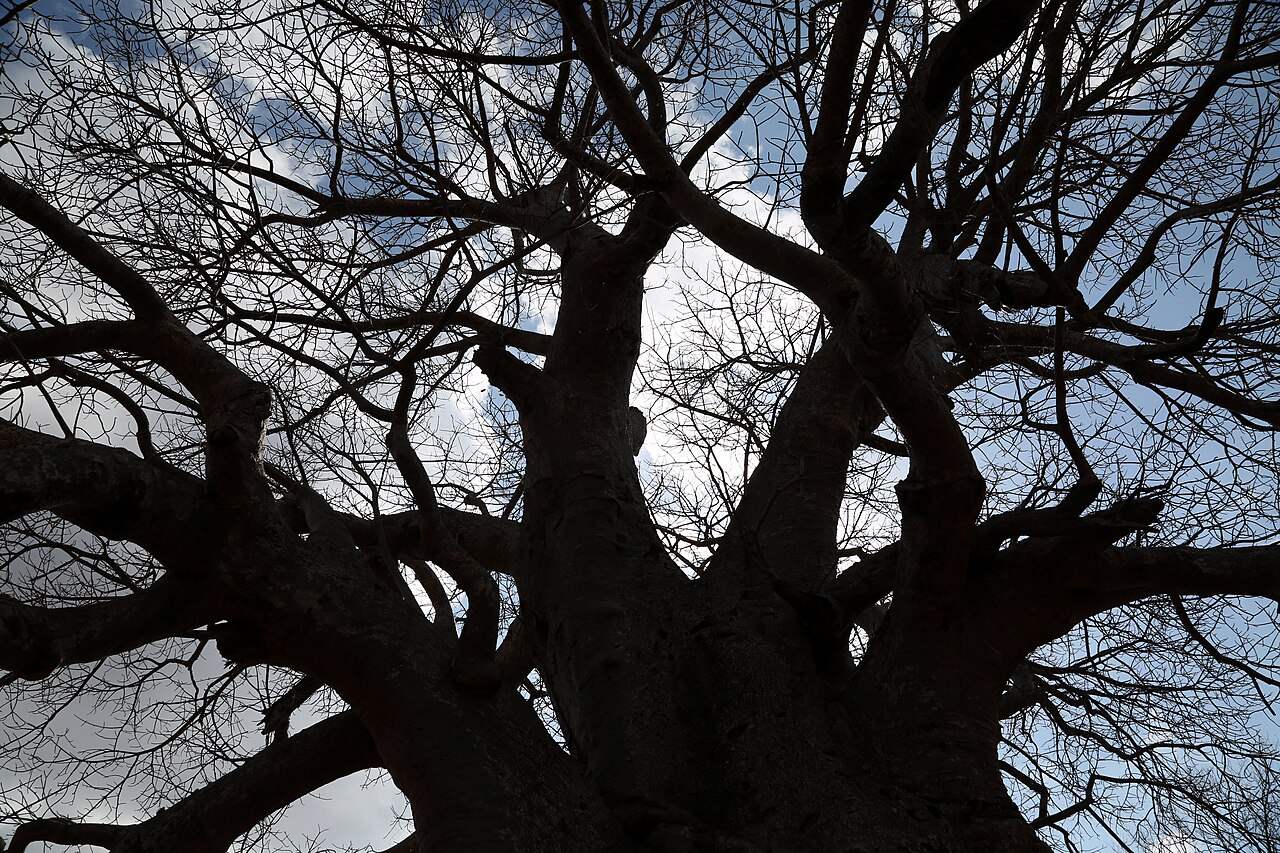
Today's environment roundup moves from a reserve in north-eastern South Africa, where five old baobab trees are going back into the ground, to the UN climate talks in Antalya, Türkiye, where governments made new promises on wildlife and on extreme heat, and on to Ontario, Canada, where an old ski hill is about to become forest again.
South Africa: rescued baobabs head back into the ground
Five baobab trees that were dug up and nearly shipped abroad have reached a new home. The Guardian reported on 19 November that the trees arrived on Wednesday at a reserve in Timbavati, in north-eastern South Africa, where they will be replanted and held up by cables while they recover. South Africa's forestry, fisheries and environment department intercepted the trees in July, saying they had been moved without the necessary permissions. The department confirmed they were bound for Georgia but did not name the buyer.
The trees are thought to be 200 to 300 years old and weigh between 19 and 29 tonnes each. Daily Maverick reported that they lay on their sides at a Durban warehouse for more than three months before being loaded onto special trucks on 11 November for a journey of more than 900 km. Ecologist Sarah Venter, founder of the Baobab Foundation, helped raise the money to move them and has led the replanting effort. "Baobabs easily reach 1,000 years old, so they've got a few hundred years ahead of them if they survive," she told the Guardian.
Survival is not guaranteed: the trees spent months out of the soil, and electric fences will be needed to keep elephants away while they settle. A criminal case has been opened against the owner of the landscaping company allegedly behind the removal.
Global: 25 countries say protecting wildlife is climate action
At the COP31 climate talks, 25 countries from Africa, Europe, Latin America, the Caribbean and the Pacific endorsed a Wildlife for Climate Declaration, Down To Earth reported on 18 November. Supporters include Brazil, Belize, the Democratic Republic of the Congo, Fiji, Guatemala, Kenya and Zimbabwe. It is the first time a group of governments has jointly promoted the role of wild animals in climate action at a UN climate conference.
The idea is that animals help nature store carbon and cope with change, through grazing, spreading seeds and cycling nutrients. Sea otters, for example, eat the sea urchins that graze on kelp, helping underwater kelp forests survive. Endorsing countries say they will consider wildlife protection and recovery in their national climate plans, adaptation plans and biodiversity strategies, and work to reduce overexploitation and conflict between people and animals. "When we lose wildlife, it is not only a loss of species; it is a loss of the living processes that keep natural systems working as they should," said Zimbabwe's environment minister, Evelyn Ndlovu.
The declaration is not legally binding. "The real test now is whether this recognition translates into national climate plans, meaningful investment, and action on the ground," said Matt Collis of the International Fund for Animal Welfare.
Global: a plan to protect people from extreme heat
On 17 November, countries at COP31 backed a joint response to extreme heat, welcoming the Antalya Communiqué and a Global Heat Resilience and Sustainable Cooling Roadmap, the UN Environment Programme (UNEP) announced. Singapore, Brazil, Japan and the United Kingdom committed to tackling both extreme heat and sustainable cooling through the roadmap, and countries and partners announced more than US$20 million in new support. Further funding was announced for heat resilience in the Horn of Africa.
"Nearly two billion people, globally, still lack adequate cooling," said UNEP Executive Director Inger Andersen. She called for less heat exposure "through better planning, shade, trees and building design," alongside affordable, efficient cooling. The roadmap is voluntary and led by countries: it is meant to help each one find the people and places most exposed to heat and the measures that would protect them.
There is a long way to go. UNEP warns that leaning only on air conditioning could drive emissions to 7.2 billion tonnes of CO2-equivalent, and UN News reported that, as the summit neared its close, negotiators were still divided over finance and fossil fuels.
Canada: an old ski hill will become a forest again
The Bruce Trail Conservancy has raised the $7.5 million (Canadian) it needed to turn the former Talisman Mountain Resort near Kimberley, Ontario, into the Talisman Forest Nature Reserve. CK News Today reported on 19 November that the campaign, launched in April, drew more than 1,100 donations. According to OrilliaMatters, it also received a $1.5 million matching contribution from Environment and Climate Change Canada and $1 million from Ontario's Species Conservation Program.
The money will protect 134 acres, remove the abandoned resort buildings and lifts, restore the land and secure 885 metres of the Bruce Trail along the Niagara Escarpment. The conservancy says replanting the old ski runs will close the only break in the forest canopy along a 10 km stretch of the Beaver Valley. "We are overwhelmed by the response from our community," said Marsha Russell, the conservancy's vice-president of fund development.
The hard work is still ahead. Ecologists are finishing a three-season survey of the land to guide restoration, which could include better habitat for birds such as the Eastern Meadowlark and Bobolink, and volunteers from the Beaver Valley Bruce Trail Club will help with planting.
Why it matters
Today's stories show nature being protected at very different scales: five trees saved by a determined ecologist, one hillside returned to forest by more than a thousand donors, and new promises from governments to treat wildlife and heat as part of the climate fight. Promises only count when they are kept, but each of these shows people choosing to look after the living world, and each other.
Learn more
- The Guardian: Race to replant five South African baobabs after export blocked
- Daily Maverick: Stranded giants on the move — rescued baobabs hit 900km road to sanctuary
- Down To Earth: COP31: 25 countries back declaration to make wildlife protection part of climate action
- UNEP: At COP31, governments back action on extreme heat and sustainable cooling
- CK News Today: Bruce Trail Conservancy reaches $7.5M goal for Talisman restoration
- OrilliaMatters: 'Overwhelming': Conservancy has raised $7.5M for Talisman rewilding
Sources: The Guardian, "Race to replant five South African baobabs after export blocked," 19 November 2026; Daily Maverick, "Stranded giants on the move — rescued baobabs hit 900km road to sanctuary," 11 November 2026; Down To Earth, "COP31: 25 countries back declaration to make wildlife protection part of climate action," 18 November 2026; UNEP, "At COP31, governments back action on extreme heat and sustainable cooling," 17 November 2026; UN News, Climate and Environment, 19 November 2026; CK News Today, "Bruce Trail Conservancy reaches $7.5M goal for Talisman restoration," 19 November 2026; OrilliaMatters, "'Overwhelming': Conservancy has raised $7.5M for Talisman rewilding," 17 November 2026.
How you can help
These organizations work on the issues in today's stories:
- Baobab Foundation works to conserve baobab trees and support the communities who live among them in southern Africa.
- International Fund for Animal Welfare protects wild animals and their habitats and works with communities on living alongside wildlife.
- Mahila Housing Trust helps women in India's informal settlements make their homes and neighborhoods more resilient to climate risks, including extreme heat.
- Bruce Trail Conservancy protects and restores land along Ontario's Niagara Escarpment and keeps the Bruce Trail open to everyone.
💬 0 replies
Inloggen to reply.