
More Than Half of Children Surveyed in Sudan's Jebel Marra Are Stunted as Drought Deepens Hunger
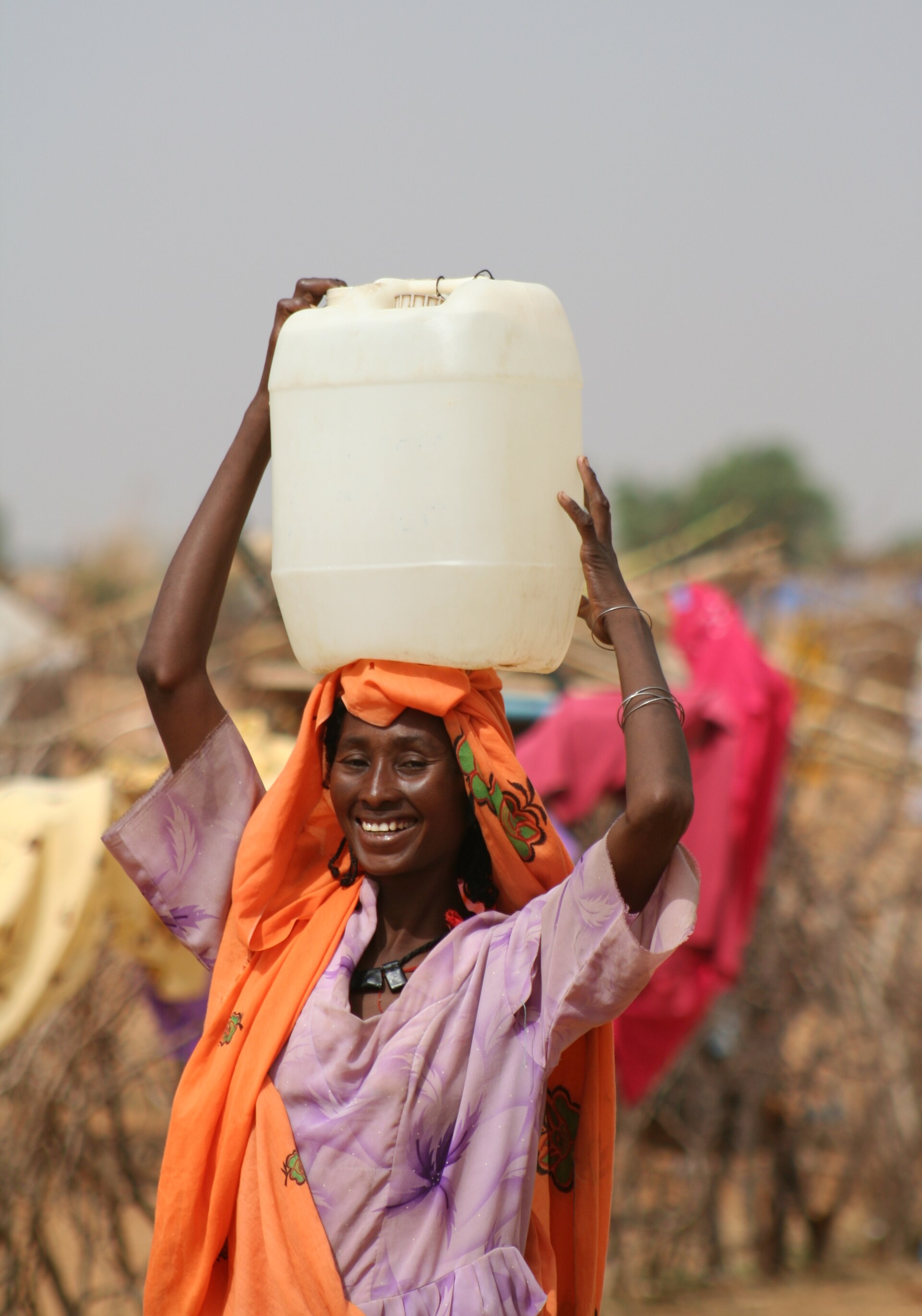
Jebel Marra is a mountain region in the heart of Darfur, a place that is usually fertile and known for growing food. Today, new data shows that many of its youngest children are not getting enough to eat to grow.
In a survey released on October 28, 2026, Save the Children found that 57 percent of children assessed in Central Jebel Marra are chronically malnourished, or stunted, and 15 percent, nearly one in six, are acutely malnourished. The survey covered 581 households in Central Jebel Marra in Central Darfur, and the malnutrition figures refer to children aged 6 to 59 months.
Crisis upon crisis
Stunting means a child is too short for their age, a sign of undernutrition that has gone on for a long time or keeps coming back. Acute malnutrition, also called wasting, means a child weighs too little for their height because of recent or ongoing weight loss. Both can have lasting effects on a child's health and development.
Save the Children says the region is being hit at the same time by conflict, severe drought, disrupted livelihoods and a critically underfunded humanitarian response. A lack of rain has also left herders short of animal fodder. The survey found that 43 percent of children had been ill in the two weeks before they were assessed, and 69 percent of households surveyed relied on unsafe or untreated water.
The pressures reach far beyond one mountain range. Last week the Integrated Food Security Phase Classification (IPC), the global hunger monitor, warned that conflict, displacement and severe drought linked to El Niño are increasing the risk of famine in parts of Greater Darfur and Greater Kordofan. According to the World Food Programme, the war in Sudan has forced about 11 million people from their homes, the world's largest displacement crisis, and at least 19 million people, two in every five Sudanese, face acute food insecurity.
In #Sudan, El Niño is making rainfall increasingly unpredictable. WFP is helping farmers access the information they need to plan ahead, protect their crops and prepare for the season.
- World Food Programme (@WFP) October 25, 2026
Proof that help works
Behind the numbers are children who can recover when care reaches them. In Gedaref, in eastern Sudan, a seven month old boy Save the Children calls Hamza lost his mother shortly after he was born and is being raised by his grandmother, Khadija. When he became seriously ill, she brought him to a Save the Children supported stabilisation centre, where he was diagnosed with severe acute malnutrition and treated. He is now recovering.
"When we arrived at the stabilisation centre, the doctors and nurses immediately began treating him," Khadija said. "Today, he smiles, plays and looks like a different child."
Claire Henery, Save the Children's Country Director in Sudan, said children there are being hit by "crisis upon crisis," and called for "a large-scale integrated response and sustained access to provide food security, life-saving nutrition, healthcare and clean water while strengthening the systems children depend on."
Save the Children has worked in Sudan since 1983. It recently launched Every Child Nourished, a $300 million global humanitarian nutrition initiative for 2026 to 2028 that brings public and private funders together to treat and prevent child malnutrition and illness in the hardest places, including Sudan.
How you can help
Malnutrition is treatable, and the organizations below are reaching families in Sudan with food, nutrition care, health services and safe water:
- Save the Children in Sudan runs nutrition, health and child protection programs and supports stabilisation centres like the one that treated Hamza. You can give through Save the Children's donation page.
- The World Food Programme in Sudan delivers food assistance and helps farmers prepare for unpredictable rains. Support its work at wfp.org/support-us.
- UNICEF Sudan supports nutrition, water, sanitation, health and education for children across the country.
- Doctors Without Borders (MSF) provides medical care, including treatment for malnourished children, in Sudan.
To understand the condition these children face and how it is treated, see the World Health Organization's malnutrition fact sheet. Sharing what is happening in Jebel Marra also matters. Sudan's hunger crisis is critically underfunded, and attention can help bring the resources that let more children like Hamza smile again.
💬 0 replies
Inloggen to reply.