
Timor-Leste Pipes Water to Remote Hamlets, Tonga Puts Drinking Water First in a Drought and More
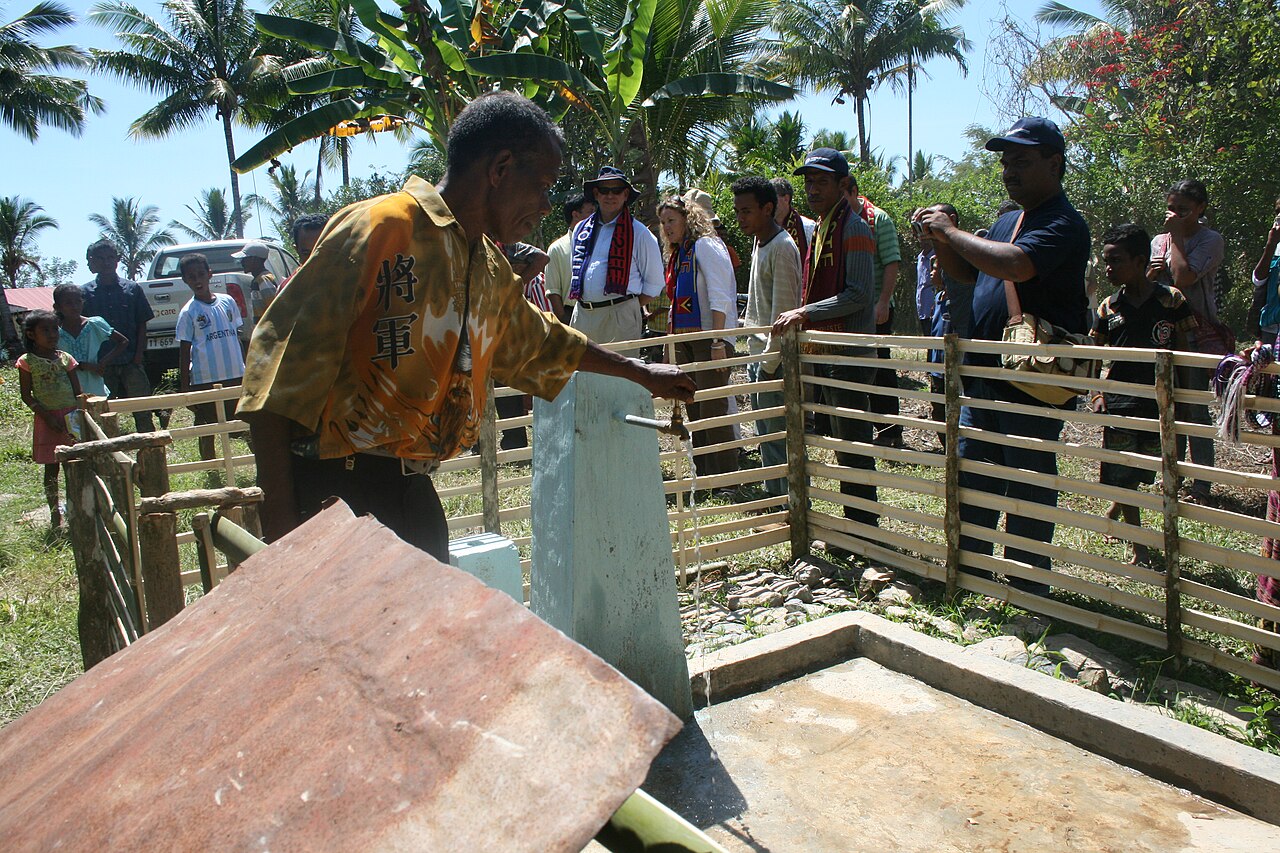
Today's clean water news comes from four very different places. In the South Pacific, Tonga has declared a nationwide emergency so that scarce water goes to drinking, cooking and hygiene first. In the mountains of Timor-Leste, four remote hamlets now have water flowing through a new network. In Ghana, a World Toilet Day campaign took the case for safe sanitation to markets and transport terminals. And in western Canada, a small community can finally drink from its taps without boiling the water first.
Tonga: a drought emergency that puts drinking water first
Tonga has declared a nationwide state of emergency as an El Niño-driven drought deepens, PACNEWS reported on 20 November. Acting Prime Minister Dr Viliami Uasike Latu issued the declaration on Thursday, 19 November. It covers the whole kingdom and stays in force until 17 December unless it is extended or revoked. Niuafo'ou, Niuatoputapu, Ha'apai, Tongatapu and 'Eua are already under drought declarations, Vava'u is under a drought warning, and forecasters see an 80 to 100 percent chance of very dry conditions through January.
The emergency rules set clear priorities. Households, businesses and government agencies must save water and use it first for drinking, cooking and essential hygiene. The national disaster office will coordinate emergency drinking-water deliveries. Schools, health facilities and places that serve older people and people with disabilities come first in line. Tonga's water resources team will watch groundwater levels, salinity and borehole performance.
Tonga is not alone. Neighboring Fiji has declared a nationwide disaster over the same drought, the Oman Observer reported. "We cannot control the climate, but we can act early, use our resources responsibly and stand together through its impacts," Fijian Prime Minister Sitiveni Rabuka said. Experts have warned that the current El Niño could become one of the most powerful on record, so protecting island water supplies may be a long effort.
Timor-Leste: water reaches four remote mountain hamlets
This week President José Ramos-Horta opened a clean water system serving more than 120 families in four isolated hamlets of Ossouala village, in the Vemasse area of Baucau municipality, Timor-Leste's national news agency Tatoli reported on 20 November. The hamlets are Bubuhomesa, Uatubela, Betulale and Uaihare-Bo'o.
The US$87,000 system runs through a 12-kilometer network that pumps water up to high ground with electric pumps and then lets gravity carry it down. It was a shared effort that brought together the Salesian missionaries of Colégio Dom Bosco Fatumaka, Italian donors who gave US$40,000, and the Baucau municipal authority, which added US$47,000 through the PNDS program. The president praised local residents for their volunteer labor.
A water system only lasts if its source does. Local leaders asked the community to take care of the facility by protecting the watershed, planting trees and ending brush fires. After schoolchildren handed him a handwritten petition, the president also pledged to rebuild the local school classrooms and donate two satellite internet kits.
Ghana: taking the case for toilets to markets and schools
An estimated 6.13 million Ghanaians, or 17.8 percent of the population, still practiced open defecation as of 2024, World Vision Ghana said at a World Toilet Day campaign in Accra, the Ghanaian Times reported on 20 November. The campaign was organized with the Ministry of Local Government and Religious Affairs.
Rather than staying in a conference hall, the campaign went to where people are: markets, transport terminals, schools, health facilities and pedestrian malls. Working with local assemblies, media groups and creative arts groups, organizers explained the health and environmental dangers of open defecation and encouraged households to build their own toilets using practical, affordable methods.
Attah Arhin, a water, sanitation and hygiene specialist at World Vision Ghana, said the figures show the need for more public education and steady investment in sanitation. The challenge is global: he noted that about 354 million people, around 4 percent of the world's population, still practice open defecation.
Canada: Pritchard ends years of boil-water notices
Residents of Pritchard, British Columbia, now have consistently safe, treated drinking water after a new water treatment plant was completed, the Thompson-Nicola Regional District announced on 20 November. The district lifted the community's boil water notice the same day, after testing showed the system meets Interior Health drinking water objectives.
The system has about 231 connections serving an estimated 520 people. It draws water from the South Thompson River, and cloudy water had led to regular advisories for many years. The CA$5.45 million plant was more than 90 percent paid for by grants, with CA$4.95 million coming through the Investing in Canada Infrastructure Program. It is the first treatment plant among the 11 small community water systems the district runs.
"Funding multi-million-dollar infrastructure upgrades for small water systems is extremely challenging, and we're grateful for the federal and provincial grant funding that enabled this project to proceed," said Scott Hildebrand, the district's chief administrative officer. His words point to a wider truth: small rural systems often struggle to pay for the treatment that larger cities take for granted.
Why it matters
Safe water depends on more than pipes. Today's stories show the other pieces: planning ahead so the most vulnerable get water first in a drought, communities protecting the watersheds that feed their taps, public education that changes daily habits, and funding that lets small places build what they could never afford alone. Each is a reminder that clean water is a shared responsibility, and that progress is possible wherever people work on it together.
Learn more
- PACNEWS via Islands Business: Tonga declares nationwide state of emergency as El Niño drought worsens
- Oman Observer: Pacific island nations declare El Nino drought crisis
- Tatoli: President Ramos-Horta inaugurates water supply system for four remote hamlets in Baucau
- Ghanaian Times: 6.13m Ghanaians still practise open defecation — World Vision
- Thompson-Nicola Regional District: New Pritchard Water Treatment Plant Completed, Boil Water Notice Lifted for Community
Sources: PACNEWS, "Tonga declares nationwide state of emergency as El Niño drought worsens," 20 November 2026; Oman Observer, "Pacific island nations declare El Nino drought crisis," 19 November 2026; Tatoli, "President Ramos-Horta inaugurates water supply system for four remote hamlets in Baucau," 20 November 2026; Ghanaian Times, "6.13m Ghanaians still practise open defecation — World Vision," 20 November 2026; Thompson-Nicola Regional District, "New Pritchard Water Treatment Plant Completed, Boil Water Notice Lifted for Community," 20 November 2026.
How you can help
These organizations work on the issues in today's stories:
- International Federation of Red Cross and Red Crescent Societies supports national Red Cross societies, including in the Pacific, as they help communities through disasters such as droughts.
- Salesian Missions supports the work of Salesian missionaries around the world, including in Timor-Leste, where Salesian missionaries helped bring about the new Baucau water project.
- World Vision works on water, sanitation and hygiene in many countries, and its Ghana office led this week's World Toilet Day campaign.
- Safe Drinking Water Foundation is a Canadian charity that runs educational programs on safe drinking water.
💬 0 replies
Inloggen to reply.