
Women in a Northern Ghana Village Vote to Put Safe Drinking Water First
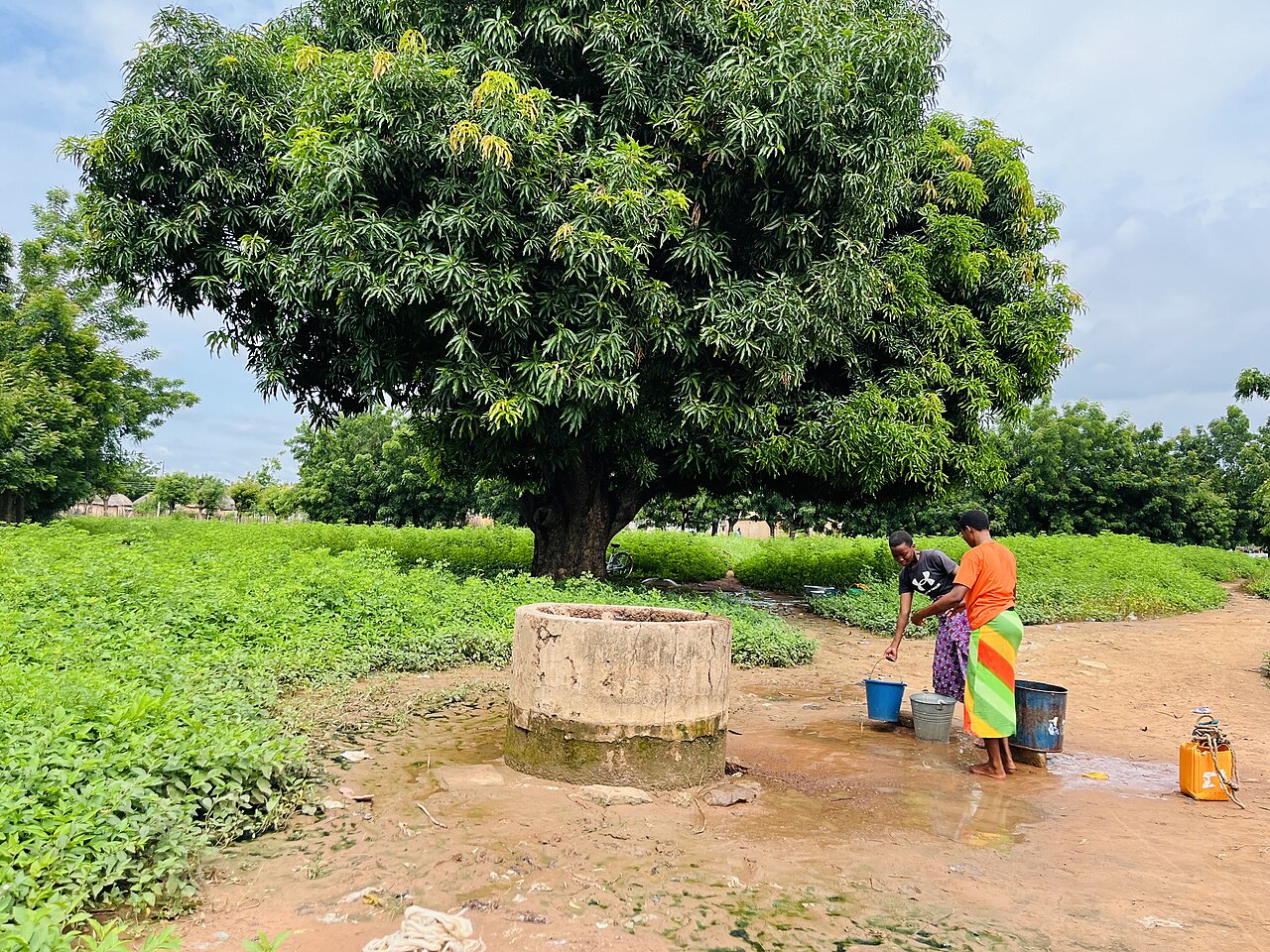
Clean water. In a small community in Ghana's Upper East Region, women walk beyond their village to find drinking water, then come home still needing more for cooking and washing. At a recent community forum, they finally got to set the priorities themselves. The meeting was run by a local group, the Belim Wusa Development Agency, together with WaterAid, which you can support at water aid dot org. Nine in ten people in the room were women, and they put safe drinking water first, ahead of a dam for crops and livestock, and ahead of toilets. One woman told the forum that the distance to water is a major challenge, especially for women. Next, the community will carry its list to local leaders, in its own voice.
The community is Ndaanboug, in the Nabdam District, GBC reported on 27 November. Women made up about 90 per cent of those at the meeting. With support from the area's Assembly Member, James Bingo, residents were asked to rank three needs: potable water, toilet facilities and a dam. Most voted for potable water, followed by a dam for irrigation and drinking water for livestock; toilets at the local Community-based Health Planning and Services (CHPS) compound and household latrines came third. One of the women, Bazang-teyen Onmahare, said the distance to their current water source is especially hard on women who travel outside the community and return home needing water for domestic work. Peter Asaal, Executive Director of the Belim Wusa Development Agency (BEWDA-Ghana), said the exercise was meant to amplify community voices, and that the three communities engaged so far will be supported to present their concerns to the relevant duty bearers.
The forum used a community scorecard, a tool for identifying, documenting and ranking problems with water, sanitation and hygiene (WASH). It is part of a project called Civil Society Leadership Mobilising for Better WASH, funded by the Swedish International Development Cooperation Agency (Sida) through WaterAid Ghana, which aims to train at least 100 community advocates across five districts: Nabdam, Bongo, Bawku West, Kassena-Nankana West and the Kassena-Nankana Municipality.
Neighbouring communities describe similar hardship. At an earlier BEWDA training in Nabdam, Faustina Pumora of Zua said some boreholes produce water that appears contaminated: "You can see larvae in the water, which is not safe for drinking," she told the Ghanaian Times, blaming rising temperatures and changing rainfall. In Nayorigo, in the Bongo District, residents told a forum in October that the low water table means pumping for several minutes to get water, and that children often arrive late to school after long hours fetching it.
Other help is reaching the same districts. In August, WaterAid Ghana launched a €150,000 fund for women-led climate projects, expected to benefit about 14,000 people in 30 communities across the five districts, funded by the Water Justice Fund through WaterAid Netherlands. And in September, Engage Now Africa and The Church of Jesus Christ of Latter-day Saints commissioned solar-powered water systems in five communities in the Kasena Nankana area.
Who is working on this
- WaterAid: works with the Belim Wusa Development Agency on the Ndaanboug forum, and WaterAid Ghana channels the project's Sida funding and runs a women-led climate fund in the Upper East Region.
- Engage Now Africa: in September helped bring solar-powered water systems to five communities in the Upper East Region's Kasena Nankana area.
Learn more
- GBC: UER: Ndaanboug residents prioritise potable water over sanitation facilities
- Ghana News Agency: BEWDA empowers communities to advocate for climate-resilient WASH facilities
- Ghanaian Times: Nabdam communities grapple with lack of water, toilet facilities
- Ghana News Agency: Bongo communities cry for water, household toilets as water crisis, open defecation deepen
- Ghana News Agency: WaterAid launches women-led community fund to strengthen climate resilience in Upper East
- GBC: Engage Now Africa and The Church of Jesus Christ of Latter-day Saints commission five solar-mechanized boreholes in Upper East Region
This story was featured in today's Humanitarian Explorer podcast. Sources: GBC, "UER: Ndaanboug residents prioritise potable water over sanitation facilities," 27 November 2026; Ghana News Agency, "BEWDA empowers communities to advocate for climate-resilient WASH facilities," 25 September 2026; Ghanaian Times, "Nabdam communities grapple with lack of water, toilet facilities," 7 October 2026; Ghana News Agency, "Bongo communities cry for water, household toilets as water crisis, open defecation deepen," 30 October 2026; Ghana News Agency, "WaterAid launches women-led community fund to strengthen climate resilience in Upper East," 1 August 2026; GBC, "Engage Now Africa and The Church of Jesus Christ of Latter-day Saints commission five solar-mechanized boreholes in Upper East Region," 30 September 2026.
How you can help
You can help communities like Ndaanboug get safe water close to home by supporting these organizations.
- WaterAid: supports local partners like the Belim Wusa Development Agency so communities in the Upper East Region can press for safe water and toilets.
- Engage Now Africa: brings clean water systems to underserved communities, including in Ghana's Upper East Region.
💬 0 replies
Inloggen to reply.