
Half of Afghan Primary-Age Children Out of School, but 162,000 Learners Find Community Classes
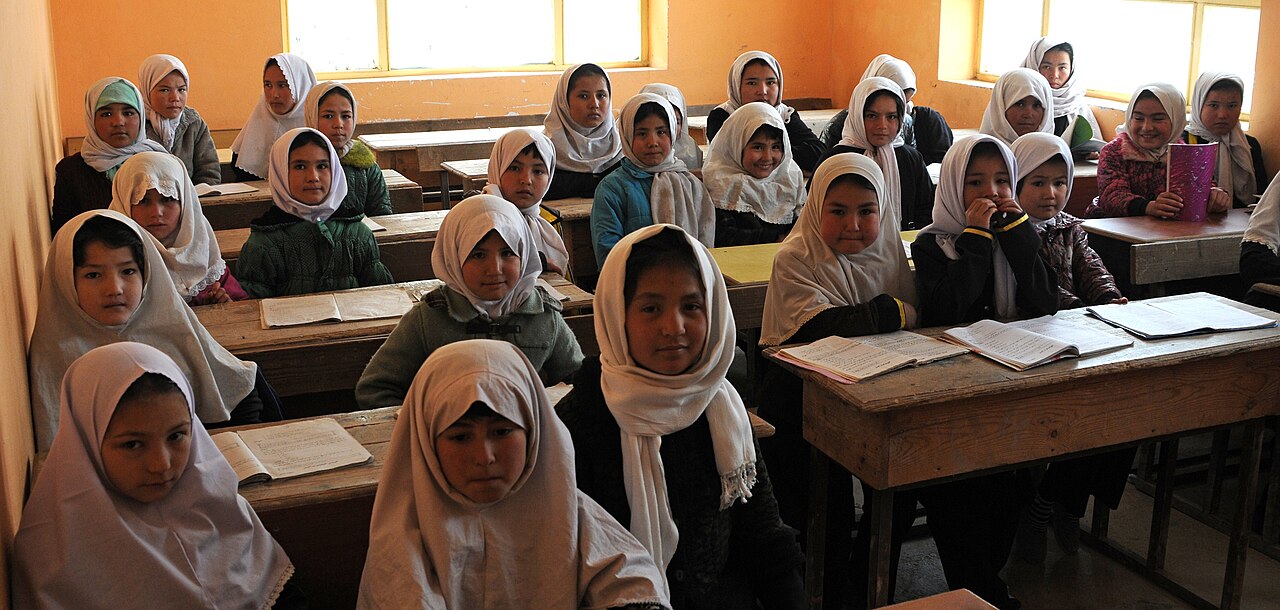
More than half of Afghanistan's primary-school-age children are still outside formal general education, according to a new joint report from UNESCO and UNICEF. The Afghanistan Education Situation Report 2026, released in Kabul on 4 November 2026, puts the figure at 53 percent.
Show moreShow less
More than half of Afghanistan's primary-school-age children are still outside formal general education, according to a new joint report from UNESCO and UNICEF. The Afghanistan Education Situation Report 2026, released in Kabul on 4 November 2026, puts the figure at 53 percent.
The agencies' message is blunt: "Without urgent action, Afghanistan will leave a whole generation behind." But the report also records signs of resilience, from rising primary enrolment to thousands of community-run classes, and sets out what could turn the tide.
What the report found
More than 2.6 million girls have been denied access to secondary education since 2021, and women remain barred from university. Learning is also in trouble for those who do attend. In a national assessment of more than 55,000 pupils across all 34 provinces, fewer than half of Grade 4 students reached the minimum language level expected of Grade 3, and only one in four reached the minimum maths level for that grade.
The youngest children are largely left out: fewer than one in 100 children aged three to four take part in early childhood education. Pressure is growing, too. The school-age population rose from about 10.4 million in 2019 to 11.5 million in 2024, and about 1.23 million Afghans returned to the country by September 2026, including more than 245,000 children who need schooling. The agencies say schools, teachers and services are already overstretched.
Signs of resilience
There is progress to report. About 6.6 million children were enrolled in public primary schools in 2025, roughly 560,000 more than in 2022. By October 2026 about 5,300 community-driven classes were running, serving around 162,000 learners, 64 percent of them girls. Literacy and skills programmes, distance and digital learning and private tutoring offer some routes for adolescent girls, although the report says these fall far short of what is needed. Families and communities, it notes, keep seeking education for their children even where schools are out of reach.
Higher education enrolment has also edged up, to about 208,000 in 2026 from 189,000 in 2024, though that is still well below the roughly 430,000 recorded in 2020.
What needs to happen
UNESCO and UNICEF call for the right to education of Afghan girls and women to be fully restored, for barriers to quality and access to be removed, for sustained investment in teachers, classroom instruction and learning materials, and for more early learning opportunities.
Why it matters
Education shapes a country's health, income and stability for decades. Every child kept out of a classroom is a loss for that child, and for the nurses, teachers and neighbours Afghanistan will need tomorrow.
Learn more
- UNESCO: More than half of primary school-age children in Afghanistan outside formal education
- UNICEF Afghanistan: press release on the same report
Sources: UNESCO, "More than half of primary school-age children in Afghanistan outside formal education, UNESCO and UNICEF warn," 4 November 2026; UNICEF Afghanistan, same title, 4 November 2026.
How you can help
These established nonprofits work to keep children, especially girls, learning:
- UNICEF Afghanistan supports community-based education and learning materials for children across the country.
- Save the Children runs education programmes for children affected by conflict and crisis, including in Afghanistan.
- Malala Fund advocates for girls' right to 12 years of free, safe, quality education and backs local education activists.
💬 0 replies
Sign in to reply.