
Taking the Test to the Village: The Americas Launch a Plan to Halve Malaria by 2030
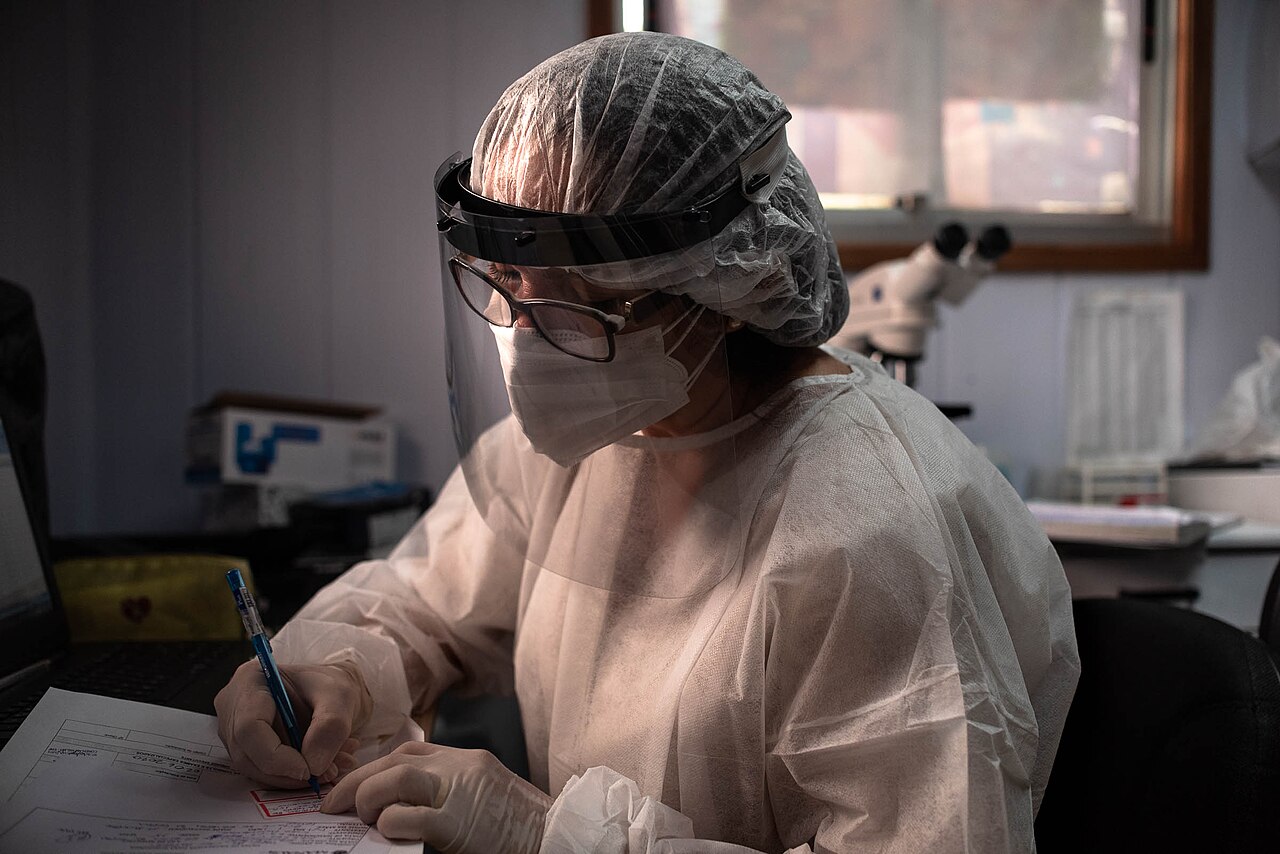
On Malaria Day in the Americas, the Pan American Health Organization (PAHO) has set out a new four-year plan to finish a job the region has already proven it can do. The Action Plan for Malaria Elimination in the Americas 2026–2030, presented in Brasília, Brazil, on 6 November…
Show moreShow less
On Malaria Day in the Americas, the Pan American Health Organization (PAHO) has set out a new four-year plan to finish a job the region has already proven it can do. The Action Plan for Malaria Elimination in the Americas 2026–2030, presented in Brasília, Brazil, on 6 November 2026, aims to halve malaria incidence across the region by 2030 compared with 2024.
The idea at its heart is simple: take testing and treatment to the people who need them, rather than expecting them to travel long distances to a clinic. The plan was launched alongside a regional meeting of health authorities and national malaria programme managers in Brasília from 4 to 6 November.
Progress, but a stubborn half a million cases
The Americas reported about 458,000 malaria cases in 2025, 18% fewer than in 2020, according to PAHO. Deaths fell from 169 in 2015 to 115 in 2025. Five countries have been certified malaria-free since 2018: Paraguay, Argentina, El Salvador, Belize and Suriname. In June 2025, Suriname became the first country in the Amazon region to receive that certification from the World Health Organization, after nearly 70 years of effort that included training health workers from local communities in its forested interior.
Yet over the decade from 2015 to 2025, regional cases fell by only 4.6%, and PAHO describes the number as stagnating at around half a million a year. In 2025, 86% of cases were in South America, mostly in the Amazon Basin and along Colombia's Pacific coast. Brazil, Colombia and Venezuela together accounted for 74% of all cases.
Bringing the test to the village
The new plan targets a 50% cut in incidence by 2030 against the roughly 537,000 cases of 2024, and a 70% cut in malaria caused by Plasmodium falciparum, one of the parasites behind the disease in the region. To get there, it calls for wider use of rapid diagnostic tests, community networks that diagnose and treat under the supervision of health teams, digital tools, chemoprevention, and newer treatments for the radical cure of P. vivax malaria to reduce relapses. Every detected case should be investigated and followed by a rapid response to stop new infections.
"Many of the people most affected by malaria live far from health services. If we want to interrupt transmission, anyone experiencing symptoms must be able to get tested quickly and, if they have malaria, start treatment without delay," said Roberto Montoya, PAHO Regional Malaria Advisor.
What still stands in the way
The hardest-hit communities are often Indigenous villages, mining areas and remote places where distance and transport costs delay diagnosis. Transmission is also highly concentrated: just 22 municipalities in six countries reported 43% of the region's cases in 2025, which PAHO sees as a chance to focus resources where they will matter most. Money is the other test. The plan urges countries to increase, or at least maintain, their own funding, warning that without sustained commitment it will be hard to expand prevention, diagnosis and treatment.
"The Americas have shown that eliminating malaria is possible," said Dr. Sylvain Aldighieri, who directs PAHO's communicable disease department. "The challenge now is to accelerate progress and ensure we reach the communities where transmission persists."
Why it matters
Malaria is preventable and curable, yet it still falls hardest on people living farthest from care. A plan built around reaching them first could help more countries in the Americas follow Suriname to zero.
Learn more
- PAHO: New PAHO plan aims to accelerate malaria elimination in the Americas over the next four years
- PAHO: Malaria Day in the Americas 2026
- WHO: Suriname certified malaria-free by WHO
Sources: Pan American Health Organization, "New PAHO plan aims to accelerate malaria elimination in the Americas over the next four years," 6 November 2026; Pan American Health Organization, "Malaria Day in the Americas 2026," 6 November 2026; World Health Organization, "Suriname certified malaria-free by WHO," 30 June 2025.
How you can help
These organisations work to prevent and treat malaria and bring care to remote communities:
- Malaria No More mobilises the political commitment, funding and innovation needed to end malaria.
- Médecins Sans Frontières (Doctors Without Borders) provides malaria diagnosis and treatment as part of its emergency medical work in hard-to-reach places.
- Partners In Health brings community-based health care to poor and remote communities, including in Latin America and the Caribbean.
💬 0 replies
Sign in to reply.