
Bigger Harvests, Easing Prices, and 41 Countries Still in Need of Food Aid
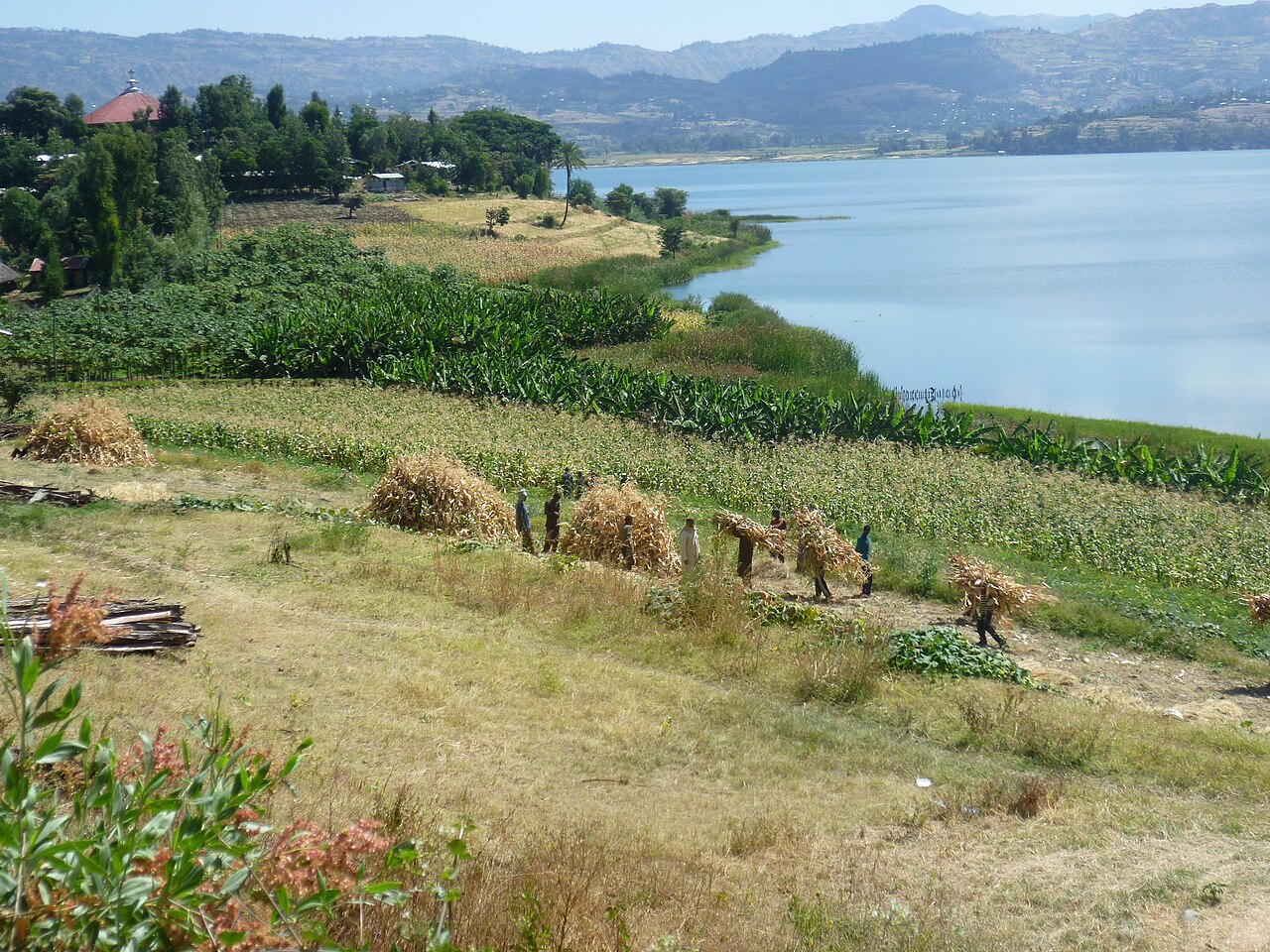
The world is growing a great deal of food this year, and the price of a basic basket of food commodities eased a little last month. Yet 41 countries still cannot feed everyone without outside help. That is the picture from the latest data released on 6 November 2026 by the Food…
Show moreShow less
The world is growing a great deal of food this year, and the price of a basic basket of food commodities eased a little last month. Yet 41 countries still cannot feed everyone without outside help. That is the picture from the latest data released on 6 November 2026 by the Food and Agriculture Organization of the United Nations (FAO).
FAO's Food Price Index, which tracks the international prices of commonly traded foods, averaged 133.9 points in October, down 1.2 percent from September. On the same day, FAO's cereal forecasters said 2026 is set to deliver the second-largest grain harvest on record, and its Crop Prospects and Food Situation report found that harvests in the world's poorest food-importing countries are up too.
A strong year in the fields
FAO now expects world cereal production of about 2,999 million tonnes in 2026. That is a step down from last year's record, but still the second-highest ever. Global cereal stocks are forecast to grow by 17.2 million tonnes, or 1.8 percent, by the close of seasons in 2027. Stocks would then cover about 32.4 percent of the grain the world uses in a year, a comfortable cushion.
The encouraging news reaches some of the places that need it most. In the low-income food-deficit countries, cereal production is estimated at about 126.5 million tonnes, roughly 2 percent above both last year and the five-year average. FAO says much of that gain comes from a strong recovery in Asia, especially the Near East, while harvests among African countries in this group are expected to stay close to average.
Prices: mostly calmer, with exceptions
In October, international cereal prices fell 4.5 percent, and meat and dairy prices also dipped. Not everything moved in the same direction. Rice prices rose 1.6 percent, and sugar jumped 6.6 percent in a single month, to its highest level since December 2024. Overall, the index is 5.9 percent higher than a year ago, though still 16.4 percent below its peak in March 2022.
International prices are only part of the story for families. What people pay at local markets also depends on currencies, transport, and whether roads and markets are open at all.
Where help is still needed
FAO says 41 countries and territories still need external assistance for food, unchanged from its last report. Thirty-one of them are in Africa. According to FAO, persisting conflicts and insecurity remain the main drivers of the most severe hunger, while weather shocks linked to the strong El Niño event are worsening conditions in several regions. Those impacts are expected to remain severe into 2027 in some areas.
In other words, the world as a whole is producing enough grain. The challenge is getting food, seeds and income to the families cut off by fighting, drought or floods, and helping farmers in those places recover.
Why it matters
Good global harvests and steadier prices give governments and aid agencies room to act. Hunger today is driven less by a lack of food in the world than by conflict, climate shocks and poverty that keep it out of reach. That means support for families and smallholder farmers in the 41 countries that need help can make a real difference.
Learn more
- FAO: FAO Food Price Index edges down in October amid subdued demand
- FAO: Cereal Supply and Demand Brief
- FAO GIEWS: Crop Prospects and Food Situation reports
Sources: Food and Agriculture Organization of the United Nations, "FAO Food Price Index edges down in October amid subdued demand," 6 November 2026; FAO, Crop Prospects and Food Situation, November 2026.
How you can help
These organisations work every day to bring food and better harvests to families who need them.
- World Food Program USA raises support for the UN World Food Programme, which delivers emergency food and nutrition help in conflict and disaster zones.
- Action Against Hunger treats and prevents child malnutrition and helps families recover from crises in dozens of countries.
- One Acre Fund gives smallholder farmers in Africa seeds, fertiliser, training and finance so they can grow more food and earn more.
💬 0 replies
Sign in to reply.