
Healing Country: Australia's Rare Broad-Headed Snakes Survive Their First Months in the Wild
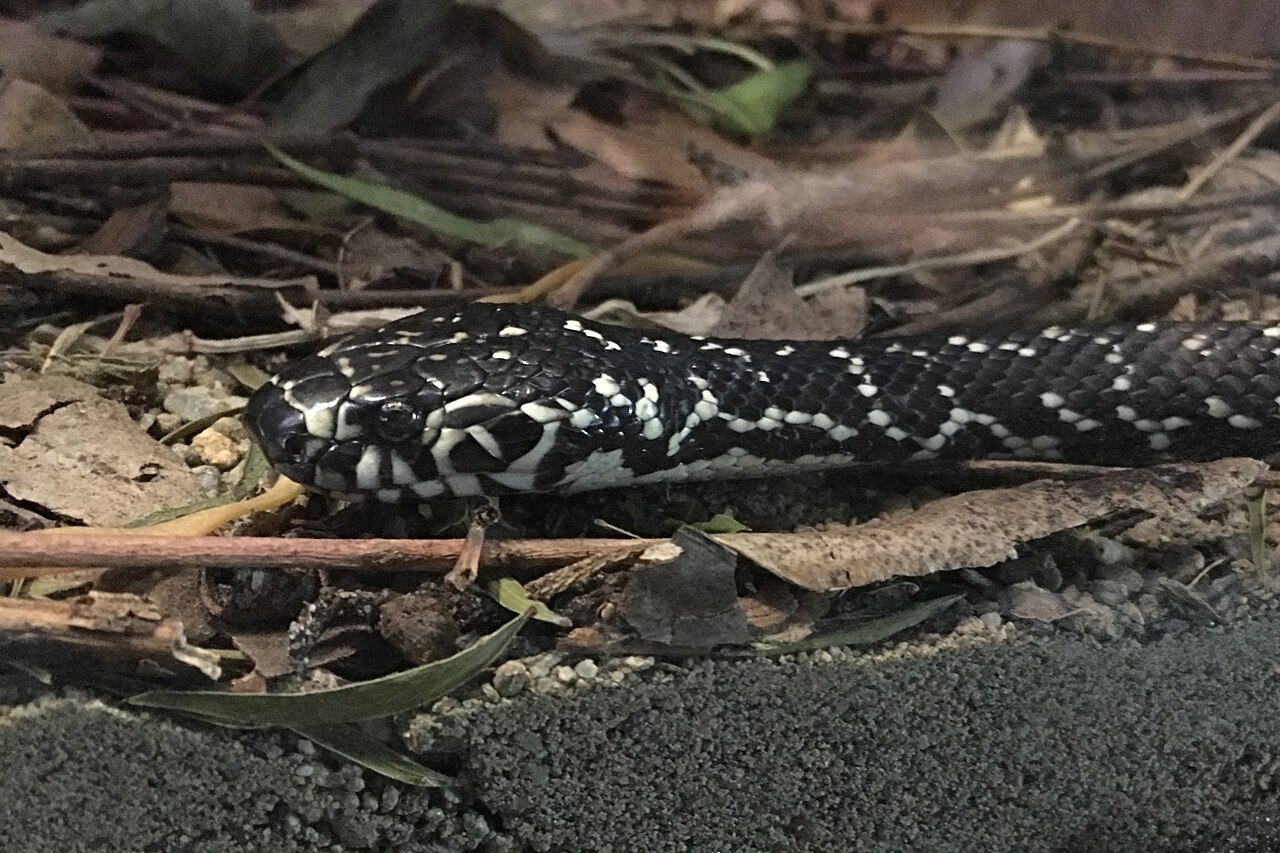
Released beneath specially built rocks on a sandstone escarpment south of Sydney, at least four of six young broad-headed snakes have survived their critical first months in the wild. Researchers announced the result on 6 November 2026, calling it the world's first successful…
Show moreShow less
Released beneath specially built rocks on a sandstone escarpment south of Sydney, at least four of six young broad-headed snakes have survived their critical first months in the wild. Researchers announced the result on 6 November 2026, calling it the world's first successful wild release of one of Australia's most endangered snakes.
The reintroduction is led by wildlife ecologist Professor Jonathan Webb of the University of Technology Sydney (UTS), working with the conservation group Aussie Ark and the Traditional Owners of the Shoalhaven region. The juveniles, all bred in captivity, were released in mid-May and have been checked every two weeks since.
"The reintroduction of the broad-headed snake is a world first, and so far, the results are really encouraging," Webb said. "This pilot study will yield important information, which will help guide future reintroductions of this iconic species."
A snake that needs rocks
The broad-headed snake (Hoplocephalus bungaroides) has a flattened head and a black body with yellow, mosaic-like bands, and grows up to 90 centimeters long. It lives only in the rocky sandstone country of the Sydney Basin and nearby ranges. By day it hides under loose rocks, which keep it warm, shelter it from predators and draw in the small geckos and skinks it eats.
That dependence has been its undoing. Bush rocks have been carted away for gardens and landscaping for decades, and the species breeds slowly: it takes about five years to reach adulthood, and females breed only every two or three years. Webb has followed one population in Morton National Park for more than 30 years. His monitoring shows that drought in 2017 to 2019 and the 2020 bushfires helped drive a decline of around 64 percent by 2023.
From a breeding program to the wild
Aussie Ark began the program in October 2024, collecting wild adults to form an insurance population at its center in Somersby, New South Wales. According to Aussie Ark, eight young snakes have been bred so far. Two were kept back because of their valuable genetics, and six were released at habitat restoration sites.
Each went out under an artificial rock designed by Dr Benjamin Croak, a former UTS doctoral student of Webb's, to match the crevice size and heat-holding qualities of natural stone. Webb said those rocks "have been critical to the survival of the juvenile snakes." The program also trains and supports Indigenous rangers to monitor the snakes on Country.
"It's about all of us coming together to do what's best for Country. Healing Country," ranger Ashley Thomas said when the snakes were released.
What still needs to be done
Six snakes are only a start, and young snakes face kookaburras, brown snakes, feral cats and foxes. Over the next few years the team plans to restore more habitat and release more captive-bred snakes at chosen sites.
Webb also wants the rules on rock removal enforced. New South Wales listed bush rock removal as a key threatening process in 1999, yet he says rocks taken from the bush are still sold by landscape suppliers. He is calling for a permit system that makes sellers prove their rocks did not come from threatened species habitat.
Why it matters
Snakes are rarely the face of conservation, but this one shows how recovery can work: long-term science, a careful breeding program, simple habitat fixes and Traditional Owners caring for their own Country.
Learn more
- World-first successful wild release of endangered broad-headed snake (University of Technology Sydney, via Phys.org)
- World-first wild release of endangered broad-headed snake (Aussie Ark)
Sources: University of Technology Sydney via Phys.org, "World-first successful wild release of endangered broad-headed snake," 6 November 2026; Aussie Ark, "World-First Wild Release Of Endangered Broad-Headed Snake!," 13 May 2026.
How you can help
These organizations protect Australia's threatened wildlife and the habitats they depend on:
- Aussie Ark runs the broad-headed snake breeding and rewilding program, along with recovery programs for other threatened Australian species.
- Australian Wildlife Conservancy protects and restores native wildlife and habitats across Australia through science and on-ground land management.
- Bush Heritage Australia buys and manages land across Australia to protect ecosystems and wildlife for the long term.
💬 0 replies
Sign in to reply.