
Catching Up on Chickenpox: England Offers Free Vaccine to Children Born 2020 to 2022
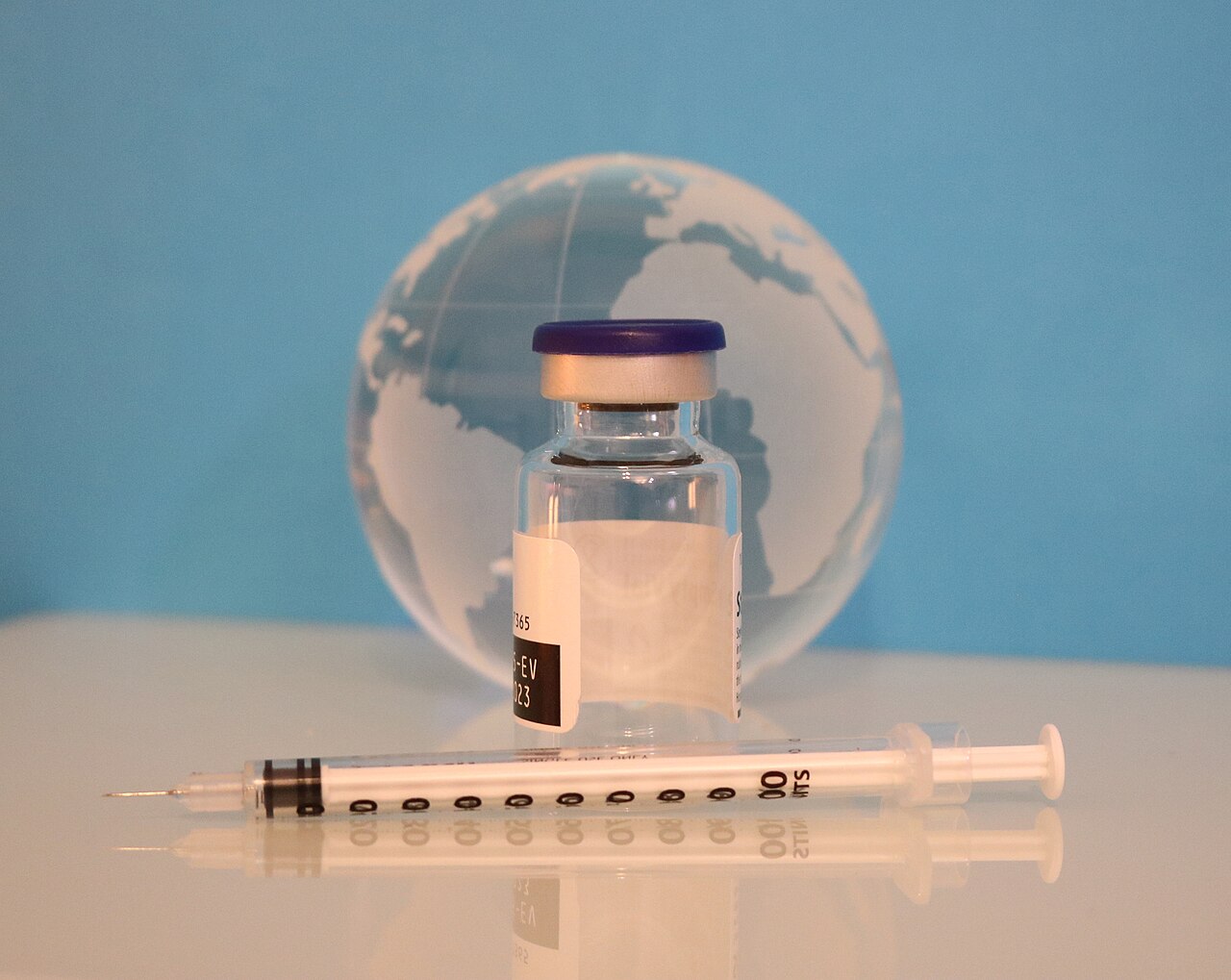
From this week, England's NHS is offering a free chickenpox vaccine to thousands of young children who missed out when the jab was added to the routine schedule. The catch-up campaign, which began on 1 November 2026 and was reported on 3 November, covers children who are now…
Show moreShow less
From this week, England's NHS is offering a free chickenpox vaccine to thousands of young children who missed out when the jab was added to the routine schedule. The catch-up campaign, which began on 1 November 2026 and was reported on 3 November, covers children who are now roughly four to six years old.
The UK Health Security Agency (UKHSA) says the programme is designed to protect children who have already had their two MMR vaccines but have never been protected against chickenpox. It will run until 31 March 2028, so families have time to book. The agency set out the details in a release on 30 October 2026.
Who can get the vaccine
Children born between 1 January 2020 and 31 August 2022 who have not previously had chickenpox are eligible. They are offered a single dose of the MMRV vaccine, which protects against measles, mumps, rubella and varicella (the virus that causes chickenpox). According to the NHS vaccination guidance, a child's GP surgery will usually get in touch by letter, text, phone call or email, and parents who have not heard anything can contact the surgery to book.
The vaccine is not suitable for everyone. The NHS says children with a severely weakened immune system, or who have had a serious allergic reaction to an ingredient of the vaccine, should not have it, and children with a high temperature should wait until they feel better.
Why chickenpox is worth preventing
Chickenpox is often seen as a rite of passage, but UKHSA's figures show a heavier toll. In England in 2025 there were 3,037 hospital admissions for chickenpox among under-18s, plus more than 15,000 GP consultations in the practices it monitors. Children aged five and under accounted for over 70 percent of clinical reports, and a sample of 439 nurseries and primary schools recorded 4,117 absences. UKHSA notes that these numbers probably undercount cases, because many families manage mild illness at home.
"No parent wants to see their children needlessly suffering in hospital."
— Dr Gavin Dabrera, consultant epidemiologist, UKHSA
What comes next
Chickenpox protection joined the routine childhood schedule on 1 January 2026, with doses at 12 and 18 months for children born on or after 1 January 2025. Babies under 12 months are not routinely vaccinated, because the vaccine does not reliably produce a strong response at that age. UKHSA says they rely on protection from vaccinated older children around them. That is why the catch-up matters: every older child who is vaccinated helps shield the youngest.
The challenge now is uptake. Children born between 2020 and 2022 are spread across many GP practices, and the programme depends on families responding to invitations over a long window. Children older than this group, born on or before 31 December 2019, are not eligible for MMRV on the NHS.
Why it matters
Vaccines work best when most of a community is protected, and this catch-up closes a gap for a whole group of children while shielding babies too young to be vaccinated themselves.
Learn more
- Nursing Times: Chickenpox vaccination catch-up campaign launched for children
- UKHSA on GOV.UK: new report shows toll of chickenpox
- NHS: MMRV vaccine
Sources: Nursing Times, "Chickenpox vaccination catch-up campaign launched for children," 3 November 2026; UK Health Security Agency, "New report shows toll of chickenpox with over 3,000 infants hospitalised last year," 30 October 2026; NHS, "MMRV vaccine."
How you can help
These organisations help children get vaccinated and reach health care:
- Gavi, the Vaccine Alliance helps low-income countries buy and deliver routine childhood vaccines.
- UNICEF UK supports immunisation and child health programmes in more than 190 countries and territories.
- Doctors of the World UK helps people who face barriers to health care, including vaccination, in the UK and abroad.
💬 0 replies
Sign in to reply.