
"We Are Expanding What Works": Gombe State Takes Personalised Digital Learning to 764 Primary Schools
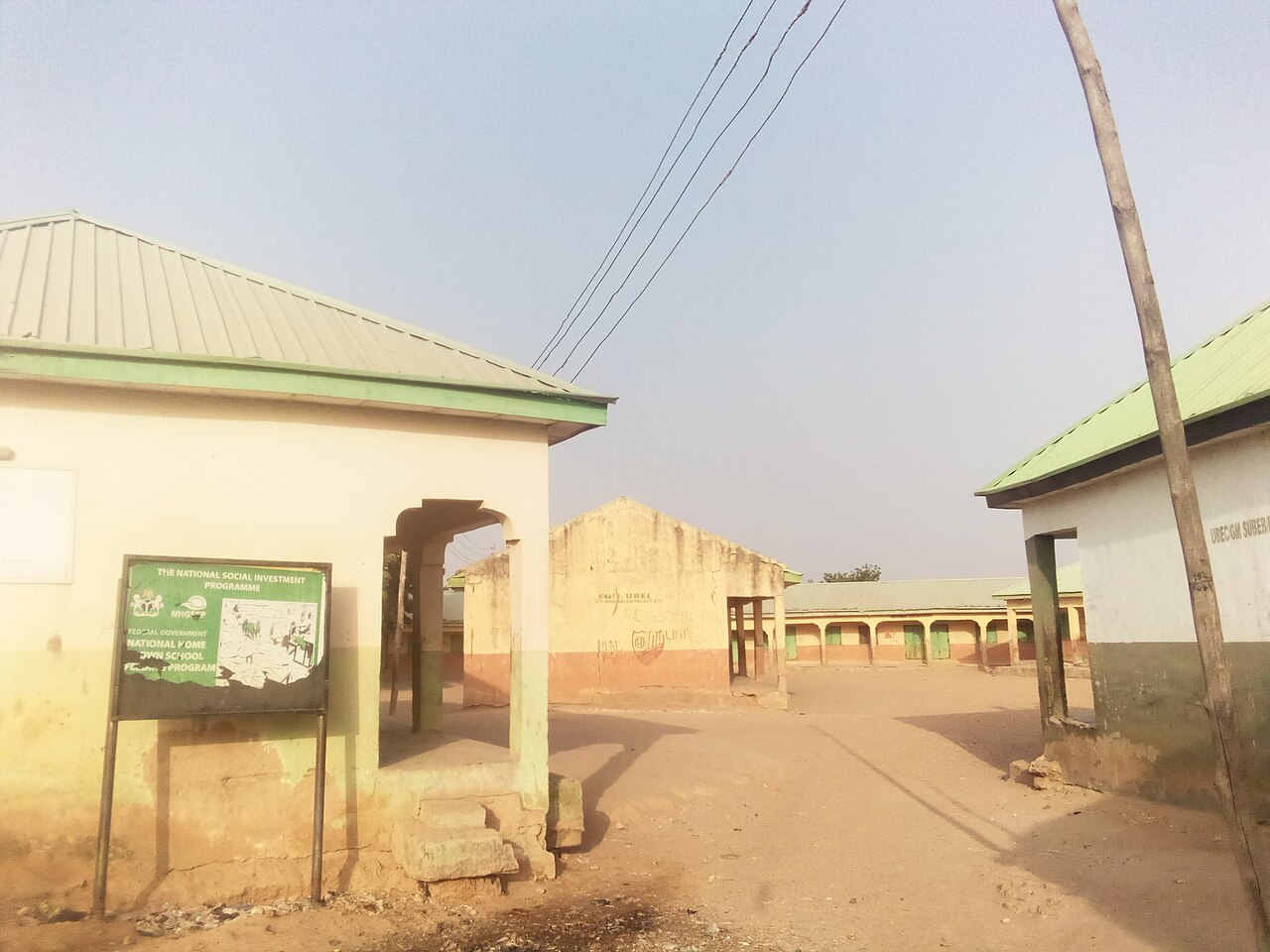
In Gombe State, in north-east Nigeria, a programme that lets primary school children learn to read and count at their own pace on digital devices is growing from a pilot into a statewide effort. The state government has begun expanding its Digital Personalised Learning…
Show moreShow less
In Gombe State, in north-east Nigeria, a programme that lets primary school children learn to read and count at their own pace on digital devices is growing from a pilot into a statewide effort. The state government has begun expanding its Digital Personalised Learning programme, run with the education technology organisation EIDU, to 764 public schools, with the aim of reaching more than 100,000 pupils, Daily Trust reported on 9 November 2026.
The expansion was formally launched last week at Mu'azu Bolari Primary School in the city of Gombe. It began where any classroom change has to begin: with training for the teachers and head teachers who will run the programme in their schools.
"We are no longer experimenting; we are expanding what works, so that many more of our children across Gombe State can benefit from quality, personalised learning," said Professor Hassan Bello, Executive Chairman of the Gombe State Universal Basic Education Board (SUBEB), according to Daily Trust.
How the programme works
Under the model, pupils use digital devices alongside structured learning materials. Lessons adjust to each child's level, and children get immediate feedback, so a pupil who is struggling can slow down while a classmate who is ready can move ahead. The focus is on the foundations: literacy and numeracy in the early years of primary school.
Officials stress that the devices are a tool for teachers, not a replacement for them. Professor Bello urged teachers to guide pupils during digital learning sessions and asked head teachers to manage the devices carefully. SUBEB says it will step up monitoring through regular school visits, working with EIDU, the federal Universal Basic Education Commission and other partners.
The idea has been growing for some time. In March, The Guardian Nigeria reported that the first phase involved 11,555 pupils in 16 schools across three local government areas, with more than 300 teachers trained. Education Commissioner Professor Aishatu Umar Maigari explained the thinking then: "It is one thing to take children to school, it is another thing to retain them, and it is another thing for them to actually learn."
What still needs to be done
The expansion is a plan in motion, not yet a finished achievement. Professor Maigari said the state has made a legal commitment to the programme and is waiting for the funds to be released. "The necessary processes are already underway," she said. The encouraging pilot results described by officials, including better engagement and progress in reading and maths, come from the state itself; families and partners will want to see independent evidence as the programme grows.
The wider challenge is large. According to UNICEF Nigeria, about 10.5 million Nigerian children aged 5 to 14 are not in school, and in the north of the country the net primary school attendance rate is 53 percent. Better learning inside classrooms has to go hand in hand with getting every child through the school gate.
Why it matters
Children who do not learn to read and count well in the first years of school often fall further behind each year. A programme that meets each child where they are, backed by trained teachers and careful monitoring, could help tens of thousands of Gombe's pupils build the skills everything else depends on.
Learn more
- Daily Trust: Gombe targets 764 schools, 100,000 for digital learning expansion
- The Guardian Nigeria: Gombe–EIDU partnership boosts learning outcomes for 11,000 pupils
- UNICEF Nigeria: Education
Sources: Daily Trust, "Gombe targets 764 schools, 100,000 for digital learning expansion," 9 November 2026; The Guardian Nigeria (NAN), "Gombe–EIDU partnership boosts learning outcomes for 11,000 pupils," 13 March 2026; UNICEF Nigeria, "Education."
How you can help
These organisations work to help Nigerian children get into school and learn the basics well:
- UNICEF Nigeria works with governments across Nigeria to get out-of-school children into classrooms and improve the quality of basic education.
- Teach For Nigeria places and supports teachers in underserved public schools to improve children's literacy and numeracy.
- Slum2School Africa helps children from underserved communities in Nigeria enrol in school and stay learning.
💬 0 replies
Sign in to reply.