
Ireland Maps Its Nature Recovery, Bolivian Women Regrow Andean Forests and Otters Return to Kuala Lumpur
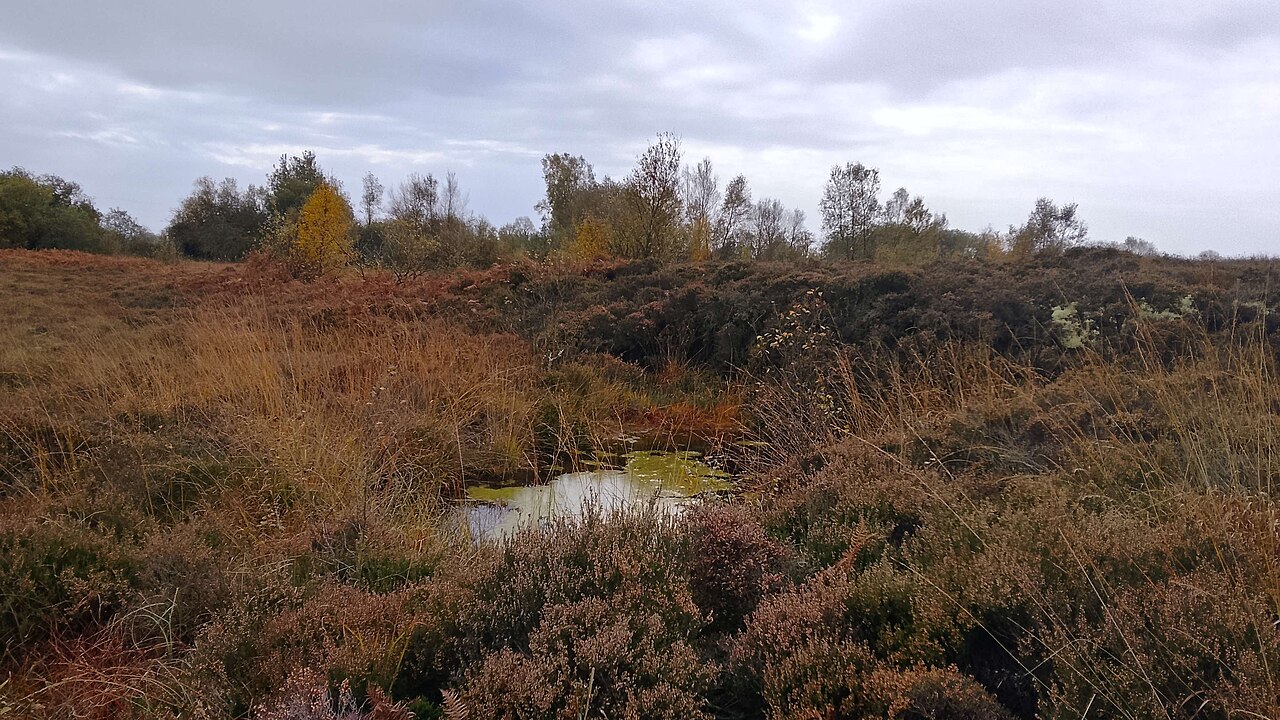
Today's environment roundup travels from Ireland's bogs and rivers to India's coastline, the high Andes of Bolivia and the heart of Kuala Lumpur. Ireland has set out how it plans to bring damaged habitats back, India's wildlife board put the ocean at the center of its latest meeting, Quechua women are regrowing a rare mountain forest that feeds a city's water, and otters are making themselves at home on a river that was once among the dirtiest in the world.
Ireland: a draft plan to bring nature back
Ireland has published its draft nature restoration plan, The Irish Times reported on November 24. The plan answers the EU Nature Restoration Regulation, adopted in 2024 and binding on every member state, which aims to restore at least 20 percent of the EU's land and sea by 2030 and all damaged ecosystems by 2050. A €20 million "pathfinder" fund will be provided next year for pilot projects that can be scaled up elsewhere.
Among the measures: 300 kilometers of rivers that were blocked or diverted by engineering works are to be returned to their original course by 2050, and a cross-border pollinator plan aims to restore bee numbers by 2030. By 2050, the area under restoration would be between 476 and 2,039 square kilometers; at the upper figure, that is larger than County Offaly. Ireland's share of the EU's pledge of three billion extra trees is about 30 million. Minister of State for Nature Christopher O'Sullivan said the plan was built with farming, forestry and fishing communities, local authorities and environmental groups: "We need a new narrative for the future of nature in Ireland, one that is built on common ground and shared understanding."
It is still a draft. The European Commission has until September next year to approve it, and groups including BirdWatch Ireland and the Climate Change Advisory Council say only multi-year funding will give farmers and landowners the means to restore habitats.
India: wildlife board turns its focus to the sea
On November 23, India's Union Environment Minister Bhupender Yadav chaired the 92nd meeting of the Standing Committee of the National Board for Wildlife in New Delhi, with marine conservation as its central theme, The Tribune reported. Scientists from the Wildlife Institute of India presented an assessment of how well 108 coastal and marine protected areas are managed, carried out between 2024 and 2026, and an all-India survey of marine turtles across nearly 1,300 km of coastline and 360 beach stretches over three breeding seasons from 2022 to 2025.
A ten-year review of dugong conservation included a drone-based count in Tamil Nadu that estimated around 270 dugongs, along with the notification of India's first dugong conservation reserve in Palk Bay. Another study identified seven likely hotspots for Arabian Sea humpback whales and flagged entanglement in fishing gear as a threat. A fishing cooperative in Mangrol, Gujarat, was honored for whale shark conservation, and Nameri Tiger Reserve in Assam received Conservation Assured | Tiger Standards accreditation, Indian Masterminds reported.
The same meeting took up 133 proposals for roads, defense infrastructure, drinking water supply and other works that need wildlife clearance, and discussed how roads and other linear infrastructure affect wildlife. How those projects are handled will matter as much as the research for the animals involved.
Bolivia: Quechua women regrow the trees that hold the water
In the Tunari mountains above Cochabamba, Indigenous Quechua communities are replanting Kewiña, a slow-growing native Polylepis tree that grows far above the usual tree line, Mongabay reported on November 24. Biologists estimate only 10 percent of the region's original Kewiña cover remains after decades of clearing for firewood, building and potato farming. The trees catch fog and channel it into the soil, and studies indicate that 80 percent of the water used in the Cochabamba metropolitan area comes, directly or indirectly, from catchments inside Tunari National Park.
Bolivian nonprofit Faunagua began the work in 2022 with six communities, and nearly 500,000 seedlings have been planted so far, with 110,000 grown this year, according to its executive director, Rosmery Ayala. In the village of Chiaraje, about 25 women formed the Warmi Kewiñas ("Kewiña Women") in 2023, and the project added literacy classes. "Now we women can read, write, and sign our names – we've all learned through the Kewiña project," said the group's president, potato farmer Andrea Vicente.
The trees take decades to mature, and Cochabamba sociologist Rosario León warned that many such projects fade when funding ends: "As long as there's money, everything is great."
Malaysia: otters return to the Klang River
Smooth-coated otters, a species listed as vulnerable by the IUCN, are now seen regularly along Kuala Lumpur's Klang River, Mongabay and AFP reported on November 23. The Klang was once rated Class 5, the worst level on Malaysia's scale for polluted rivers. Years of cleanup have lifted it to Class 3, moderately polluted, which wildlife ecologist Woo Chee Yoong of the Malaysian Otter Network said seems to have encouraged the otters to move in. Hundreds of garbage traps were installed under the government's River of Life project, and solar-powered interceptors from a Dutch nonprofit have collected tens of thousands of tons of waste.
There is friction too. Residents of a nearby housing estate say forest clearing for a new township has pushed otters onto their land, where the animals are accused of raiding the fish ponds of at least 12 houses in the past year. The species is protected, so Woo has been brought in to teach residents to block entry points and net their ponds. Former Kuala Lumpur mayor Maimunah Mohd Sharif wants to stop waste reaching the river and raise it to Class 2B, clean enough for body contact. "One day, I want to swim in the Klang River," she said.
Why it matters
Each of today's stories shows nature recovering when people give it room and time: rivers allowed back into their old channels, sea creatures counted so they can be protected, mountain forests replanted by the communities who drink their water, and a city river cleaned until wildlife comes home. None of it is finished, and much depends on steady funding and on choices still to be made about development.
Learn more
- The Irish Times: Nature restoration plan seeks to reverse biodiversity decline in the State
- The Tribune: Wildlife board clears 133 projects for review, puts focus on marine conservation
- Indian Masterminds: Bhupender Yadav Chairs 92nd NBWL Meeting; 133 Development Proposals Reviewed for Wildlife Clearance
- Mongabay: In the Bolivian Andes, Indigenous women plant native trees to restore water sources
- Mongabay: Kuala Lumpur otters raise river revival hopes
Sources: The Irish Times, "Nature restoration plan seeks to reverse biodiversity decline in the State," 24 November 2026; The Tribune, "Wildlife board clears 133 projects for review, puts focus on marine conservation," 23 November 2026; Indian Masterminds, "Bhupender Yadav Chairs 92nd NBWL Meeting; 133 Development Proposals Reviewed for Wildlife Clearance," 23 November 2026; Mongabay, "In the Bolivian Andes, Indigenous women plant native trees to restore water sources," 24 November 2026; Mongabay, "Kuala Lumpur otters raise river revival hopes," 23 November 2026.
How you can help
These organizations work on the issues in today's stories:
- BirdWatch Ireland protects Ireland's wild birds and their habitats and has called for long-term funding for nature restoration.
- Dakshin Foundation works with coastal communities in India on marine conservation, threatened marine species and sustainable fisheries.
- Faunagua works with Quechua communities in Bolivia's Tunari mountains to replant native Kewiña forests that protect water sources.
- Malaysian Nature Society is a long-established Malaysian conservation group working to protect the country's wildlife, rivers and wild places.
💬 0 replies
Sign in to reply.