
Unrolling Sunlight: Astronauts Install a New Solar Array as the Space Station Grows Crops for the Future
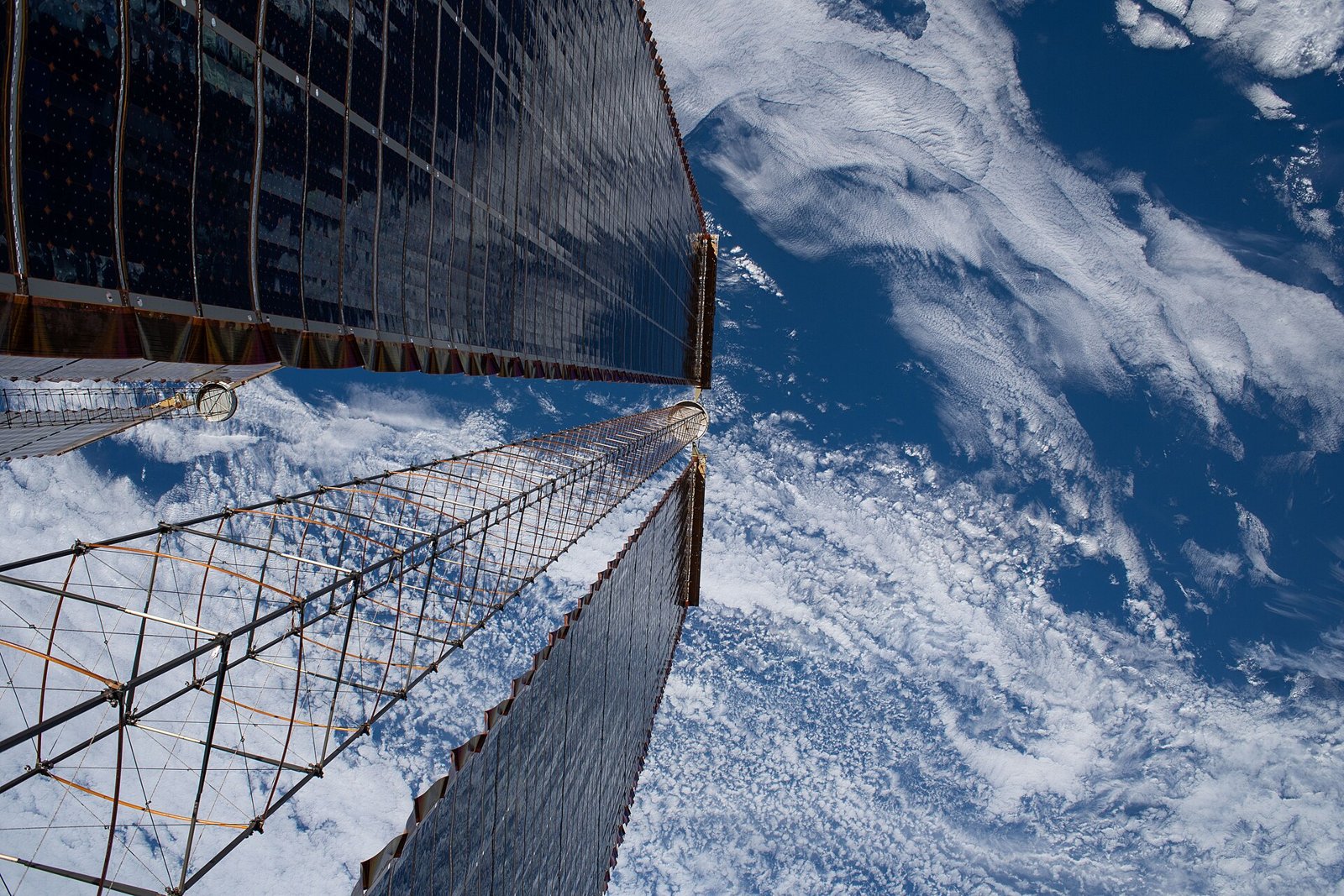
About 400 kilometres above us, a new wing of sunlight has opened. According to NASA, NASA astronaut Anil Menon and Canadian Space Agency astronaut Joshua Kutryk spent seven hours and 11 minutes outside the International Space Station on Thursday, 29 October, installing a new…
Show moreShow less
About 400 kilometres above us, a new wing of sunlight has opened. According to NASA, NASA astronaut Anil Menon and Canadian Space Agency astronaut Joshua Kutryk spent seven hours and 11 minutes outside the International Space Station on Thursday, 29 October, installing a new roll-out solar array that is already generating power.
The pair attached the array to the port side of the station's truss, then released its tension bolts. Over about ten minutes, the array unfurled on its own, like a carpet unrolling in the silence of space.
Finishing a five year upgrade
Menon and Kutryk plan to install one more array on Thursday, 5 November. NASA says that eighth and final array will complete an effort that began in June 2021 to augment the station's power system, raising its generating capacity from 160 kilowatts to about 215 kilowatts. More power means more room for the science that makes the station worthwhile.
Gardens for the Moon and Mars
After the spacewalk, the crew turned to quieter work. Menon studied how microgravity affects cell division in green algae and cultured tobacco cells, research that may support growing food crops on the Moon and Mars. NASA astronaut Luke Delaney studied how to prevent plant disease in space, inoculating thale cress samples exposed to a fungal pathogen and placing them in an incubator that creates artificial gravity. NASA says the results may improve crop disease resistance both in space and on Earth.
Elsewhere aboard, Kutryk tested a compact exercise cycle meant to keep crews fit on long journeys, Jessica Watkins serviced research freezers, and crewmates worked on experiments ranging from growing high purity crystals to how the human sense of balance adapts to weightlessness.
Why it matters
Much of exploration happens in small, patient steps: a bolt released, a seedling checked, a freezer kept cold. Astronauts from several nations working side by side to capture sunlight and learn how to grow food far from home is a hopeful picture of what people can do together, and some of what they learn may one day help farmers here on Earth.
Learn more
- Read the NASA space station blog.
Source: NASA, "Space Crops and Advanced Tech Wrap Up Week Following Spacewalk," 30 October 2026.
💬 0 replies
Sign in to reply.