
Water From the Sea: A New Desalination Plant Brings a Steadier Supply to 14,500 People in Northern Morocco
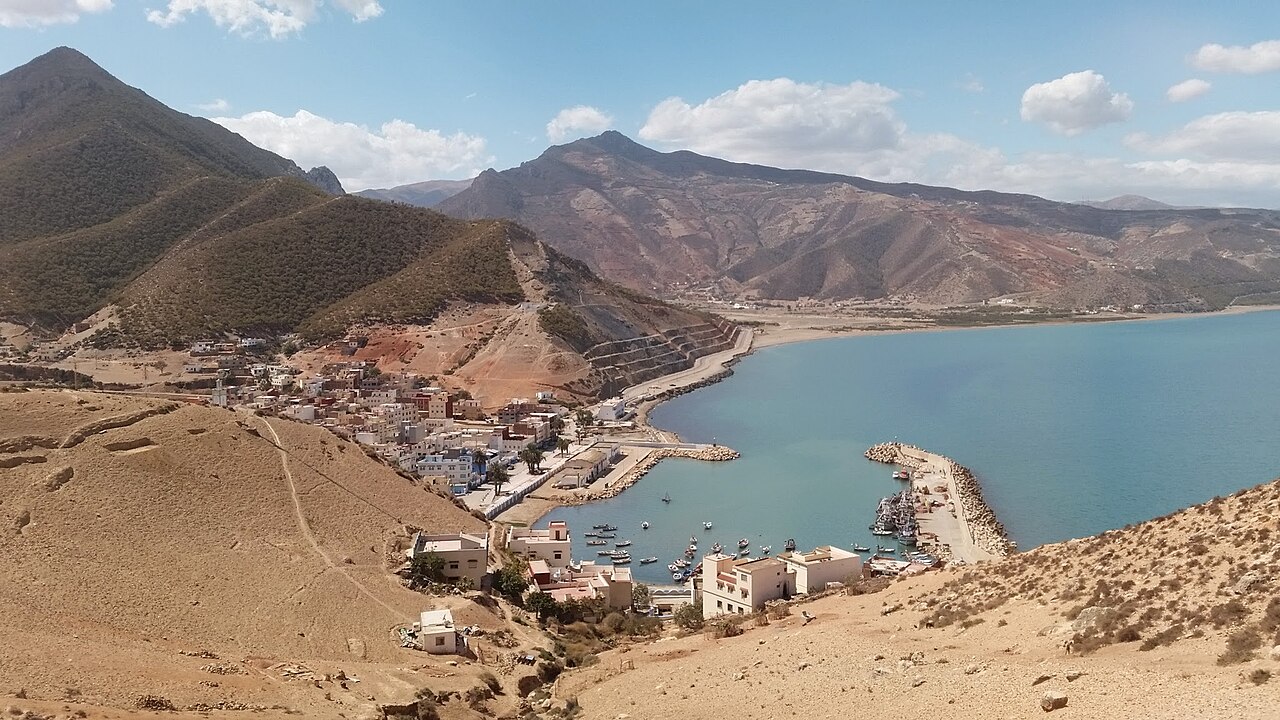
For about 14,500 people in Jebha and Amtar, two communes on Morocco's Mediterranean coast at the foot of the Rif Mountains, the sea itself is now becoming a source of drinking water. On Friday, 6 November, the regional multi-service utility for Tanger-Tetouan-Al Hoceima switched…
Show moreShow less
For about 14,500 people in Jebha and Amtar, two communes on Morocco's Mediterranean coast at the foot of the Rif Mountains, the sea itself is now becoming a source of drinking water. On Friday, 6 November, the regional multi-service utility for Tanger-Tetouan-Al Hoceima switched on a small seawater desalination plant in Jebha, in Chefchaouen province, Morocco World News reported.
The plant is designed to produce about 864 cubic metres of treated water a day, roughly 10 litres every second. Younes Hajjaj, deputy director general for operations at the utility, known as SRM-TTA, said it will serve about 14,500 residents, mainly in Jebha and Amtar. The project cost around 13 million dirhams (about US$1.3 million) and was paid for by Morocco's Ministry of the Interior, according to Le360.
Officials say the new supply should mean fewer interruptions and more reliable taps, especially at times of peak demand.
From seawater to safe water
The station is a compact unit that uses reverse osmosis, pushing water through fine membranes that hold back salt. Alongside it, the project equipped a borehole with a flow of 24.3 litres per second, laid pipes for raw and treated water, and connected the plant to the power grid through its own transformer.
The water passes through several stages before it reaches homes: filtration and pre-treatment, reverse osmosis, remineralisation to restore the minerals people need, and a final disinfection step so that it meets the standards required for drinking.
Part of a much bigger push
Jebha's plant is small, but it belongs to a national strategy. After years of drought and shrinking groundwater, Morocco has turned to unconventional sources such as desalinated seawater under its National Programme for Drinking Water Supply and Irrigation for 2020 to 2027. According to Morocco World News, the country went from nine desalination stations in 2021, producing 46 million cubic metres a year, to seventeen in 2026, producing 447 million cubic metres.
Just days before the Jebha launch, on 2 November, Equipment and Water Minister Nizar Baraka set out a new water security strategy to cope with drought, floods, rising temperatures and irregular rainfall. Larger plants are planned for Nador, Driouch, Tangier and several southern cities, with the goal of producing close to 1.8 billion cubic metres a year by 2031 and covering about 60 percent of the kingdom's drinking water needs.
What still needs to be done
Desalination is not a simple fix. It is expensive: Morocco World News reports that at the large Agadir-area plant, the price people pay covers only part of the real cost, with state subsidies making up the gap. It also uses a lot of electricity, much of it still from fossil fuels, and the salty brine left over can harm marine life if it is not managed carefully. Inland and mountain villages far from the sea need other solutions too, from protecting springs and groundwater to building and maintaining local networks.
Why it matters
Reliable, safe water at home means healthier families, less time spent fetching and storing water, and fewer worries when summer demand peaks. For a small coastal community, a plant sized to its own needs is a practical step towards water that does not depend on the next rainfall.
Learn more
- Morocco World News: Jebha Desalination Plant to Produce 864 Cubic Meters Daily for 14,500 People in Chefchaouen
- Le360 (in French): Province de Chefchaouen: mise en service de la station intégrée de dessalement de l'eau de mer à Jebha
- Yabiladi: Chefchaouen: Desalination plant commissioned in Jebha
Sources: Morocco World News, "Jebha Desalination Plant to Produce 864 Cubic Meters Daily for 14,500 People in Chefchaouen," 7 November 2026; Le360, "Province de Chefchaouen: mise en service de la station intégrée de dessalement de l'eau de mer à Jebha," 7 November 2026; Yabiladi, "Chefchaouen: Desalination plant commissioned in Jebha," 7 November 2026.
How you can help
These organisations work to bring safe, reliable water to communities in Morocco:
- High Atlas Foundation partners with rural Moroccan communities on projects they choose, including clean drinking water systems for mountain villages.
- Dar Si Hmad harvests fog from the mountains of southwest Morocco to deliver piped drinking water to Amazigh villages facing water scarcity.
- UNICEF Morocco works with national authorities to improve water, sanitation and hygiene in schools and health facilities so children can learn and be cared for safely.
💬 0 replies
Sign in to reply.