
Jordan Starts Work on a Seawater Plant for Amman, Kashmir Villages Get Piped Water and More
Today's clean water news comes from three places where getting water to people's homes is the daily challenge: the desert kingdom of Jordan, two villages in Kashmir's Anantnag district, and the hills of Murang'a County in Kenya. Each story is a step forward, and each comes with honest work still ahead.
Jordan: work begins on a seawater plant to supply the capital
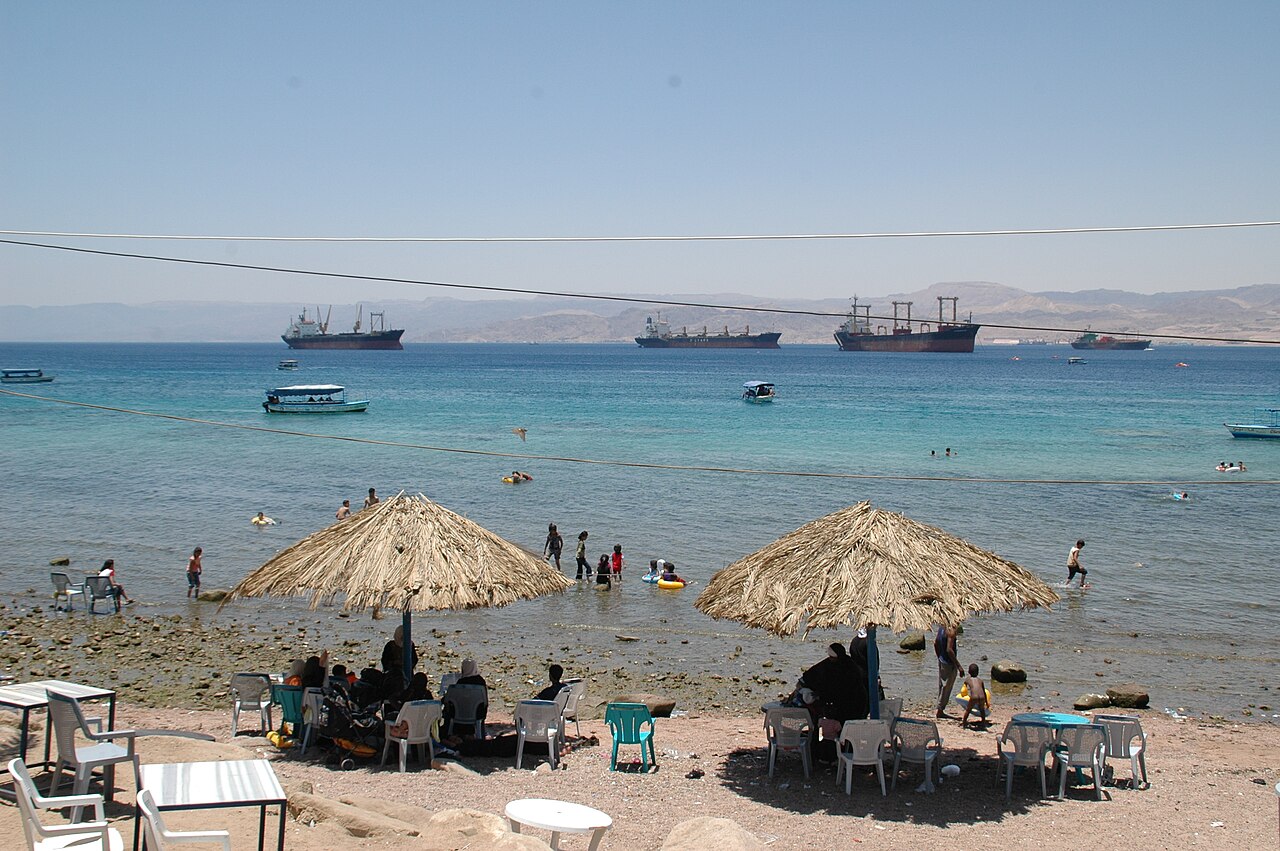
On Wednesday, November 18, Jordan's Prince Faisal bin Hussein laid the cornerstone for a large desalination project in the port city of Aqaba, The National reported. The plant and its related infrastructure are designed to carry 300 million cubic meters of water a year to Amman, a journey of about 450 kilometers. A mostly French consortium controlled by the asset firm Meridiam won the 30-year concession in 2025, and completion is expected in late 2030. A Meridiam spokesman told The National that about 80 percent of the plant's energy will come from a 280-megawatt solar farm.
The need is real. Most households in Jordan receive piped water only once a week, and the country's yearly water share of about 100 cubic meters per person is among the smallest in the world. Prime Minister Jafar Hassan said the project will improve Jordan's water "independence" and thanked the United States, the European Union, Germany, France and other donors.
Officials have been clear that the plant will lessen Jordan's shortages but not solve them. Families will be waiting several more years for its water, so saving water, stopping illegal wells and fixing leaks remain urgent in the meantime.
India: piped water reaches two Kashmir villages
Just five kilometers from Anantnag town in Jammu and Kashmir, the villages of Shoul and Sursuna have struggled for years to get drinking water. On Thursday, November 19, local lawmaker Abdul Majid Larmi opened a new rapid sand filtration plant and water supply scheme for the two villages, Greater Kashmir reported.
Shoul had a piped connection, but supply was short and irregular. "We would hardly get water for two to three hours. Even that was not enough to meet our daily requirements," resident Mushtaq Ahmad told the paper. Sursuna had no piped drinking water at all. "People, particularly women and elderly residents, faced difficulties arranging water for their daily needs," said Khurshid Ahmad, who lives there. The scheme, built under India's Jal Jeevan Mission at an estimated cost of Rs 566.42 lakh, is expected to bring piped water to Sursuna for the first time and improve supply in Shoul. Larmi said it would bring relief to nearly 20,000 people in the area.
A new plant is only the beginning: residents will be watching to see that water keeps flowing reliably, and that the system is well maintained, in the months and years ahead.
Kenya: new financing to end water rationing in Murang'a
Murang'a County in central Kenya has secured Sh348.65 million in financing for the Kiharu Water Project, Capital FM reported on November 18. The Water Services Trust Fund (WaterFund) and Consolidated Bank will each cover half of the cost. WaterFund's share is interest-free returnable financing backed by the World Bank, which is expected to bring the project's average borrowing cost down to about 6.5 percent.
"Murang'a's challenge is not a lack of water. Our challenge has been getting that water to the people," said Mary Muthoni Magochi, the county's executive committee member for water. Residents of Mbiri, Township and Gaturi wards are expected to benefit directly, with less water rationing, and the county expects people to start seeing improvements early next year. WaterFund chief executive Willis Ombai said the approach could be a model for other water utilities looking for commercial financing.
There is still a step to go: the project's designs are approved, but its environmental license from the National Environment Management Authority has not yet been issued.
Why it matters
In all three places, the problem is not only finding water but moving it, safely and reliably, to the people who need it. A seawater plant hundreds of kilometers from the capital, a filtration plant beside two villages and a pipe network for a county with plenty of rivers are very different projects, but they share the same goal: water that arrives at home, every day, instead of a few hours a week.
Learn more
- The National: Jordan embarks on $6.7 billion water project to reduce shortages
- Greater Kashmir: Just 5 Km from Anantnag town, two villages finally get drinking water
- Capital FM: Murang'a secures Sh348.6mn financing for Kiharu water project
Sources: The National, "Jordan embarks on $6.7 billion water project to reduce shortages," 18 November 2026; Greater Kashmir, "Just 5 Km from Anantnag town, two villages finally get drinking water," 20 November 2026; Capital FM, "Murang'a secures Sh348.6mn financing for Kiharu water project," 18 November 2026.
How you can help
These organizations work on safe water in the places in today's stories:
- EcoPeace Middle East brings together Jordanian, Palestinian and Israeli environmentalists to protect the region's shared water and environment.
- WaterAid India works with communities and governments across India to bring clean water, decent toilets and good hygiene to everyone.
- The Water Project builds and maintains community water sources in rural Kenya and other parts of sub-Saharan Africa.
💬 0 replies
Sign in to reply.