
Food Aid Reaches Families Who Fled to Kenya, Malawi Farmers Fill More Maize Bags and Namibia Backs School Meals
Today's food roundup comes from three corners of Africa. In northern Kenya, the World Food Programme is feeding families who fled fighting across the border in Ethiopia. In Malawi, a new partnership aims to help small farmers grow enough to feed their families all year. And in Namibia, the government and WFP have signed an agreement to strengthen school meals and support the farmers who supply them.
Kenya: emergency food for families who fled to Moyale
The World Food Programme (WFP) is helping thousands of families who crossed into Kenya after violence broke out in Ethiopia, UN News reported on 17 November. Roughly 30,000 people crossed the border into the Moyale area, in Kenya's Marsabit county, after inter-communal clashes that erupted on 22 October on the Ethiopian side of the border town. Many are staying with relatives and host families, or sheltering in schools and communal centers.
WFP began emergency food assistance on 11 November, working with the Kenyan government, the Kenya Red Cross Society and other partners. Families staying with host communities receive dry rations of sorghum, yellow split peas and vegetables, while food supplies go to communal centers so that people sheltering there can eat hot meals. "For families who have already lost so much, hunger should not be a concern," said Betty Ka, WFP's Country Director in Kenya, who recently visited Moyale.
The response so far has been paid for with WFP's own internal resources. The agency says more funding will be needed if people keep arriving or their needs grow. Many of the families arrived with little more than they could carry.
Malawi: a new push to help small farmers grow more food
Malawi's Ministry of Local Government and Rural Development signed a Framework of Cooperation with WFP aimed at tackling hunger at the grassroots, Nyasa Times reported on 17 November. Minister Ben Phiri said the agreement will help steer the agriculture part of the Constituency Development Fund toward one clear goal: "to increase food production and maximise the use of our land and every investment that goes into it."
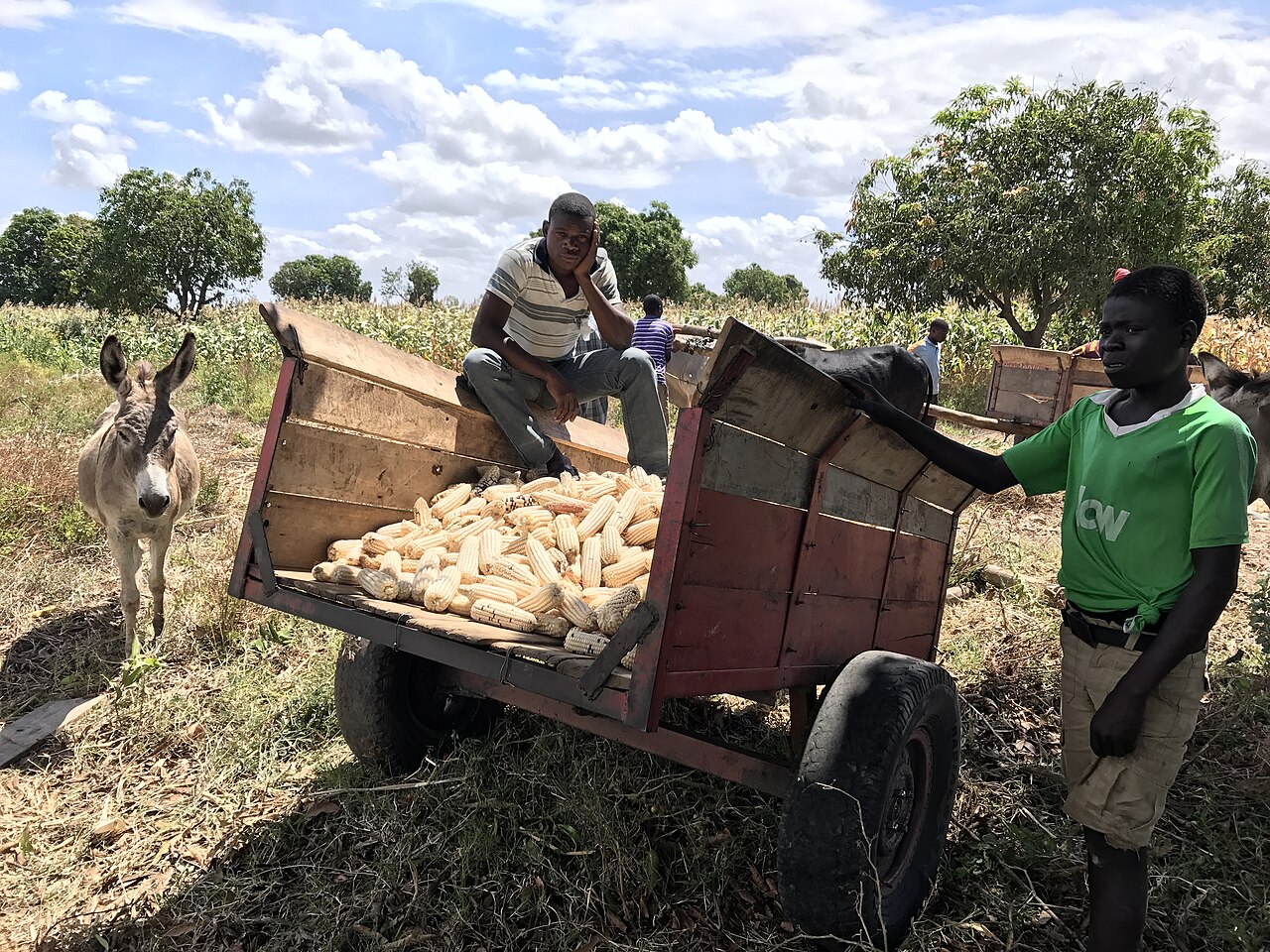
WFP Country Director Hyoung-Joon Lim pointed to early results from WFP's Zero Hunger Initiative, a pilot that gives maize seed to vulnerable smallholder farmers in 14 villages. "People who used to harvest three or five bags have now harvested more than 15 bags," he said. Families whose food used to last three or four months after harvest now have enough for 12 months or more, and some are using the surplus to buy their own seed and fertilizer.
Officials hope the new agreement will bring the program to more communities. The challenge is real: Malawi still faces recurring food shortages, rising costs for farm inputs and climate shocks that hit harvests.
Namibia: a new agreement to strengthen school meals
Namibia and WFP signed an agreement in Windhoek on Monday, 16 November, to strengthen school meal programs, help smallholder farmers and improve the country's response to food emergencies, Xinhua reported. I-Ben Natangwe Nashandi, executive director of the National Planning Commission, and James Kingori, head of WFP's office in Namibia, signed the letter of understanding to carry out WFP's 2025-2029 country strategic plan.
WFP is helping Namibia run its Home-Grown School Feeding Program, which buys fresh produce directly from local smallholder farmers to serve nutritious school meals. Nashandi said community and household gardens could supply vegetables to schools and local markets, giving growers a source of income. Under the plan, WFP will also help with emergency preparedness, support farmers as they adapt to climate shocks, and provide technical and supply chain support.
Nashandi was candid about the gaps: some school meal programs still face basic problems, with some pupils lacking eating utensils and volunteer cooks working without adequate shelter or a reliable supply of firewood.
Why it matters
These three stories show the full range of the fight against hunger: fast emergency food for families forced from their homes, and the slower, steadier work of helping farmers grow more and getting nutritious meals to children at school. The common thread is local: food grown by nearby farmers, delivered with national governments and local partners in the lead. Each effort still depends on steady funding and follow-through to reach everyone who needs it.
Learn more
- UN News: 'Hunger should not be a concern': WFP steps in for families in Kenya who fled Ethiopia violence
- Nyasa Times: Ben Phiri calls for food self-sufficiency in new WFP partnership
- Xinhua: Namibia, WFP sign agreement on school meals, food security
Sources: UN News, "'Hunger should not be a concern': WFP steps in for families in Kenya who fled Ethiopia violence," 17 November 2026; Nyasa Times, "Ben Phiri calls for food self-sufficiency in new WFP partnership," 17 November 2026; Xinhua, "Namibia, WFP sign agreement on school meals, food security," 16 November 2026.
How you can help
These groups work on the issues in today's stories:
- Kenya Red Cross Society responds to emergencies across Kenya and is one of WFP's partners in the response in Moyale.
- One Acre Fund helps smallholder farmers in Malawi and other African countries get quality seed, training and support to grow bigger harvests.
- Namibia Red Cross Society helps Namibian communities prepare for and recover from droughts and other disasters, including food support.
💬 0 replies
Sign in to reply.