
"Restoring Land Is Restoring Opportunities": Mali's Moringa Pioneer Wins a UN Changemaker Award
A woman who has spent years turning tired, dry farmland in Mali back into productive ground has won one of the United Nations' top honors for grassroots action. Rokiatou Traoré, founder of the social enterprise Herou Alliance, was named the winner of the 2026 UN SDG Action…
Show moreShow less
A woman who has spent years turning tired, dry farmland in Mali back into productive ground has won one of the United Nations' top honors for grassroots action. Rokiatou Traoré, founder of the social enterprise Herou Alliance, was named the winner of the 2026 UN SDG Action Changemaker Award at a ceremony in Rome on 29 October, Mongabay reported on 5 November.
The awards, run by the UN SDG Action Campaign, drew more than 7,000 applicants this year, with nine finalists and three winners. Traoré, whom some call the "Moringa Queen," was honored for an agroforestry model that grows seedlings, trains farmers and plants trees, creating income for women and young people as it heals the land.
"I work in Mali, where lands are becoming drier every year. Many farmers struggle with degraded soil, smaller harvests, and fewer economic opportunities," Traoré said at the ceremony. "Restoring land is restoring opportunities."
Trees that pay their way
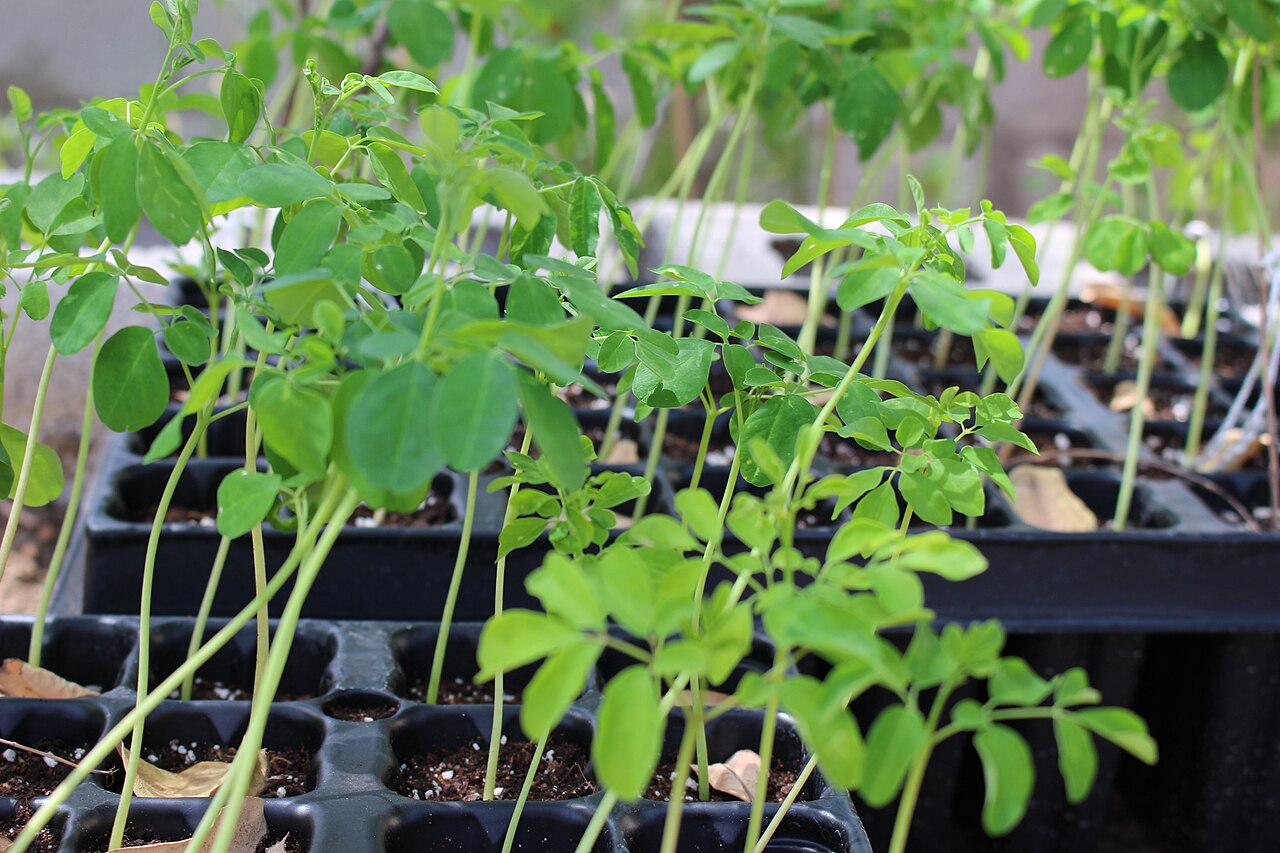
Since 2021, Herou Alliance has built its work around the moringa tree, a fast-growing plant native to South Asia that is now widely grown across Africa. Its leaves, flowers and seeds are processed into herbal tea, powder, honey, soap, spices and dietary supplements for local, regional and international buyers, giving farmers a reason to plant and care for trees.
According to Herou Alliance, it has planted more than 150,000 moringa and baobab trees and trained over 2,000 smallholder farmers, most of them women and young people. In her acceptance speech, Traoré set out the next goal: "We aim to plant 10 million trees to empower 15,000 smallholder farmers."
A big problem, and an honest picture
The scale of the challenge is large. According to the UN Convention to Combat Desertification, 11.58 million hectares of land in Mali were reported as degraded in 2019, and 6.54 million people were exposed to land degradation.
Moringa is not a cure-all. Mongabay notes that there is not yet enough research on how well moringa performs in reforestation programs across the Sahel, and the results Herou Alliance reports have not been independently assessed. Restoring land at the scale Mali needs will take sustained support, good science and many partners working alongside farming communities.
Why it matters
When land dries out, families lose harvests, income and hope. Projects that make trees valuable to the people who plant them can bring shade, soil and jobs back together, and Traoré's award shines a light on the local leaders, often women, who are doing this work every day. As her award profile puts it, in her own words: "I dream of a Sahel where trees cover the land."
Learn more
- Mongabay: Mali's "Moringa Queen" wins UN recognition for restoring degraded land
- UN SDG Action Awards: Rokiatou Traoré
- UN SDG Action Awards: 2026 ceremony
Sources: Mongabay, "Mali's 'Moringa Queen' wins UN recognition for restoring degraded land," 5 November 2026; UN SDG Action Awards, "Rokiatou Traoré," 2026; UN Web TV, 2026 Heroes of Tomorrow: UN SDG Action Awards Ceremony transcript, 29 October 2026.
How you can help
These organizations work to restore land and support farming families in Mali and the wider Sahel:
- Tree Aid works with communities in Mali and across Africa's drylands to grow trees, restore land and build livelihoods from tree products.
- Trees for the Future trains smallholder farmers in Mali and other Sahel countries to plant "forest gardens" that restore soil and raise incomes.
- Catholic Relief Services helps farming families in Mali strengthen their harvests and resilience to drought and hardship.
💬 0 replies
Sign in to reply.