
Bracing for a Super El Niño: Manila Water Readies 33 Reservoirs to Keep Taps Running
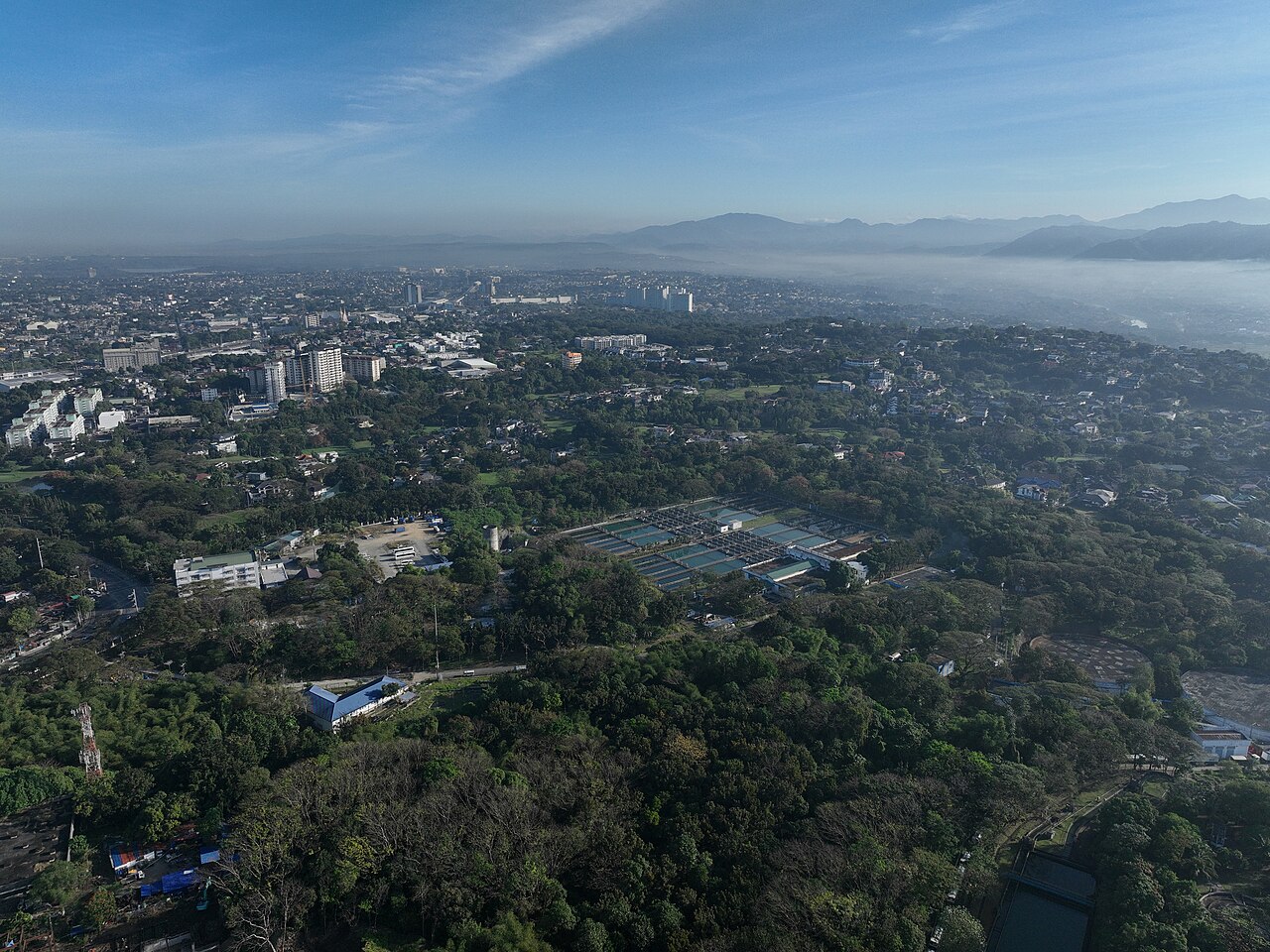
As the Philippines braces for what forecasters are calling a "Super El Niño," the company that supplies water to Metro Manila's East Zone says it has put all 33 of its reservoirs on heightened drought preparedness. Manila Water announced the step on Monday, 9 November, the Daily…
Show moreShow less
As the Philippines braces for what forecasters are calling a "Super El Niño," the company that supplies water to Metro Manila's East Zone says it has put all 33 of its reservoirs on heightened drought preparedness. Manila Water announced the step on Monday, 9 November, the Daily Tribune reported, as a prolonged dry spell threatens to strain supplies and push up demand across the capital region and nearby provinces through the first half of 2027.
Together, the reservoirs can hold 557 million liters of treated water. They store treated water and send it out across service areas according to demand.
The announcement came four days after the national weather bureau, PAGASA, said on 5 November that a very strong El Niño is now present in the tropical Pacific, according to Rappler.
What is being done
Preparations include checking reservoir conditions, monitoring water levels and inspecting equipment. Among the company's major facilities are the 111-million-liter N. Domingo Reservoir and the 25-million-liter Balara Reservoir in Quezon City, and the 20-million-liter Maguey Reservoir in Antipolo City.
The company is also diversifying its sources to depend less on the Angat-Ipo-La Mesa system. Its other sources include the Cardona Water Treatment Plant (100 million liters a day), East Bay Phase 1 (50 million liters a day) and the Calawis Water Treatment Plant (80 million liters a day). Two upcoming plants, East Bay Phase 2 and Kaysakat, are designed for 200 and 220 million liters a day.
Fixing leaks matters too. Manila Water says it keeps its non-revenue water, the water lost before it reaches a paying customer, below 15 percent through leak detection, repairs and network monitoring, so more treated water reaches homes.
"Our reservoirs, additional water sources, and continuing efforts to reduce system losses all work together to help us manage available supply more efficiently," said Dittie Galang, head of Manila Water's Communications Affairs Department, as quoted by the Daily Tribune.
A long dry season ahead
PAGASA expects below-normal to way-below-normal rainfall in most of the country this month. Metro Manila is among the areas that could be in a dry spell by the end of November, and by March 2027 virtually the entire country may face drought, Rappler reported. The El Niño may peak around the end of 2026 but persist into the first half of 2027.
"The public and all concerned agencies are strongly advised to implement appropriate sectoral interventions, conservation and mitigation measures, particularly water conservation and efficient management of water resources, to minimize the potential impacts of El Niño," PAGASA Administrator Nathaniel Servando said in a statement quoted by Rappler.
Beyond the capital, PAGASA has said most of the Visayas and Mindanao can expect prolonged dry spells or drought, GMA News reported, and the public has been advised to start storing and conserving water. Manila Water is asking its own customers to use water carefully, fix household leaks and report pipeline leaks through its Hotline 1627.
Why it matters
Safe water at the tap protects health and keeps schools and clinics running. Preparing storage, new sources and leak-free pipes before the driest months is far easier than responding once taps run low, and every household that saves a little water helps the supply last.
Learn more
- Daily Tribune: Manila Water Prepares 33 Reservoirs for El Niño Drought to Safeguard Supply
- Rappler: El Niño now very strong, impacts to be felt until 2027
- GMA News: PAGASA: 12 areas to experience drought in November amid El Niño
Sources: Daily Tribune, "Manila Water Prepares 33 Reservoirs for El Niño Drought to Safeguard Supply," 9 November 2026; Rappler, "El Niño now very strong, impacts to be felt until 2027," 5 November 2026; GMA News, "PAGASA: 12 areas to experience drought in November amid El Niño," 22 October 2026.
How you can help
These organizations help families in the Philippines get through droughts and disasters with safe water and support.
- UNICEF Philippines works with the government and partners to protect children's access to safe water, sanitation and hygiene, including during emergencies.
- Philippine Red Cross responds to disasters across the country, bringing relief such as safe drinking water and hygiene support to affected communities.
- CARE Philippines has published an El Niño 2026–27 situation and action report setting out who is most exposed and what can be done before the driest months.
💬 0 replies
Sign in to reply.