
Tiny Magnets, More Natural Movement: MIT Tracks Muscles to Help Control Prosthetic Limbs
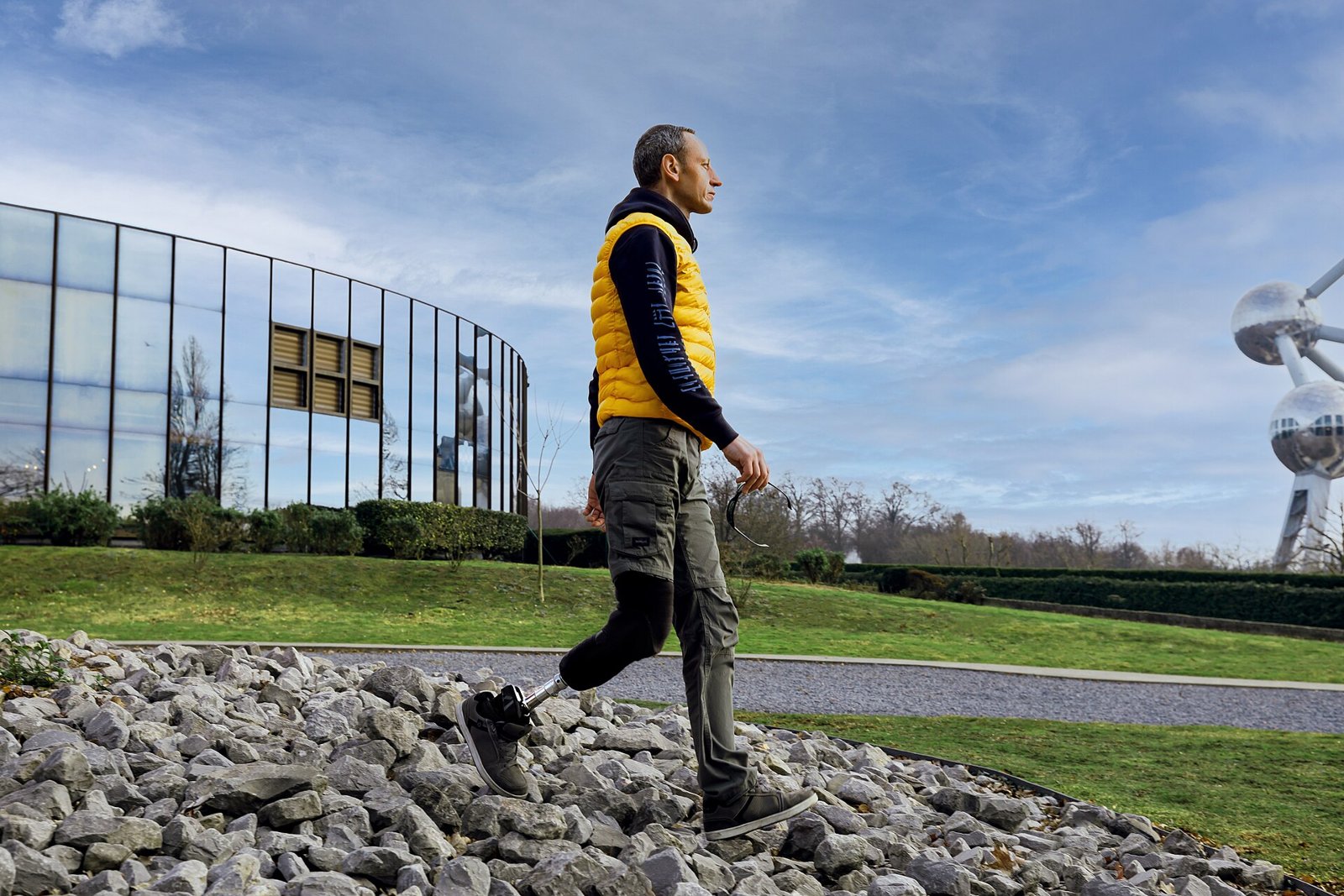
For people living with an amputation, a prosthetic limb works best when it responds the way a natural limb would. Researchers at MIT have reported a promising step toward that goal, using magnetic beads about the size of a sesame seed to track muscle movement with new precision,…
Show moreShow less
For people living with an amputation, a prosthetic limb works best when it responds the way a natural limb would. Researchers at MIT have reported a promising step toward that goal, using magnetic beads about the size of a sesame seed to track muscle movement with new precision, according to MIT News.
Why a new approach was needed
For decades, many advanced prostheses have relied on electrodes on the skin to read muscle activity. MIT explains that these signals are not a perfect stand in for how a muscle actually moves. They can fade when a muscle is held still, pick up signals from nearby muscles, and be disrupted by sweat. For a prosthetic leg, that uncertainty matters for safety.
How it works
The technique, called magnetomicrometry, places pairs of small magnets in a muscle. As the muscle stretches or contracts, a sensor worn over the skin measures the changing distance between them, revealing the muscle's length and speed. The beads are 3 millimetres across, coated to be compatible with the body, and can be read from up to 6 centimetres beneath the skin.
"This interface is minimally invasive, so it could be accessible to more people," said Christopher Shallal, an MIT graduate student and co-lead author. "You place two beads in the muscle and you have access to all of this rich information about the muscle dynamics."
In the study, published in Nature Sensors, three participants with below-knee amputations used their muscle movements to guide a cursor on a screen, a stand in for controlling a robotic ankle. The researchers compared the magnets with implanted and skin electrodes, and Shallal said the results suggest the magnet-based approach can offer more accurate and stable control. The surgeries were carried out at Brigham and Women's Hospital.
What comes next
The team, led by Professor Hugh Herr, is now running a larger study to see how well people can control actual prosthetic limbs with these measurements, and hopes the method will enable commercial development.
Why it matters
Walking with confidence on uneven ground, or picking up a cup without thinking twice, are freedoms most of us never notice. Research like this brings those everyday moments closer for people who have lost a limb, and it does so in a way designed to reach more people, not fewer.
Learn more
- Read the MIT News article.
Source: MIT News, "Magnetic sensors track muscle movement, for better prosthetic limb control," 29 October 2026.
💬 0 replies
Sign in to reply.