
A Teacher Who Travels to the Ger: Bringing Preschool to Mongolia's Nomadic Children
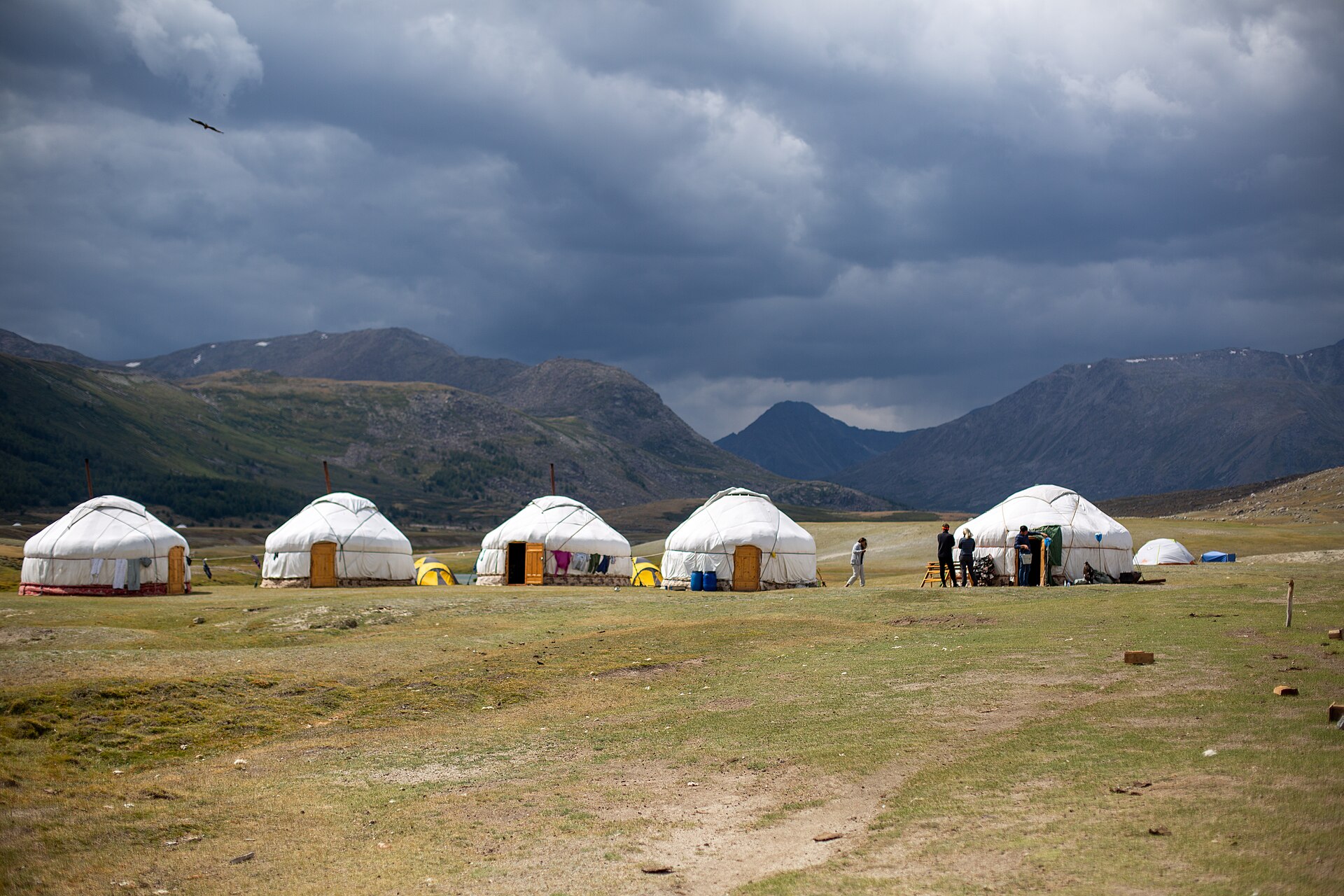
For four year old Buyan, school does not mean leaving home. He lives with his herding family in Senjit bagh, in Mongolia's Bayankhongor province, about 700 kilometres from the capital, Ulaanbaatar. Kindergarten is far away, the weather is harsh and his family moves with the…
Show moreShow less
For four year old Buyan, school does not mean leaving home. He lives with his herding family in Senjit bagh, in Mongolia's Bayankhongor province, about 700 kilometres from the capital, Ulaanbaatar. Kindergarten is far away, the weather is harsh and his family moves with the seasons. So his teacher comes to him, carrying a tablet.
His story, shared by UNICEF Mongolia on 28 October, describes the Teacher with a Tablet initiative, launched in 2023 by UNICEF Mongolia and the Ministry of Education. A visiting teacher from the nearest kindergarten helps children build early literacy, numeracy, communication and social and emotional skills, using activities aligned with the national preschool curriculum.
Learning woven into family life
"I love learning at home with my teacher. She shows me interesting things on her tablet," Buyan says. His mother, Ganaa, worried that missing preschool could affect his readiness for school. "We have learned to turn simple everyday tasks into meaningful learning opportunities for our child," she explains. Counting household objects, telling stories and playing together continue long after the teacher leaves.
His father, Ganbaatar, sees education and heritage as partners rather than rivals. "My family has been engaged in nomadic herding for over 100 years," he says, adding that he is happy to be raising a new generation of educated, modern herders.
Teachers who go the distance
Hajidsuren, a visiting teacher in Senjit bagh, works with 15 children this year. Last year she travelled more than 2,000 kilometres to reach 21 children, visiting each at least twice a month. "Every visit brings learning closer to children and gives families the guidance and support they need," she says.
According to UNICEF, more than 550 teachers have been trained in home based learning and tablet assisted lessons over the past two years, and the initiative has reached more than 14,500 children in remote communities.
There is real wisdom in this approach. Instead of asking families to give up their way of life for a child's education, it brings education into the life they already have. Geography, as UNICEF puts it, should not decide a child's chance to learn and thrive.
Learn more
- Read Buyan's story from UNICEF Mongolia.
- Support early childhood education programmes that reach rural and mobile families.
- Share stories of teachers who make learning possible in remote places.
Source: UNICEF Mongolia, "Bringing Early Learning Closer to Mongolia's Nomadic Children," 28 October 2026.
💬 0 replies
Sign in to reply.