
Schools in Honduras's Mosquitia Will Serve Fresh, Locally Grown Food for the First Time
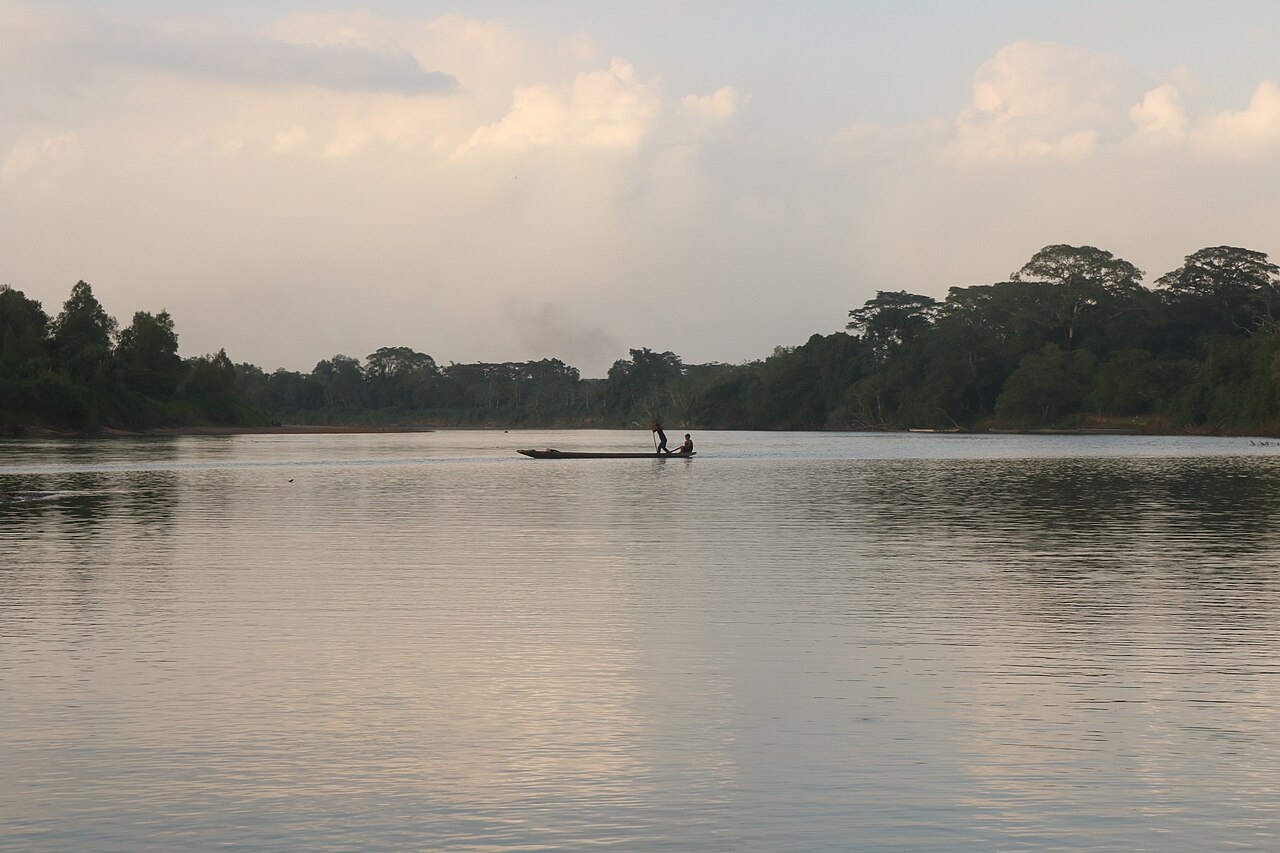
Food and nutrition. In the Mosquitia, a remote corner of eastern Honduras, Indigenous families grow much of their own food and fish for a living. Yesterday the national broadcaster reported on an 8.5 million dollar project helping at least 4,000 people there grow more rice, roots and tubers, and raise fish. Children will notice the change at school. For the first time, more than 300 schools in the region will serve fresh food grown nearby, with the World Food Programme helping. You can back school meals like these through World Food Program USA, at w f p u s a dot org. Thirty local community members have also trained as farming advisers, ready to share what they learned with farmers, families and teachers.
The project is run by Honduras's Secretariat of Agriculture and Livestock (SAG) through its Rural Competitiveness Project, ComRural, with a grant from the Global Agriculture and Food Security Program (GAFSP), Televisión Nacional de Honduras reported on 27 November. GAFSP is administered by the World Bank, according to Estrategia & Negocios. René Amador, who coordinates SAG-ComRural, said the money will fund 60 business plans to improve farm production, add value to crops and expand fish farming linked to small-scale fishing, along with 30 community plans focused on family farming, nutrition and hygiene. The people taking part live in the department of Gracias a Dios.
The school meals part is the newest piece. When the investment was announced in September, SAG explained that school meals in the area are mostly dry rations, and that ComRural was preparing a pilot so local farmers could supply fresh food to schools. Now the World Food Programme is supporting this work, with the Ministries of Education and Health taking part; the Health Ministry checks the nutritional value of the food children receive. Nationwide, WFP says it supports Honduras's school meals programme, which combines dry rations with fresh produce bought from local smallholder farmers.
The 30 advisers are leaders and collaborators from Miskito communities, trained with WFP and Zamorano University through theory-and-practice sessions and field visits. They will pass on what they learned about farming, nutrition and hygiene to farmers, families and teachers, as well as 150 territorial leaders and more than 500 schoolchildren.
The need is real. A World Bank feature from 2023 put multidimensional poverty in the Moskitia at 71.8 percent, above the national average of 67.2 percent, and said 43 percent of people there lacked reliable access to affordable, nutritious food. Plantain, cassava and rice are the region's main crops. As Dolly Díaz, President of the Council of Elders of Gracias a Dios, told the World Bank, "The development that does not consider our ancestors and our practices is not the right one." Across Honduras, WFP reports that one in four children under five suffers from chronic malnutrition, and that the 2026–2027 El Niño has brought long dry spells that have hurt harvests, especially in the country's Dry Corridor.
Who is working on this
- World Food Program USA: raises support in the United States for the World Food Programme, which is helping bring locally grown food to more than 300 Mosquitia schools.
- Zamorano University: the agricultural university worked with WFP to train the 30 Miskito community advisers.
- Ayuda en Acción: carried out an earlier World Bank-supported project with Miskito communities in La Moskitia, helping families build on traditional farming and fishing to grow and diversify their food.
Learn more
- Televisión Nacional de Honduras: Gobierno destina $8.5 millones impulsando la seguridad alimentaria en La Mosquitia
- SAG Sala de Prensa: SAG ComRural destina $8.5 millones para impulsar el desarrollo en La Mosquitia
- World Bank: Betting on sustainability in the Moskitia, in Honduras, to create new livelihoods
- World Food Programme: Honduras
- Estrategia & Negocios: Impulsan proyecto agroalimentario y nutricional en La Mosquitia hondureña
This story was featured in today's Humanitarian Explorer podcast. Sources: Televisión Nacional de Honduras, "Gobierno destina $8.5 millones impulsando la seguridad alimentaria en La Mosquitia," 27 November 2026; SAG Sala de Prensa, "SAG ComRural destina $8.5 millones para impulsar el desarrollo en La Mosquitia," 2 September 2026; World Bank, "Betting on sustainability in the Moskitia, in Honduras, to create new livelihoods," 24 April 2023; World Food Programme, "Honduras" country page; Estrategia & Negocios, "Impulsan proyecto agroalimentario y nutricional en La Mosquitia hondureña," 31 October 2023.
How you can help
You can help children and farming families in places like the Mosquitia eat well by supporting these organizations.
- World Food Program USA: Your gift supports the World Food Programme's school meals and nutrition work, including in Honduras.
- Ayuda en Acción: Supports children, young people and families, and has worked with Miskito communities on farming and fishing.
- Zamorano University: An agricultural university that, with WFP, trained the new community advisers in the Mosquitia.
💬 0 replies
Sign in to reply.