
"The Doctors Have Now Helped Me Understand": Inside a Port Sudan Ward Fighting Child Malnutrition
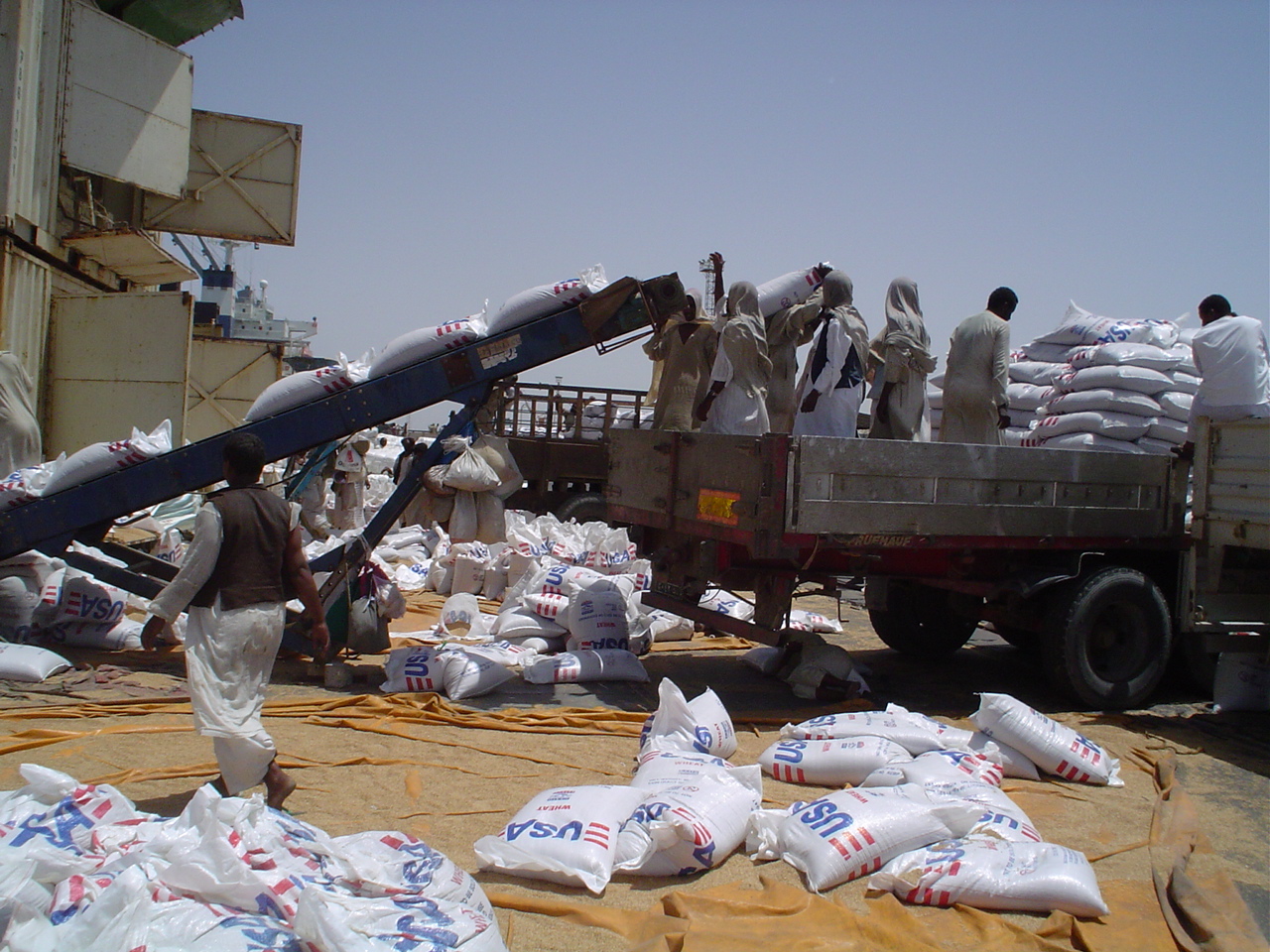
When five-year-old Adam stopped eating and grew too weak to move, his mother, Layla Ali, made a two-and-a-half-hour journey from the village of al-Lalouba to Port Sudan Teaching Hospital. He spent five days there being treated for severe malnutrition. As Al Jazeera reported on 7…
Show moreShow less
When five-year-old Adam stopped eating and grew too weak to move, his mother, Layla Ali, made a two-and-a-half-hour journey from the village of al-Lalouba to Port Sudan Teaching Hospital. He spent five days there being treated for severe malnutrition. As Al Jazeera reported on 7 November 2026, she went home with more than a recovering son: she went home knowing how to feed him.
"When Adam became ill, he would stop eating. I used to give him the usual meals we prepared at home, mostly porridge and milk," she told Al Jazeera. "But the doctors have now helped me understand which foods are appropriate for his age and the nutrients he needs."
Her story is one small window into a very large crisis. Sudan's civil war, which began in April 2023, has now been joined by drought, and doctors and nutrition counsellors are working to keep up with a steady rise in children arriving with severe malnutrition.
Care that is free, in a ward that is full
At Port Sudan Teaching Hospital, staff assess each child and provide therapeutic milk and other nutrition supplies free of charge, with support from the World Health Organization and UNICEF, nutrition counsellor Maryam Gadalsid told Al Jazeera. The hospital recorded 433 malnutrition cases between January and August this year.
The need is outgrowing the space. Gadalsid said the 17-bed malnutrition unit sometimes holds three children to a bed, which raises the risk of disease spreading. Intravenous fluids and medicines still cost money that many families do not have, and she warned that cases tend to rise with the onset of winter.
The paediatric department's medical director, Dr Ahmed Youssef, said that teaching families about nutrition is the first step. "We are working to provide families of children with malnutrition with basic nutrition education as a first step towards tackling the problem. However, we face difficulties reaching villages to deliver healthcare and raise awareness," he said. Many rural families rely largely on flour and milk, and many bring children in only when malnutrition is already advanced.
A national effort, and a growing need
Across Sudan, UNICEF and its partners screened 5.3 million children for acute malnutrition and treated 174,700 children with severe acute malnutrition in the first six months of 2026, according to UNICEF's mid-year situation report.
The scale of what remains is sobering. In May, FAO, WFP and UNICEF warned that nearly 19.5 million people in Sudan face acute food insecurity and that more than 825,000 children are at risk of severe acute malnutrition in 2026. According to the Integrated Food Security Phase Classification (IPC), cited by Al Jazeera, that is a 7 percent rise on 2025.
Drought, displacement and hard choices
Reduced rainfall linked to El Niño has brought drought to roughly half the country, and the IPC warns of a growing risk of famine in parts of Greater Darfur and Greater Kordofan. In al-Karama 3, a camp for displaced families in Blue Nile State, camp official Sabri Adam told Al Jazeera that malnutrition cases rose from 1,800 in September to 2,116 in November. Earlier this month, the Red Crescent gave eligible households in the camp cash support worth about $60 each.
Why it matters
Severe malnutrition can be treated, and a child who recovers can go on to grow and learn. What makes the difference is reaching children early, keeping therapeutic food in stock, and giving parents the knowledge to prevent a relapse at home. The staff in Port Sudan are doing all three, but they cannot do it alone.
Learn more
- Al Jazeera: Sudan war and climate change see parents struggle to feed their children
- UNICEF Sudan Humanitarian Mid-Year Situation Report 2026
- UNICEF: Risk of famine persists as nearly 19.5 million people face acute food insecurity in Sudan
Sources: Al Jazeera, "Sudan war and climate change see parents struggle to feed their children," 7 November 2026; UNICEF, "UNICEF Sudan Humanitarian Mid-Year Situation Report 2026," 9 August 2026; UNICEF, "Risk of Famine persists as nearly 19.5 million people face acute food insecurity in Sudan," 15 May 2026.
How you can help
These organisations work to prevent and treat child malnutrition in Sudan:
- UNICEF Sudan screens children for malnutrition and supplies therapeutic food and treatment with partners across the country.
- Save the Children runs health and nutrition services for children and mothers in Sudan.
- Action Against Hunger responds to hunger and malnutrition in Sudan's hardest-hit areas.
💬 0 replies
Sign in to reply.