
Home After the Fire: Rescued Endangered Crayfish Return to a Victorian High Country Stream
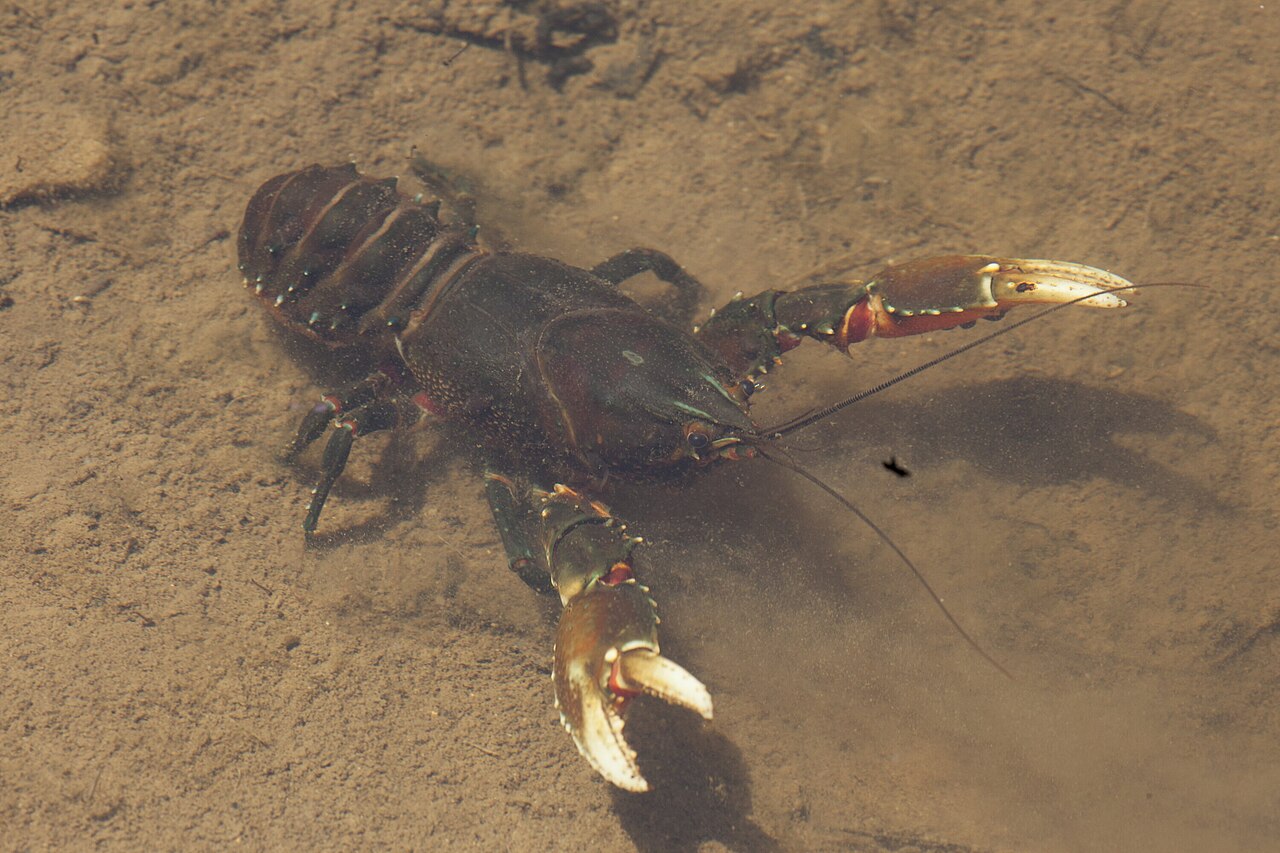
Months after bushfires tore through Victoria's High Country in January, a group of endangered alpine spiny crayfish has been carried back to the stream they came from near Lucyvale, in north-eastern Victoria, Australia. ABC News reported the homecoming on 7 November, as two…
Show moreShow less
Months after bushfires tore through Victoria's High Country in January, a group of endangered alpine spiny crayfish has been carried back to the stream they came from near Lucyvale, in north-eastern Victoria, Australia. ABC News reported the homecoming on 7 November, as two scientists picked their way through fire-scarred bushland that is slowly coming back to life.
In the immediate aftermath of the fires, scientists salvaged 11 of the crayfish from a stream where debris and sediment put them at risk of suffocating. "If they aren't rescued they can disappear from these areas," Will Sowersby, a senior scientist at the Arthur Rylah Institute, told the ABC.
The crayfish spent the following months at the Snobs Creek conservation hatchery near Eildon, run by the Victorian Fisheries Authority, until water quality in their home stream improved. It was the first time this endangered species had ever been kept in captivity.
A new kind of guest
Caring for them was a learning curve. "They are a bit feisty so we have had to separate them, and we have kept them separate this whole time because they will attack each other," said Dylan White, the hatchery's senior conservation hatchery officer. Alpine spiny crayfish live in small, isolated pockets of habitat and do not move far, which makes them hard to find and especially vulnerable when a single stream is damaged.
They are not the only survivors in the hatchery's care. More than 100 Macquarie perch and trout cod, rescued from Seven Creek after the Longwood bushfire, have already been released. The hatchery also looks after a type of galaxias fish that now survives in only one tributary of the La Trobe River, and critically endangered blackfish rescued after fires in the Grampians. The Victorian and Australian governments funded the $2.8 million hatchery after the 2019–20 bushfires, specifically to protect vulnerable freshwater species.
What still needs to be done
The Walwa-River Road bushfire burned around 121,000 hectares, and the High Country is still recovering. Conservationists hope the alpine spiny crayfish can be included in a future captive breeding programme at Snobs Creek, to bolster numbers and spread the species across more places.
With another summer on the horizon, Sowersby expects the work to continue. "We know that bushfires are increasing in their frequency and their intensity," he said, adding that rescuing species after fires and establishing new populations will become more and more important to guard against extinction.
Why it matters
Freshwater animals can quietly vanish after a fire, long after the flames are gone, as ash and sediment choke small streams. A quick rescue, patient care and a safe return give species that live in only a few places a real chance to survive in a hotter, more fire-prone world.
Learn more
- ABC News: Endangered crayfish rescued from Victorian bushfires by conservationists returned home
- Premier of Victoria: Hatching a plan to protect native fish populations
Sources: ABC News, "Endangered crayfish rescued from Victorian bushfires by conservationists returned home," 7 November 2026; Premier of Victoria, "Hatching A Plan To Protect Native Fish Populations," 11 August 2022.
How you can help
You can support Australian groups that restore rivers, streams and bushland for wildlife:
- OzFish Unlimited is Australia's fish habitat charity, bringing fishers and locals together to restore the waterways native fish depend on.
- Landcare Australia supports local community groups caring for land and water, and offers guidance for communities affected by bushfires.
- Bush Heritage Australia buys, restores and protects natural landscapes and the native species that live in them across the continent.
💬 0 replies
Sign in to reply.