
Meals to Learn On: Sierra Leone Commits $6.6 Million to Feed 276,000 Schoolchildren
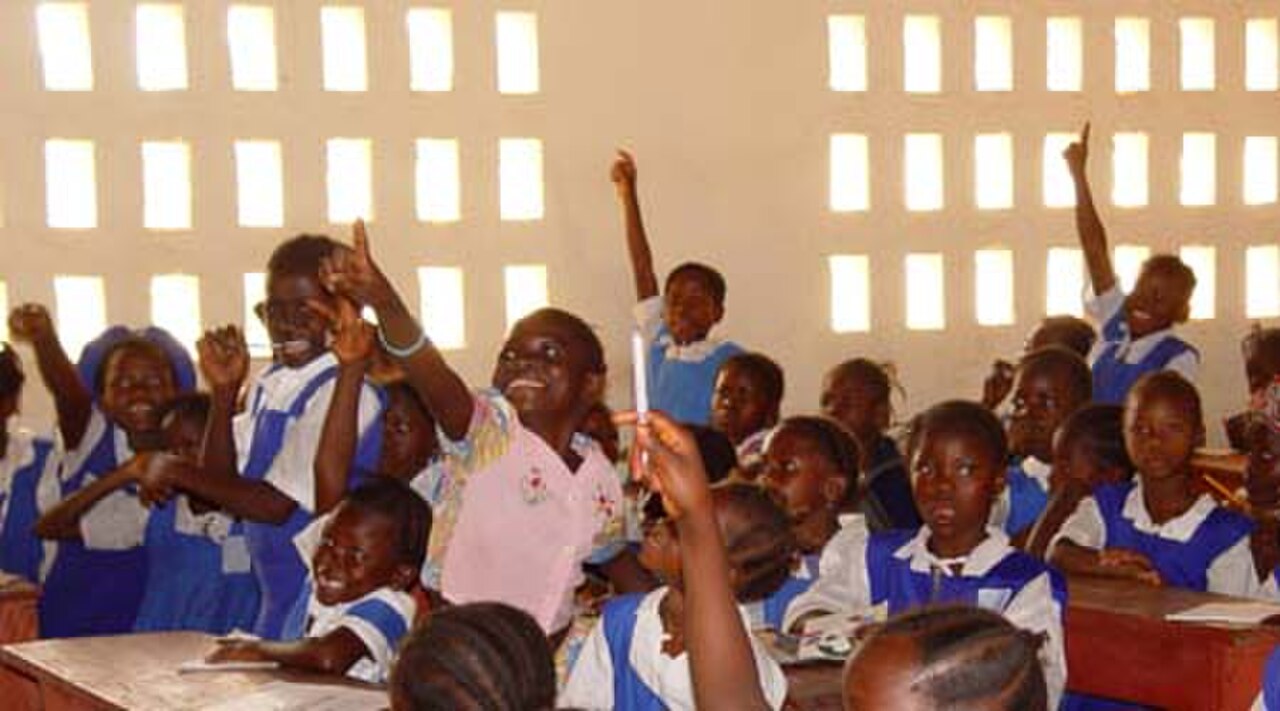
Sierra Leone's government has put about US$6.6 million into school meals, promising daily hot food to more than 276,000 schoolchildren in the 2026/2027 school year. The commitment, announced on 3 November 2026, was reported by the UN World Food Programme (WFP), which will…
Show moreShow less
Sierra Leone's government has put about US$6.6 million into school meals, promising daily hot food to more than 276,000 schoolchildren in the 2026/2027 school year. The commitment, announced on 3 November 2026, was reported by the UN World Food Programme (WFP), which will support the programme.
The money, SLE 158.4 million, comes from the Ministry of Basic and Senior Secondary Education and goes to the National School Feeding Programme. It is a visible sign that the country is taking ownership of a programme that has long relied on partners.
Growing from last year
According to WFP, more than 257,000 children in over 1,200 schools received daily meals in the 2025-2026 school year. The new target of more than 276,000 would mean thousands more children at the table.
WFP's role is to provide technical, operational and logistical support. In other words, the government funds the meals and WFP helps with the practical work of getting them cooked and served.
Meals that help local farmers too
The partnership is aligned with the government's Feed Salone Strategy and promotes buying food locally from smallholder farmers. WFP says the school meals programme opened up market opportunities for more than 22,000 smallholder farmers in 2025-2026, with the aim of strengthening rural economies and farming livelihoods.
That link matters. When a school buys beans, rice or vegetables from nearby growers, the same money feeds children and gives farming families a reliable buyer.
"Through the National School Feeding Programme, we are helping learners stay in school."
That was the message from Education Minister Conrad Sackey, according to WFP, who said the programme also improves learning and creates opportunities for local farmers. WFP's Representative and Country Director in Sierra Leone, Andrew Odero, said: "By investing in school meals, Sierra Leone is investing in its children and its future." He added that WFP remains committed to a sustainable, nationally owned programme.
What still needs to be done
The announcement is a commitment for the coming school year, not proof of results. The WFP release does not say how many children in Sierra Leone remain outside the programme, so the full scale of the remaining need is not clear from this announcement. Keeping meals reliable, buying food on time from local farmers and sustaining funding year after year will be the real test of a "nationally owned" programme.
Why it matters
A daily meal can help children concentrate, stay in school and grow well, and when the food is bought locally it also supports the farmers who grow it. A government paying for its own school meals is a step toward a programme that can last.
Learn more
- WFP: The Government of Sierra Leone and WFP reaffirm their partnership to provide daily meals to more than 276,000 schoolchildren
- fundsforNGOs News: Sierra Leone and WFP commit SLE 158.4 million to feed 276,000 schoolchildren in 2026/2027
Sources: World Food Programme, "The Government of Sierra Leone and WFP reaffirm their partnership to provide daily meals to more than 276,000 schoolchildren," 3 November 2026; fundsforNGOs News, 5 November 2026.
How you can help
These established organisations work on child nutrition and food security, including in Sierra Leone:
- UNICEF Sierra Leone works to improve children's health and nutrition in the country.
- Action Against Hunger treats and prevents child malnutrition and supports families' access to food in many countries.
- Welthungerhilfe supports food security and small-scale farming communities, including in Sierra Leone.
💬 0 replies
Sign in to reply.