
Rural Sindh Wins $300 Million for Clean Water, Syria Races to Stop Polio and Honduras Moves to Save Its Largest Reserve
Today's roundup travels from the villages of rural Sindh in Pakistan to the dry hills of eastern Guatemala, the rangelands of Kenya's Laikipia County, the Euphrates valley in eastern Syria and the rainforests of northeastern Honduras. In each place, people are putting money,…
Show moreShow less
Today's roundup travels from the villages of rural Sindh in Pakistan to the dry hills of eastern Guatemala, the rangelands of Kenya's Laikipia County, the Euphrates valley in eastern Syria and the rainforests of northeastern Honduras. In each place, people are putting money, hands and hard-won lessons to work on problems that will not solve themselves.
💧 Clean Water: Rural Sindh wins $300 million for safe water and sanitation
The World Bank has approved a $300 million loan for a 10-year clean water and sanitation program in rural Sindh, Pakistan, SAMAA TV reported on November 14. The program aims to improve living conditions for about 1.5 million people by installing solar-powered water supply systems, building modern drainage and sanitation, and taking steps to keep household water free from contamination, with a goal of cutting contamination levels in half.
The stakes are high for children. According to the World Bank, more than half of children under five in rural Sindh are stunted, and dirty water and poor sanitation are major drivers of diarrhea and malnutrition. The first of four phases is expected to cost $540 million, with the World Bank providing $300 million, the Asian Development Bank $150 million and the Sindh government $90 million. The program is also expected to create more than 14,000 jobs.
The long-term target is to bring professional water and sanitation services to 80 percent of rural Sindh's population. That will take steady funding and good management across all four phases, well beyond this first approval.
How you can help: WaterAid Pakistan works with communities and local governments across Pakistan to bring lasting clean water, decent toilets and good hygiene.
🌾 Food and Nutrition: Guatemala's village grain banks help families get ahead of drought
In Camotán, in Guatemala's Chiquimula Department, families are preparing for drought before it turns into hunger, UN News reported on November 14. With funding from the UN's Central Emergency Response Fund, the World Food Programme (WFP) supplied the first stock of maize and beans for a community grain bank. Residents now run it themselves, buying, selling and restocking grain kept in tall blue silos. Before, a trip to the municipal market for maize and beans took about an hour and cost around 70 quetzales (about $9). Now most of the hamlet's 200 families buy grain minutes from home.
Local teacher and community organizer Marta Ávalos keeps one of the hamlet's two grain banks in her own home. "Families are making the most of what they receive. Before, that mindset didn't exist," she told UN News. The Food and Agriculture Organization provided hens and tools, the Ministry of Agriculture supplied vegetable seeds and the municipality contributed fertilizer.
The need across Central America's Dry Corridor is still great. More than seven million people there do not have guaranteed access to food, and a strong El Niño is raising the risk of drought. WFP says its early action has reached more than 409,000 people, and more than 470,000 are now receiving food and cash assistance. Lena Savelli, WFP's regional director for Latin America and the Caribbean, put it simply: "preparing for disaster costs far less than rebuilding after."
How you can help: Action Against Hunger has worked in Guatemala since 1996, helping families prevent and treat malnutrition and cope with drought.
📚 Education Access: New classrooms open for children in Kenya's Laikipia North
Children in one of Kenya's most remote areas have a new place to learn. On Friday, November 13, Defence Cabinet Secretary Soipan Tuya opened Mouwakar Primary School in Laikipia North, one of 11 schools the Kenya Defence Forces built in the constituency following a directive by President William Ruto, Citizen Digital reported. The school has seven classrooms and an administration block.
Local leaders asked for the schools, and Laikipia North MP Sarah Korere was credited with pressing for them. The government ties the new schools to wider efforts to restore security in an area troubled by banditry, so that families can reach markets and take their children to school without disruption.
Buildings are only the first step. Korere urged parents to enroll their children and keep them in class, noting that some children in pastoralist communities are still herding livestock instead of attending school. Lasting peace, trained teachers and support for families will decide how many children fill these new classrooms.
How you can help: Educate! works with secondary schools in Kenya to give young people practical skills for life and work.
🩺 Health and Wellness: Syria launches a second polio vaccination round in Deir Ezzor
Syria's Health Ministry, working with the World Health Organization and UNICEF, launched the second round of an emergency polio vaccination campaign in the Deir Ezzor countryside on Sunday, November 15, Syria's national news agency SANA reported. Mobile teams are going door to door with oral polio vaccine to reach 49,166 children under five, whether or not they have been vaccinated before. The International Rescue Committee is funding the campaign.
The response follows three confirmed polio cases in the al-Mayadin area; the ministry reported the third on November 12. Authorities have classified the outbreak as a national public health emergency. "We are mobilizing our health cadres and working closely with local communities and partners to reach every targeted child," Health Minister Musab al-Ali said.
This three-day round covers the towns around the affected area, and a wider campaign across the whole governorate is expected to begin on November 30. WHO says halting the outbreak will also take strong disease surveillance and better routine immunization.
How you can help: The Syrian American Medical Society supports doctors, hospitals and clinics that provide care for families across Syria.
🌳 Healthy Environment: Honduras declares an emergency to protect its largest reserve
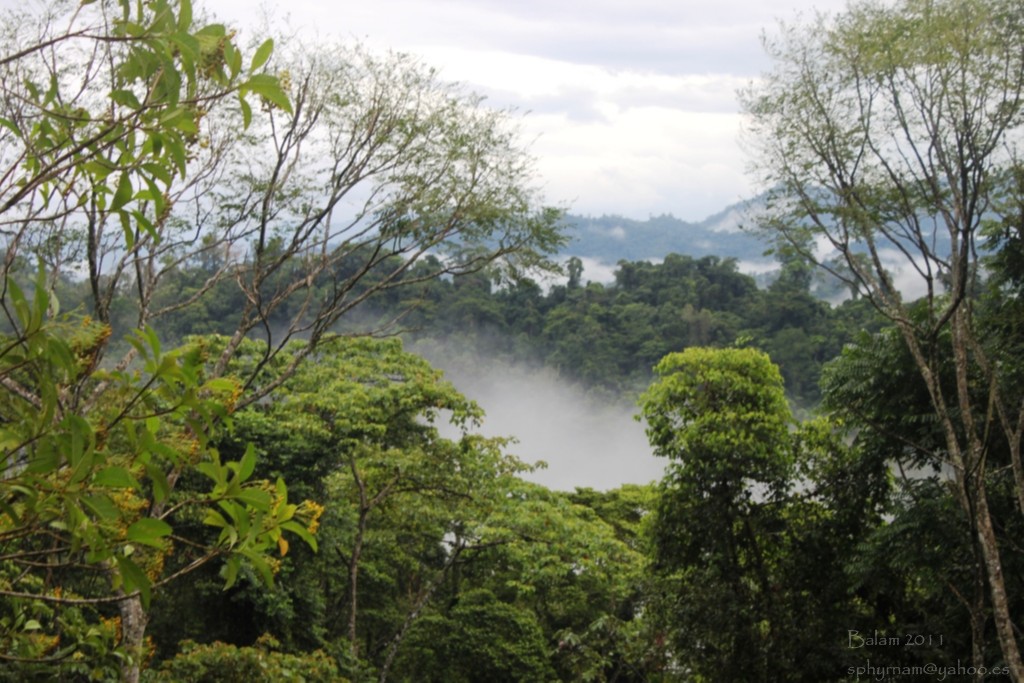
Honduras has declared a 36-month "environmental emergency" in the Río Plátano Biosphere Reserve, the country's largest protected area, Mongabay reported on November 13. The presidential decree, issued on November 10, sets aside 1.5 billion lempiras (more than $55 million) over three years to halt the reserve's deterioration.
The reserve covers more than 832,000 hectares (2 million acres) across the departments of Gracias a Dios, Colón and Olancho, and is home to Indigenous Miskito, Pech and Garífuna communities. Deforestation, cattle ranching, drug trafficking and gold mining have taken a heavy toll: at least 6,691 hectares of forest were cut between 2023 and 2025, according to the country's Forest Conservation Institute. The initiative "represents a commitment by the government to move from addressing threats to sustained intervention, with defined resources and institutional responsibilities," presidential legal adviser Roberto Zacapa said.
Much is still unknown. The decree has not been made public, and conservationists expect the money to go mainly to law enforcement, such as new patrol posts. The reserve has been on UNESCO's List of World Heritage in Danger since 2011, and protecting the rights of the Indigenous communities who live there will be central to any lasting recovery.
How you can help: The Wildlife Conservation Society has a Honduras program and took part in early talks on the reserve emergency.
Why it matters
None of today's stories is a finished success. Each is a deliberate step taken before a crisis grows worse: clean pipes before more children are stunted, grain in the silo before the rains fail, classrooms before another generation misses school, vaccine drops before polio spreads, and patrols before more forest falls. Prevention is rarely dramatic, but it is how lasting progress is built.
Learn more
- SAMAA TV: World Bank approves $300m loan for Sindh clean water project
- UN News: When the rains fail: Preparing for drought in Central America
- Citizen Digital: KDF builds 11 schools in Laikipia North
- SANA: Syria launches second polio vaccination round in Deir Ezzor
- Mongabay: Honduras declares 'environmental emergency' in Río Plátano Biosphere Reserve
Sources: SAMAA TV, "World Bank approves $300m loan for Sindh clean water project," 14 November 2026; UN News, "When the rains fail: Preparing for drought in Central America," 14 November 2026; Citizen Digital, "KDF builds 11 schools in Laikipia North in push to boost education, security," 13 November 2026; SANA, "Syria launches second polio vaccination round in Deir Ezzor," 15 November 2026; Mongabay, "Honduras declares 'environmental emergency' in Río Plátano Biosphere Reserve," 13 November 2026.
💬 0 replies
Sign in to reply.