
“Every Single Child”: Sokoto Takes Polio Vaccines to Nomadic Camps and Insecure Villages
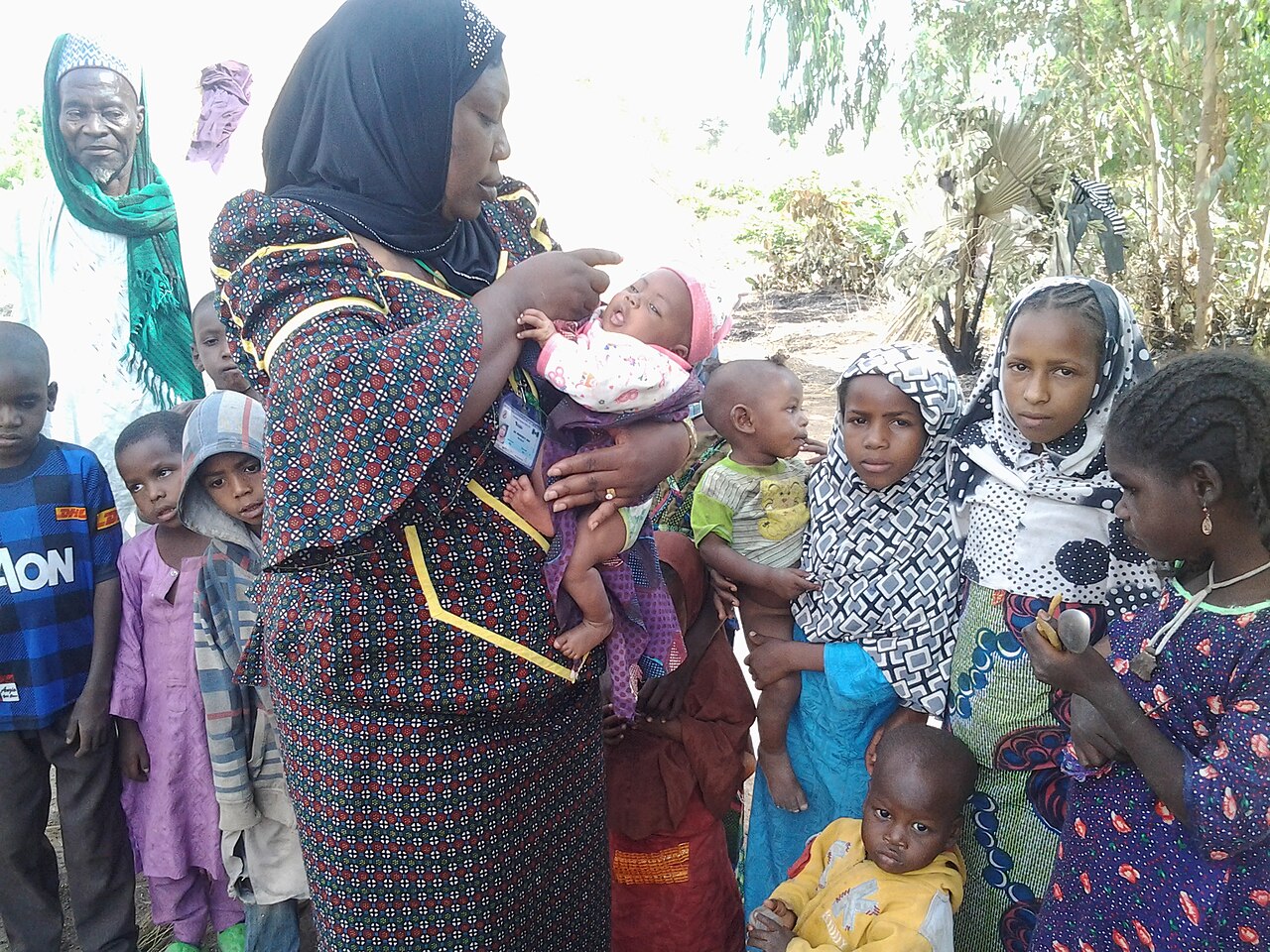
Vaccination teams in Sokoto State, in Nigeria's far north-west, are setting out to reach every child under five with polio drops, including families that health workers have often missed: nomadic herders, households displaced by violence, and villages where insecurity makes…
Show moreShow less
Vaccination teams in Sokoto State, in Nigeria's far north-west, are setting out to reach every child under five with polio drops, including families that health workers have often missed: nomadic herders, households displaced by violence, and villages where insecurity makes travel dangerous. UNICEF and state officials described the plan at a media roundtable ahead of the campaign, New Telegraph reported on 8 November 2026.
The campaign covers all 23 local government areas of the state. Teams will go house to house and also set up in markets, streets, schools and other public places, and the vaccine is free. Parents and caregivers are being asked to bring forward every child under five, even those who have been vaccinated before.
"We are looking forward to seeing a Sokoto State where parents would open their doors, vaccination teams would reach the last household and every single child would be vaccinated by the end of this campaign," said Michael Juma, head of UNICEF's Sokoto Field Office, according to New Telegraph.
Reaching families on the move
Some of the hardest children to reach are those whose families keep moving, between rural settlements and towns, often in search of safety. Juma said special arrangements had been made for these mobile populations. Before the campaign, mapping is used to find where nomadic and displaced families are living and how they move, and vaccination data is reviewed every day so teams can return to settlements where children were missed.
A vaccination official told the roundtable that extra strategies had been drawn up for insecure and hard-to-reach communities, particularly in Isa, Gudu and Illela local government areas. Retired health workers and local health staff will support the teams, while traditional rulers, religious leaders, community gatekeepers and selected vigilante groups help encourage families to take part. Officials acknowledged that insecurity could still block access to some communities.
Why repeat doses still matter
The virus is still circulating in Nigeria. Asnakew Tsega, UNICEF's polio coordinator in Nigeria, said that between 68 and 69 children in the country had been paralysed by two circulating strains of the virus in 2026.
"Polio is a paralytic disease. It is very infectious, it paralyses children and affects everyone. But it is a disease with a solution because we can prevent it through vaccination," Tsega said.
He urged parents not to turn away extra doses, explaining that the virus will keep circulating until children have been reached again and again. Juma also stressed reaching "zero-dose" children, who have never received any routine vaccines, and linking polio rounds with routine immunisation so children are protected against other preventable diseases too.
A community effort
UNICEF and its partners have been building local ownership of the effort across Sokoto, Zamfara and Kebbi states. Events around World Polio Day on 24 October included football matches for young people and journalists and para-soccer games featuring polio survivors. Officials asked journalists to help counter misconceptions about vaccines. The campaign draws on the state government, UNICEF, the World Health Organization and other members of the Global Polio Eradication Initiative, including Rotary International and Gavi, the Vaccine Alliance.
Why it matters
Polio paralysis is permanent, but it is entirely preventable. As long as some children go unvaccinated, the virus can survive and spread; finding the families on the edges of the health system, in camps, on the move or behind insecure roads, is what will finally end it.
Learn more
- New Telegraph: UNICEF, Partners Take Polio Vaccination To Nomadic Settlements, Insecurity-Hit Areas In Sokoto
- Global Polio Eradication Initiative
Sources: New Telegraph, "UNICEF, Partners Take Polio Vaccination To Nomadic Settlements, Insecurity-Hit Areas In Sokoto," 8 November 2026.
How you can help
These organisations work to protect children from polio and other preventable diseases in Nigeria and beyond.
- UNICEF Nigeria supports immunisation across Nigeria, including the polio campaigns that reach displaced and nomadic children in the north-west.
- Rotary's End Polio Now raises funds and rallies volunteers to help vaccinate children against polio worldwide.
- Save the Children Nigeria works to bring routine vaccines and basic health care to children in hard-to-reach communities.
💬 0 replies
Sign in to reply.