
Somalia Brings Safe Water to 175,000 People, Thailand Moves to Shield Taps From Arsenic and More
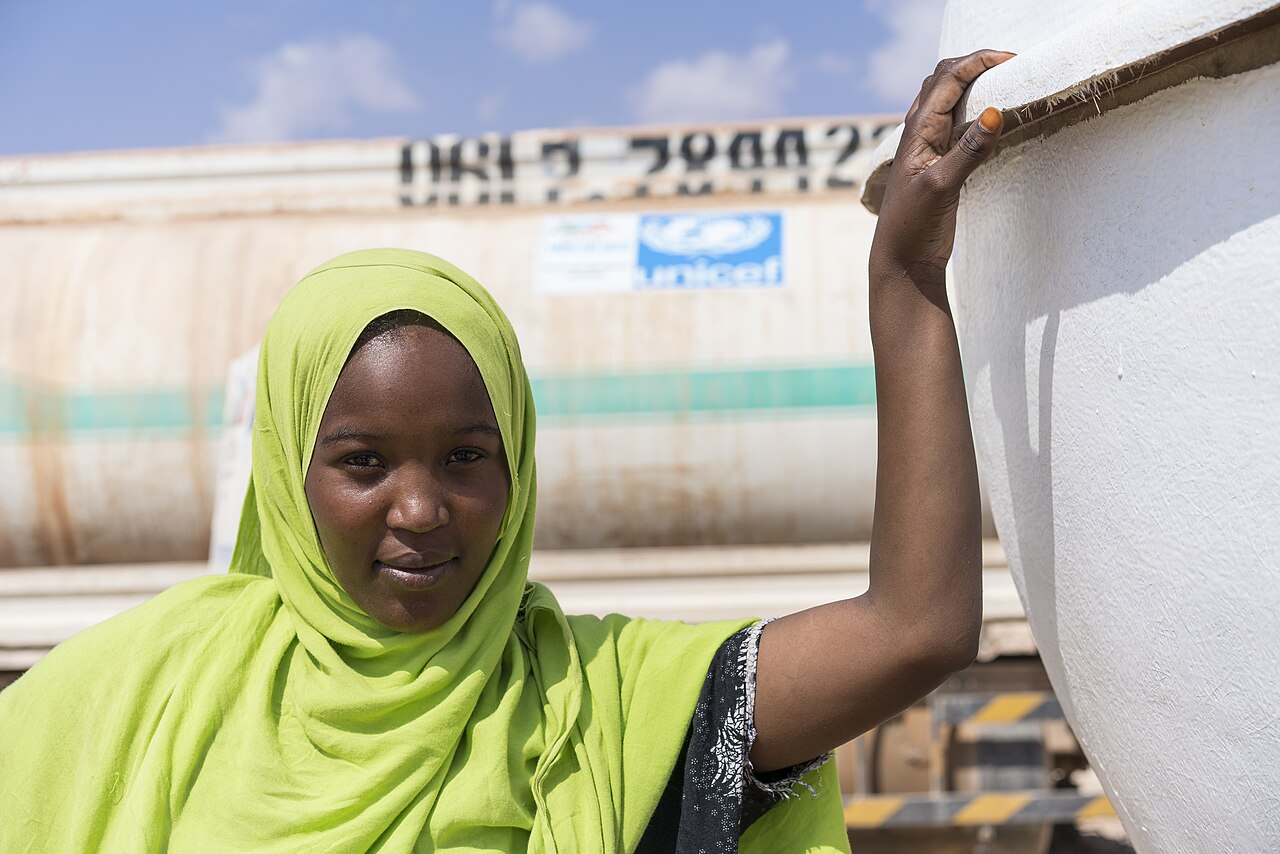
Today's clean water news travels from rural southern and central Somalia to Thailand's northern border and the banks of the Amazon in Brazil. In each place, people are finding ways to bring safe water closer to home, or to protect it when it is threatened.
Somalia: safe water now minutes away for thousands of rural families
A water and sanitation project in rural Somalia has benefited 175,000 people and their livestock, the African Development Bank reported on 20 November. The $11 million project built 26 boreholes, 52 water points and 47 small solar-powered water systems across Jubaland and Galmudug states. Twenty schools, markets and health facilities gained better water and sanitation, and more than 75 staff from national and state water agencies were trained to monitor water quality and run the services. It was financed through the Somalia Infrastructure Fund within the bank's African Development Fund and carried out by Somalia's Ministry of Energy and Water Resources, the International Organization for Migration and the UK's Department for International Development.
Community leader Maryan Ali remembered walking two to three kilometers a day to shallow wells, carrying 20- to 25-liter containers. Today, a modest usage fee is set aside to maintain the water points and the generators that serve them. "Water that was once scarce and hard to access is now sufficient, accessible and affordable," said Asli Warsame Abdi, an Afmadow resident.
The need is still huge. The United Nations in Somalia estimates that 4.5 million people need urgent water, sanitation and hygiene help in 2026, after recurring drought, conflict and mass displacement. Cholera remains endemic, and the bank notes that the under-five child mortality rate is 133 per 1,000 live births.
Thailand: racing to keep arsenic out of the taps
Thai authorities are working to provide clean water to more than 20,000 households in northern Thailand after unsafe levels of arsenic were found in the water supply, Al Jazeera reported on 18 November. Tap water to thousands of homes in 14 villages in Mae Sai district, in Chiang Rai province, was suspended this month after officials found arsenic in the local waterworks at 30 times the safe limit. Prime Minister Anutin Charnvirakul ordered agencies to find alternative water sources and closely monitor tap water quality, and trucks were sent to deliver clean drinking water. Researchers at Naresuan University traced much of the arsenic-laden sediment in the Sai River to gold mining across the border in Myanmar.
On 21 November, Thai PBS World reported that a northern disaster committee has proposed six urgent measures, according to science minister Yodchanan Wongsawat. They include clean water for affected residents in Mae Sai and in Chiang Mai's Fang and Mae Ai districts, emergency water from three reservoirs prepared by the Royal Irrigation Department, a sediment-trapping system developed by the ministry, an advanced testing lab with Mae Fah Luang University and a Chinese scientific institute, and tighter controls on mineral trade from Myanmar.
The source of the problem lies across the border. The Sai River feeds the Mekong, which millions of people depend on, and the prime minister said on 21 November that Thailand can only seek cooperation from China and Myanmar to stop the pollution.
Brazil: students turn fish bones into a water filter
High school students and their teacher in Manacapuru, a town on the Solimoes River about 100 kilometers west of Manaus, have developed a water filter made from the bones of the Amazon's giant pirarucu fish, Reuters reported on 20 November. They heat the fish's vertebrae to as much as 900 degrees Celsius (1,650 degrees Fahrenheit), then grind the charred bones into a powder that absorbs heavy metals and other pollutants.
"It's a sustainable, ecological form of carbon that does not require the felling of trees," said Galileu da Silva Pires, a biology teacher at the Jose Mota school. The idea also puts fish waste to use. "We feel great about getting better quality water, filtered water, creating something of value," said student Ana Flavia Costa Lopes, 18.
The need is real. Riverside communities in the Amazon are often exposed to unsafe drinking water during droughts, when rainwater runs out and low rivers concentrate pollutants, and the Solimoes is currently low after a drought. The project is still a school effort, and like any new filter it will need careful testing before families rely on it.
Why it matters
Safe water depends on more than one well or one pipe. Somalia shows what lasting investment and local upkeep can do, Thailand shows how quickly a safe supply can be threatened by pollution upstream, and young people in the Amazon show that local ideas can help. Each of these places still needs steady support to keep water safe for everyone.
Learn more
- African Development Bank (via allAfrica): For Thousands in Rural Somalia, Safe Water Is Now Minutes Away
- Al Jazeera: Myanmar-linked arsenic pollution prompts clean water scramble in Thailand
- Thai PBS World: Measures proposed to address contamination of trans-boundary rivers
- Thai PBS World: PM says he can only seek cooperation from China and Myanmar over river pollution
- Reuters (via ThePrint): Brazilian students turn to burned fish bones as clean water filter
Sources: African Development Bank (via allAfrica), "For Thousands in Rural Somalia, Safe Water Is Now Minutes Away," 20 November 2026; Al Jazeera, "Myanmar-linked arsenic pollution prompts clean water scramble in Thailand," 18 November 2026; Thai PBS World, "Measures proposed to address contamination of trans-boundary rivers," and "PM says he can only seek cooperation from China and Myanmar over river pollution," 21 November 2026; Reuters (via ThePrint), "Brazilian students turn to burned fish bones as clean water filter," 20 November 2026.
How you can help
These organizations work on the issues in today's stories:
- Action Against Hunger provides emergency water, sanitation and hygiene support to families affected by drought in Somalia.
- International Rivers works to protect rivers, including the Mekong, and to defend the rights of the communities that depend on them.
- Fundação Amazônia Sustentável (FAS) works with riverside and forest communities in the Brazilian Amazon, caring for the people who care for the forest.
💬 0 replies
Sign in to reply.