
Prairie Returns to the Plains: South Dakota Gets $7.98 Million to Restore 7,500 Acres of Grassland
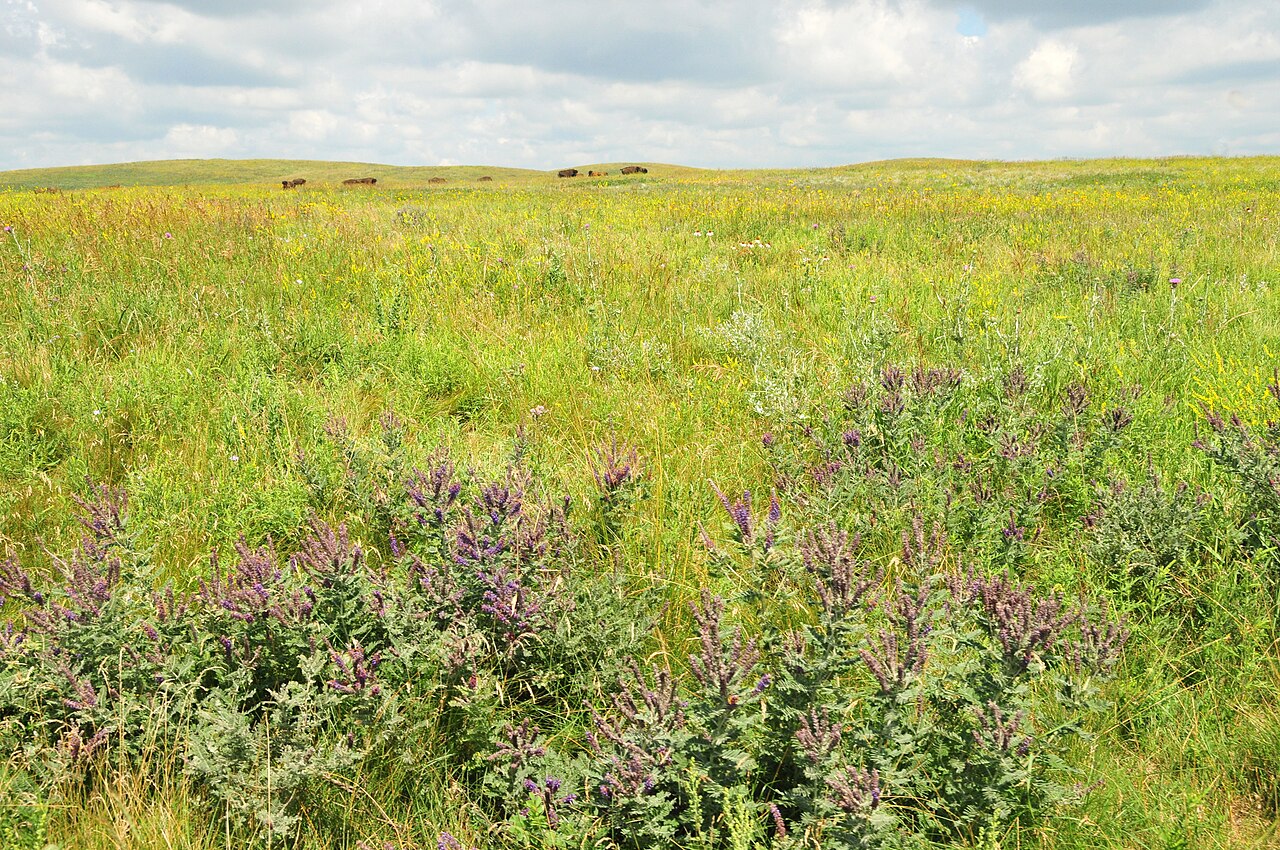
South Dakota is set to turn thousands of acres of struggling farmland back into prairie. The Second Century Habitat Fund has received $7.98 million from the U.S. Department of Agriculture's Regional Conservation Partnership Program, KOTA reported on 1 November 2026. South Dakota…
Show moreShow less
South Dakota is set to turn thousands of acres of struggling farmland back into prairie. The Second Century Habitat Fund has received $7.98 million from the U.S. Department of Agriculture's Regional Conservation Partnership Program, KOTA reported on 1 November 2026. South Dakota Public Broadcasting followed on 2 November with details from South Dakota Game, Fish and Parks.
The money will fund the Working Lands Grassland Recovery Initiative, one of 42 projects selected nationwide. Its goal, in the words of the project, is "to convert 7,500 acres of marginal cropland into diverse perennial grasslands."
How the program works
Participation is voluntary. Landowners and agricultural producers across the state can enrol land through 10-year agreements. Crucially, the restored acres are not locked away: they stay available for managed haying and grazing while also providing habitat for wildlife.
KOTA reports that eligible producers may receive help with land preparation, seed purchase and planting, along with rental payments during the early years. The Habitat Fund and Game, Fish and Parks will coordinate applications and work with producers. Applications will go through an eligibility review and a competitive ranking that weighs how suitable a site is, the restoration benefits it could bring, and whether it can expand or connect existing grasslands.
"What's good for the bird is good for the herd. Healthy grasslands provide nesting cover for birds and forage for cattle."
That is how Elysabeth Kierl, executive director of the Second Century Habitat Fund, described the idea, according to SDPB. Fund president Bruce Cull added: "Ultimately our goal is to identify acres where conversion can deliver benefits to wildlife."
Benefits for land, water and wildlife
Project leaders cited by KOTA point to less soil erosion, healthier soil and better water infiltration as benefits of perennial grass cover. Deep-rooted native grasses hold soil in place and help rain soak into the ground, which can matter for both farm resilience and the quality of nearby waters. For ground-nesting birds, larger and better-connected stretches of grassland mean more places to raise their young.
What still needs to happen
The program is not open for business just yet. The fund says it is in the final steps of putting grant implementation in place, and neither report gave enrolment dates or deadlines. Producers who are interested are directed to the fund's website, sdhabitatfund.com. At 7,500 acres, this is best seen as a practical step rather than a complete answer. How many landowners will take part, and how quickly, remains to be seen.
Why it matters
Grasslands support birds, pollinators and livestock alike, and restoring them takes farmers as partners. A programme that pays farmers to restore their least productive fields, while letting them keep grazing and haying, shows that conservation and a living from the land can go hand in hand.
Learn more
- KOTA: South Dakota grassland restoration project receives nearly $8 million in federal funding
- SDPB: State habitat fund receives nearly $8 million for grassland restoration initiative
- Second Century Habitat Fund
Sources: KOTA, "South Dakota grassland restoration project receives nearly $8 million in federal funding," 1 November 2026; South Dakota Public Broadcasting, "State habitat fund receives nearly $8 million for grassland restoration initiative," 2 November 2026.
How you can help
These established nonprofits work to protect grasslands and the wildlife that depend on them; they are not mentioned in the reports above.
- Pheasants Forever helps landowners and communities restore prairie and other upland habitat for pheasants, quail and other wildlife.
- National Audubon Society works to conserve grassland birds and the landscapes they need through science, policy and habitat programs.
- Ducks Unlimited conserves wetlands and the surrounding grasslands that waterfowl and other prairie wildlife depend on.
💬 0 replies
Sign in to reply.