
"If I Am Given Education, I Can Register": Tanzania's Farmers Ask for Training to Make Digital Farm Tools Work
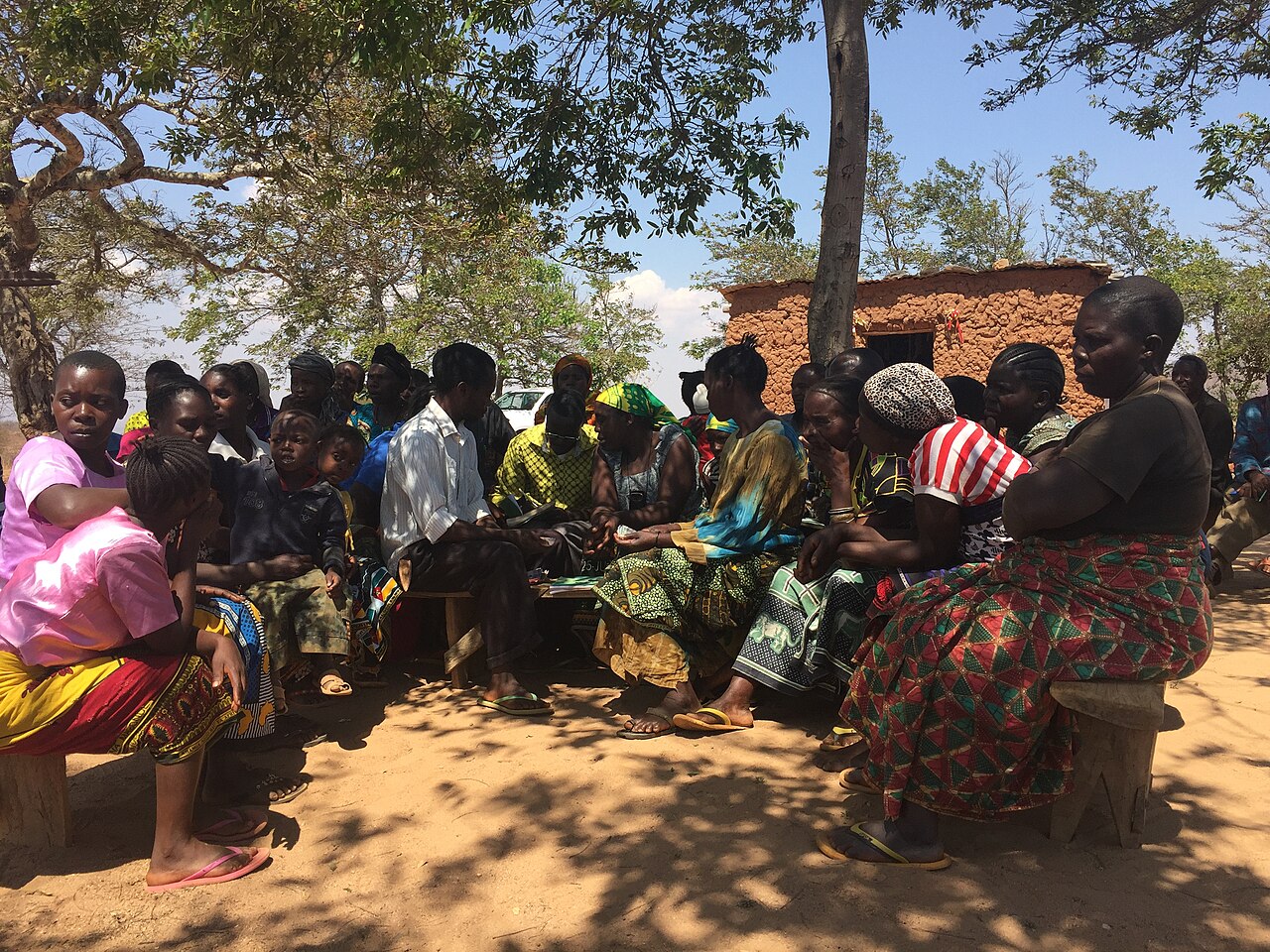
In the villages of central Tanzania, farmers' phones are already buzzing with messages about government digital farming services. What many of them still lack is someone to show them how to use them. That is the picture from a report published by Al Jazeera on 6 November 2026,…
Show moreShow less
In the villages of central Tanzania, farmers' phones are already buzzing with messages about government digital farming services. What many of them still lack is someone to show them how to use them. That is the picture from a report published by Al Jazeera on 6 November 2026, in which smallholder farmers in Dodoma region describe their hopes for the tools, and what is holding them back.
The services are M-Kilimo, a Ministry of Agriculture mobile service that offers market information and farming advice, lets farmers advertise their produce and connects them with extension workers, and e-Kilimo, a wider platform that brings government farming services together on a website and smartphone app. Theresia Abel Nyoka of Paranga village has received messages about both but never signed up. "It is simply because we have not been given education. I do not know their importance or benefits," she told Al Jazeera.
Registered is not the same as helped
A 2024 study drawing on ministry information, cited by Al Jazeera, counted about 7.2 million farmers registered on M-Kilimo, alongside nearly 10,000 extension workers and experts. It also found about 400,000 incomplete registrations, and farmers who struggled with the basic-phone (USSD) version of the service. The figures do not show how many farmers use the platform regularly, or whether it has helped them earn more.
The farmers interviewed gave mixed reports. Jeremiah Luwe, a maize and pigeon pea farmer in Kongwa district, said answers to his questions can take up to two weeks. "Sometimes the information arrives too late to be useful," he said. Vedalinda Asiya, a sesame and maize farmer, said the service had not given her the prices she needs, though it did point her to subsidised fertiliser, which she then obtained. None of the farmers could name anyone who had earned more through the platforms, which, as Al Jazeera notes, does not prove they have failed nationally.
Training is the missing piece
The government is investing in the gap. The Data for Digital Agricultural Transformation Joint Programme, which runs to August 2027, aims to improve digital literacy for 500,000 farmers and train 500 government extension workers, according to Al Jazeera. The United Nations in Tanzania says the programme is led by the Ministry of Agriculture with UNCDF, FAO and IFAD, backed by the European Union through the UN Joint SDG Fund, and was first rolled out in Dodoma, Kigoma, Ruvuma and Manyara regions, with a special focus on women and young people.
Experts quoted in the report say the tools must meet farmers where they are. Praygod Malisa of Rikolto East Africa pointed to training, smartphone and SIM access, connectivity and cost as barriers, and urged that programmes be judged by results, not sign-ups. "If farmers do not know the technology, it has no benefit for them," he said. Mahadia Tunga of the Tanzania Data Lab suggested working through networks farmers already trust, such as WhatsApp groups run by extension officers, combined with offline support. Farmers' cooperatives and warehouse auctions already connect many smallholders to buyers, and digital tools could build on them.
The appetite is there. "If I am given education, I can register," said Adam Rashidi, who grows pigeon peas and sesame in Kingale village.
Why it matters
Smallholders grow much of the food that feeds their communities, yet they often sell quickly and cheaply because they lack timely price and market information. Good digital tools, paired with patient, village-level training, could help them get fairer prices and plan better harvests, but only if the farmers themselves are brought along.
Learn more
- Al Jazeera: Tanzania's smallholder farmers struggle to benefit from digital agriculture
- United Nations in Tanzania: Data for Agriculture: Planting Digital Solutions to Drive Transformation
Sources: Al Jazeera, "Tanzania's smallholder farmers struggle to benefit from digital agriculture," 6 November 2026; United Nations in Tanzania, "Data for Agriculture: Planting Digital Solutions to Drive Transformation," 25 October 2024.
How you can help
These organisations help smallholder farmers in Tanzania get the knowledge, inputs and markets they need:
- Farm Radio International works with rural radio stations across sub-Saharan Africa, including Tanzania, to share practical, timely farming information with smallholders.
- One Acre Fund supplies smallholder farmers in Tanzania and elsewhere in Africa with seed, fertiliser, financing and training to grow more food and earn more.
- Heifer International connects Tanzanian farmers to training, services and market opportunities to turn household farms into thriving businesses.
💬 0 replies
Sign in to reply.