
Fifty-Five Texas Horned Lizards Return to the Wild as a Beloved Reptile Gets a Second Chance
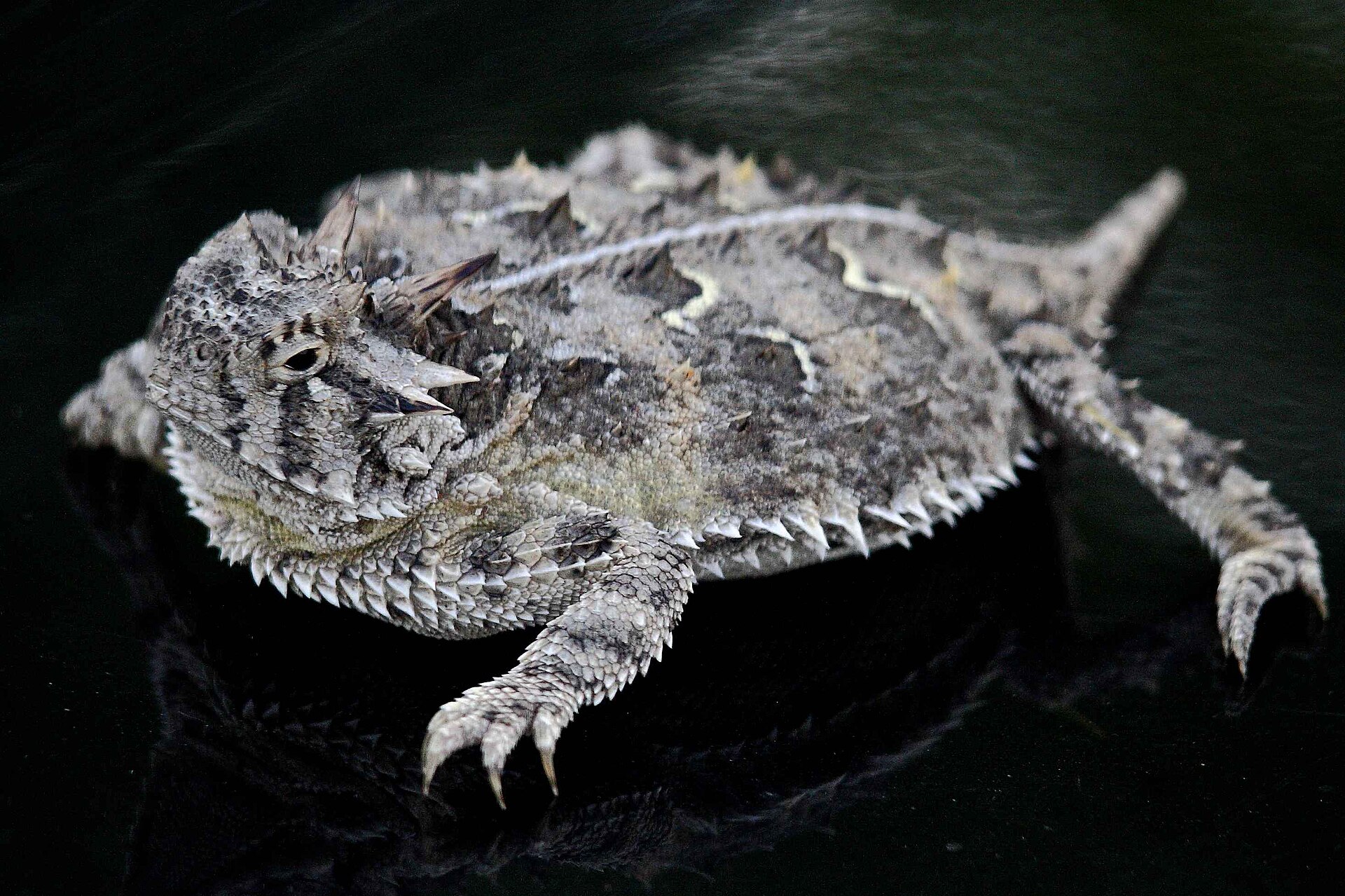
For generations of Texans, the horned lizard, often called the "horny toad," was a familiar part of childhood. Over the past six decades it has been disappearing from much of its native range. On Monday, 26 October, 55 of them were given a new start on a Texas ranch.
Show moreShow less
For generations of Texans, the horned lizard, often called the "horny toad," was a familiar part of childhood. Over the past six decades it has been disappearing from much of its native range. On Monday, 26 October, 55 of them were given a new start on a Texas ranch.
The release was carried out by the Center for Conservation and Research at San Antonio Zoo and its partner, Zoo Miami, as part of the Texas Horned Lizard Reintroduction Project, according to the San Antonio Current and KSAT. The zoo's conservation center has led the effort since 2017.
Where the lizards came from
Of the 55 animals released, 25 came from Zoo Miami, two were born and raised at San Antonio Zoo, and 28 were rescued from a Texas ranch earlier this year. The release follows another earlier this month involving 24 horned lizards, and it brings the total number of lizards reintroduced to the wild through the project to 428.
The Texas horned lizard has been the state reptile since 1993. According to San Antonio Zoo officials, its decline has been driven by habitat loss, pesticides and invasive species such as red imported fire ants.
"For so many Texans, the horny toad is a special part of growing up in this state," said Tim Morrow, president and CEO of San Antonio Zoo. "Seeing these animals return to the wild is a reminder of why conservation matters."
Signs that it is working
Zoo researchers have previously documented the survival of released lizards, the Current reports, along with signs that they may be reproducing and expanding beyond the release site.
A small, spiky reptile may not make global headlines. But restoring it is part of caring for the whole web of life it belongs to. Each careful release is an act of patience and repair, and a reminder that the places we love can recover when people take the time to care for them.
How you can help
- Read more from the San Antonio Current.
- Reduce pesticide use in yards and gardens, and protect native plants and insects.
- Support local wildlife reintroduction and habitat restoration efforts.
Sources: San Antonio Current and KSAT, 29 October 2026.
💬 0 replies
Sign in to reply.