
"The World Is Not Ready": UN Report Maps a $305 Billion Climate Adaptation Gap
The world is nowhere near spending enough to help people cope with a hotter, more unpredictable climate, but the gap is now measured precisely, and a few numbers are moving the right way. On Wednesday, 4 November 2026, the UN Environment Programme (UNEP) published its Adaptation…
Show moreShow less
The world is nowhere near spending enough to help people cope with a hotter, more unpredictable climate, but the gap is now measured precisely, and a few numbers are moving the right way. On Wednesday, 4 November 2026, the UN Environment Programme (UNEP) published its Adaptation Gap Report 2026, as reported by UN News, just before the COP31 climate summit opens in Antalya, Türkiye.
The report estimates that developing countries will need roughly $305 billion a year by 2035 to build resilience and reduce climate risks. International public money for adaptation reached between $28.2 billion and $31.7 billion in 2024, only about $1 billion more than the year before.
UNEP's Executive Director, Inger Andersen, was blunt. "The world is not ready to adapt to current climactic conditions, never mind what overshoot of 1.5°C will bring," she said, according to UN News.
What the numbers say
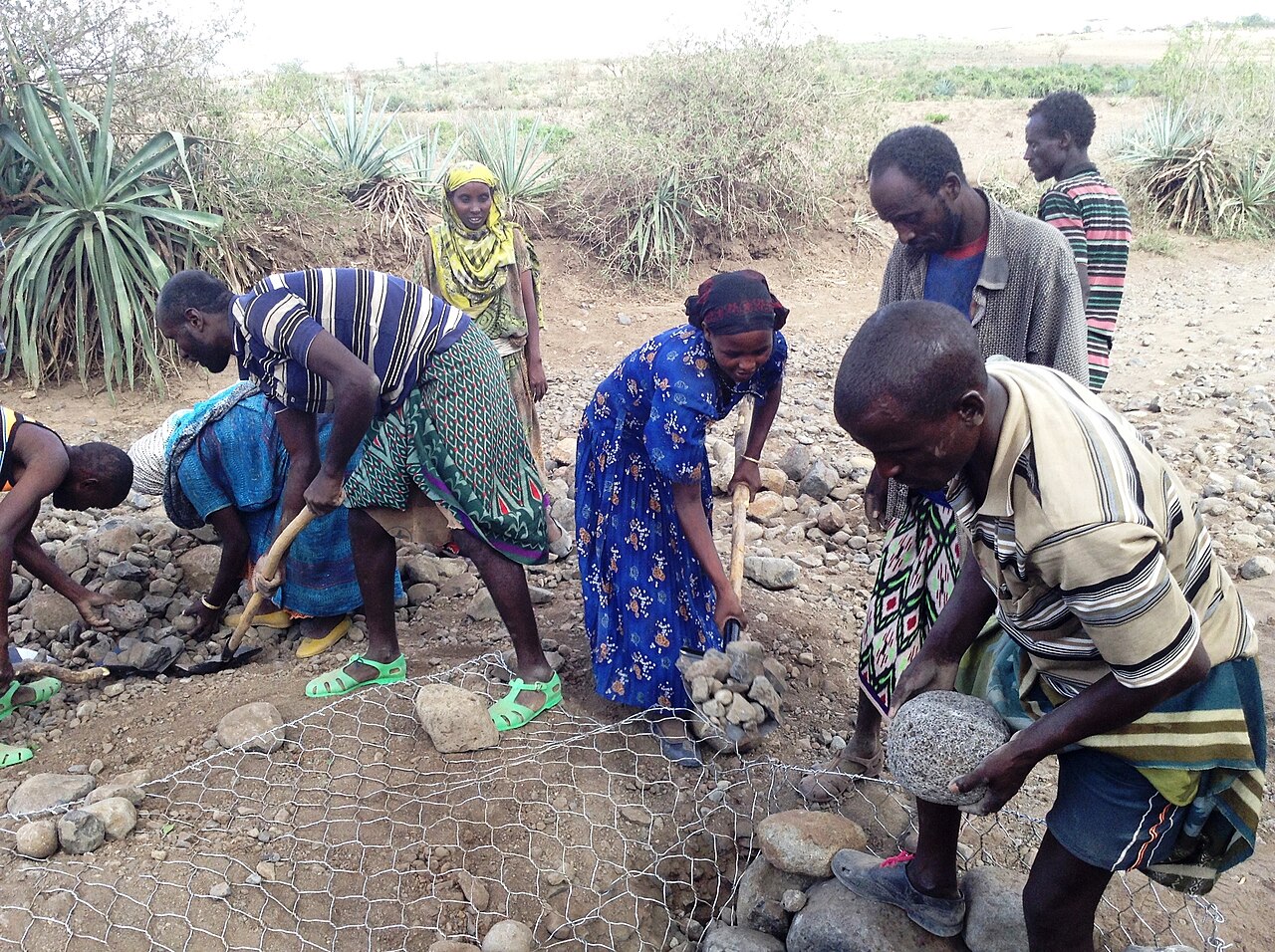
Adaptation means practical work: stronger flood defences, drought-tolerant crops, early warning systems, and water supplies that survive extreme weather. At COP30 in Brazil, governments agreed to triple adaptation finance. The report finds that even if international public adaptation finance does triple, it would cover at most 29 percent of what developing countries need. Projected funding of $85 to $120 billion a year by 2035 would meet only 20 to 29 percent of needs after inflation.
The Climate Action Network, a coalition of civil society groups, notes that the $305 billion figure rises to about $420 billion once future inflation is counted. It also points to the Fund for Responding to Loss and Damage, which has received $2.8 billion in requests but has $342 million available, about one dollar in eight.
Signs of progress
The report is not all bad news. Multilateral development banks likely increased their adaptation financing significantly in 2024. Flows between developing countries rose from $3.8 billion in 2019 to $9.6 billion in 2024. And the 2021 Glasgow goal of doubling adaptation finance from 2019 levels to $40 billion by 2025 is, the report says, still achievable.
What still needs to be done
Money is only part of the problem. UNEP says institutional barriers are holding back delivery, and climate-related losses and damage keep mounting. Campaigners say the gap is political. "The money is there, but the political will to provide it isn't," said Pooja Dave of Climate Action Network International. Marlene Achoki of CARE International put it simply: "Communities cannot adapt on promises."
Why it matters
Adaptation protects people who did the least to cause climate change and often have the fewest resources: farmers facing floods and drought, families in low-lying towns, communities that rely on one river. With COP31 days away, this report gives negotiators a clear, honest measure of how far the promised money still has to go.
Learn more
- UN News: "'The world is not ready': Climate adaptation cash falls far short as warming heads past 1.5°C"
- Climate Action Network: "UNEP report: Tripling adaptation finance would leave over 70% of developing countries' needs unmet"
Sources: UN News, "'The world is not ready': Climate adaptation cash falls far short as warming heads past 1.5°C," 4 November 2026; Climate Action Network, "UNEP report: Tripling adaptation finance would leave over 70% of developing countries' needs unmet," 4 November 2026.
How you can help
These established nonprofits help communities adapt to a changing climate:
- CARE helps vulnerable communities, especially women and girls, prepare for climate shocks such as floods and drought.
- Catholic Relief Services supports community-led disaster risk reduction and resilience projects in drought- and flood-prone regions.
- Practical Action works with communities on practical solutions such as early warning systems and climate-resilient farming and water supplies.
💬 0 replies
Sign in to reply.