
Water Under Fire: UNICEF Says Attacks on Water Systems in War Have Tripled
Attacks that damage or destroy water and sanitation systems in wars have roughly tripled in five years, according to a new report from the United Nations Children's Fund. In a release datelined New York, 5 November 2026, UNICEF said reported attacks on these systems in conflict…
Show moreShow less
Attacks that damage or destroy water and sanitation systems in wars have roughly tripled in five years, according to a new report from the United Nations Children's Fund. In a release datelined New York, 5 November 2026, UNICEF said reported attacks on these systems in conflict rose threefold between 2021 and 2025.
The findings come from Water Under Fire, Volume 4, which looks at attacks on water, sanitation and hygiene (WASH) systems, the people who run them and the people who use them. It covers 23 countries and territories between January 2021 and June 2026 and sets out seven types of attack, from strikes on treatment plants, pipelines and wells to contaminated sources and limits on spare parts and treatment chemicals.
UNICEF Executive Director Catherine Russell said "repairs cannot substitute for the protection of these facilities that is required under international humanitarian law."
What the report found
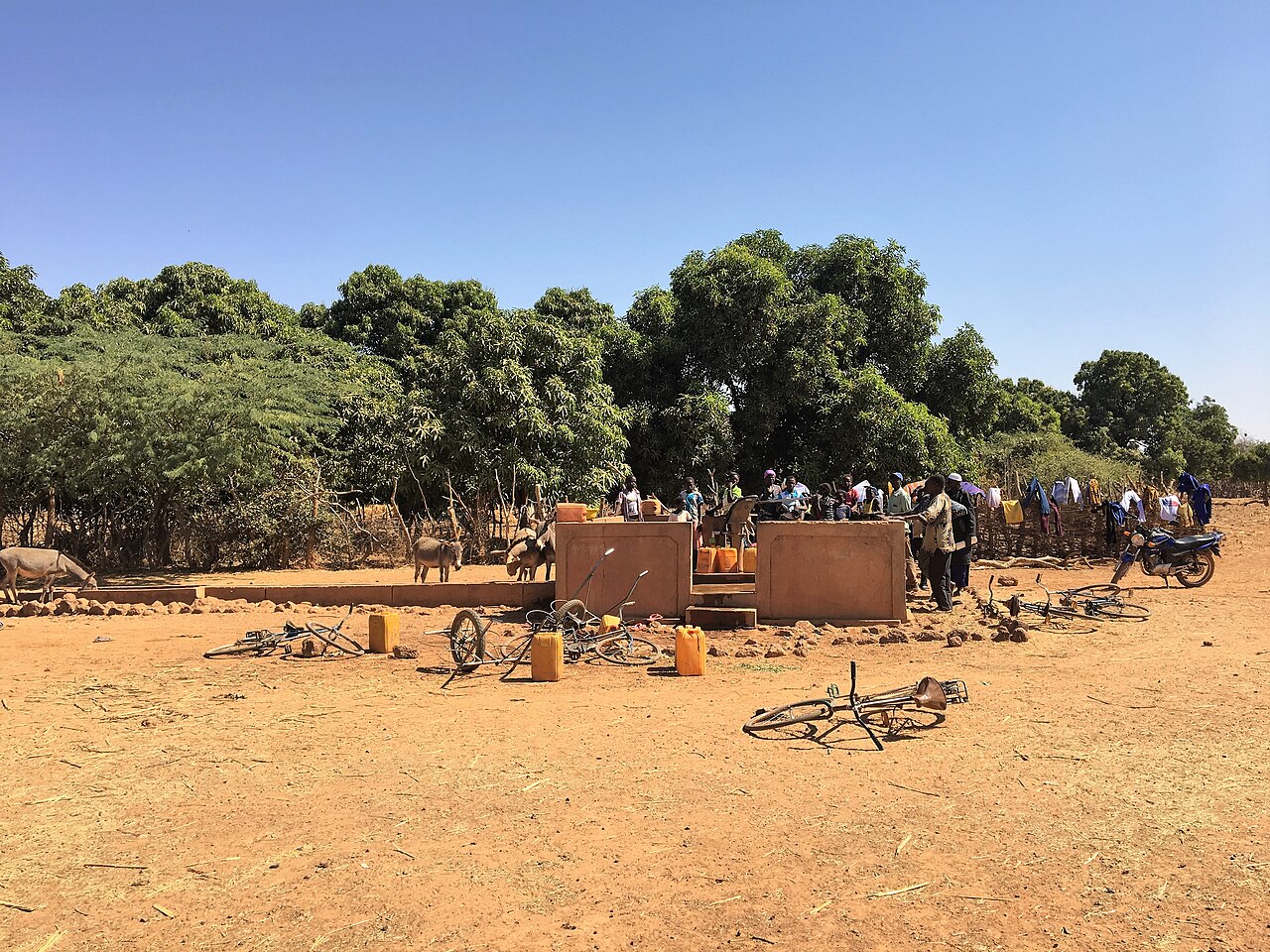
The examples are concrete. In Burkina Faso, more than 145 water points were destroyed between 2020 and 2025, cutting off about 830,000 people, more than half of them children. In Sudan, by March 2024 only one of the 13 water treatment plants in Khartoum State was still working. In Gaza, more than 130,000 metres of sewage pipeline have been damaged since October 2023, and children have been killed or injured while queuing for water.
The health effects follow quickly. In Chad, the World Health Organization linked a hepatitis E outbreak in refugee camps to poor water and sanitation; half of the 2,092 suspected cases between January and April 2024 were children aged 6 to 17. Without clean water, the report adds, health facilities struggle to sterilise equipment, deliver babies safely or prepare therapeutic milk for malnourished children. In households that must fetch water from outside the home, women and girls do the fetching in seven out of ten, which raises their risk of violence and keeps many out of school. Water workers are at risk too: the UN recorded 14 staff of Lebanon's Water Establishments killed in 2024.
Signs of resilience
The report is not only a catalogue of damage. In Afghanistan, about 65 per cent of UNICEF-supported water systems now run on solar power, which makes them less dependent on fuel and the power grid. UNICEF also urges donors and aid groups to invest in conflict-resilient WASH approaches and in locally led arrangements that keep services running when outside help cannot reach.
What still needs to be done
UNICEF makes five requests: treat WASH systems in conflict as essential to civilian survival, especially for children; create a mechanism to track attacks systematically; protect children, communities and water and energy workers; guarantee safe, timely and unimpeded access for workers and supplies; and invest in conflict-resilient services.
Money is a serious gap. About 137.9 million people in countries with coordinated humanitarian WASH responses need assistance, yet only 26 per cent of the 2026 funding requirement has been received. UNICEF also notes that the figures reflect documented attacks only, so the true picture is likely worse.
Why it matters
Clean water is the first defence against cholera, diarrhoea and malnutrition, and in a conflict it is often the first thing a family loses. Protecting pumps, pipes and the people who repair them is one of the simplest ways to protect children.
Learn more
- UNICEF press release: Reported attacks damaging water systems in conflict triple
- UNICEF report: Water Under Fire, Volume 4
- allAfrica: Reported Attacks Damaging Water Systems in Conflict Triple As Children Lose Access to Safe Water
Sources: UNICEF, "Reported attacks damaging water systems in conflict triple as children lose access to safe water," 5 November 2026; UNICEF, "Water Under Fire, Volume 4," November 2026; allAfrica (UNICEF), 5 November 2026.
How you can help
These established charities work to bring safe water and sanitation to families affected by conflict and hardship:
- UNICEF Burkina Faso supports children and families in Burkina Faso, one of the countries named in the report, including with water and sanitation.
- Oxfam provides clean water, sanitation and hygiene support to communities in humanitarian emergencies.
- Action Against Hunger runs water, sanitation and hygiene programmes alongside nutrition care in crisis-hit countries.
💬 0 replies
Sign in to reply.