
Water That Lasts Through the Dry Season: Austria and UNICEF Back Safe Water for 72,000 in Uganda's West Nile
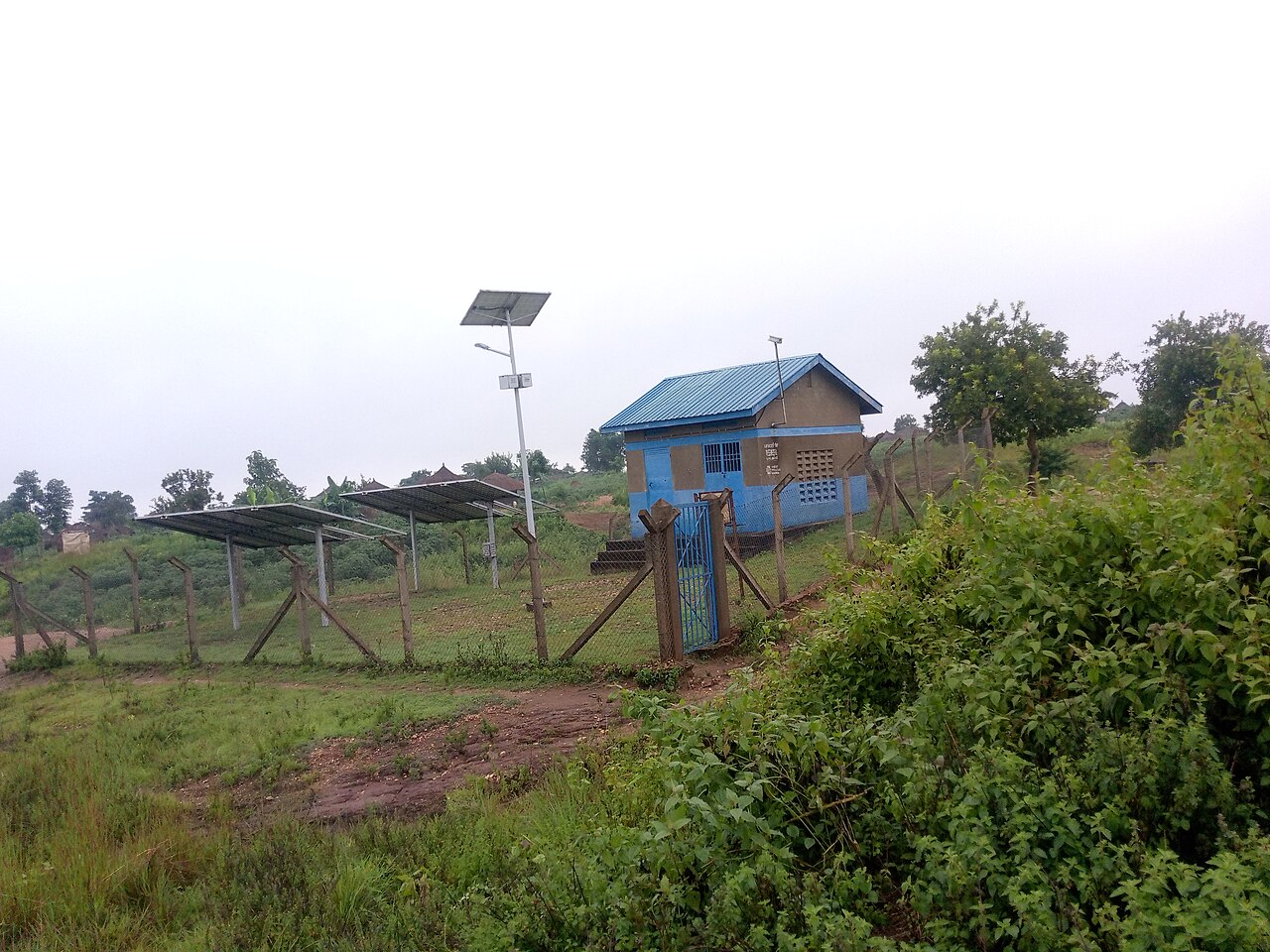
In Uganda's West Nile region, where large refugee settlements and host communities share thinning water supplies, a new three-year effort aims to keep taps and toilets working through drought and flood. On 6 November 2026 in Kampala, the Government of Austria, through the…
Show moreShow less
In Uganda's West Nile region, where large refugee settlements and host communities share thinning water supplies, a new three-year effort aims to keep taps and toilets working through drought and flood. On 6 November 2026 in Kampala, the Government of Austria, through the Austrian Development Agency, signed an agreement with UNICEF to provide EUR 3.5 million (about UGX 14.96 billion) for safe water, sanitation and hygiene in Yumbe and Madi-Okollo districts.
UNICEF is adding EUR 390,000 of its own, bringing the programme to EUR 3.89 million. It formally runs from 1 October 2026 to 30 September 2029 and is expected to benefit more than 72,000 people directly, most of them children and women, including roughly 14,925 pupils in primary and secondary schools, The Observer reported.
What the money will build
About 50,000 people will gain better water, sanitation and hygiene services through five health centres. Some 8,000 community members will get reliable safe water from two new climate-resilient community water systems. And hygiene promotion and community outreach are meant to reach more than 1.3 million people across the two districts, including over 400,000 refugees.
"Climate-resilient" here has a practical meaning: solar-powered water systems, water conservation, groundwater recharge, climate-smart sanitation and protection of the catchments that feed local water sources. Biogas, tree growing and community bylaws to protect water sources are also planned, along with stronger local maintenance, working with Uganda's Ministry of Water and Environment and district governments.
Why West Nile, and why now
Yumbe hosts the Bidibidi refugee settlement and Madi-Okollo hosts Rhino Camp; together the districts are home to nearly 400,000 refugees, alongside host communities. UNICEF says both districts face growing water stress from erratic rainfall, longer dry seasons and falling groundwater levels.
The pressure shows up in schools and clinics. On average, 71 pupils share a single latrine, against Uganda's national standard of 40, and one in three health facilities lacks adequate water and sanitation. That raises the risk of waterborne disease, disrupts learning, especially for adolescent girls, and can strain relations between refugees and their neighbours when they compete for the same water points.
"Safe water and sanitation are not privileges; they are fundamental human rights. When children have clean water, they are healthier, attend school more regularly, and have a better chance to reach their full potential." — Dr Katja Kerschbaumer, Head of the Austrian Embassy/Development Cooperation, in UNICEF's announcement
UNICEF's Representative in Uganda, Dr Robin Nandy, said that by reaching both refugee and host communities, the programme "will also help strengthen social cohesion and give every child a better chance to thrive."
What still needs to be done
Most of the 1.3 million people will be reached through hygiene education and campaigns rather than new taps or toilets, as The Observer pointed out. The lasting test, the paper noted, is whether health centres still have reliable water and schools still have working sanitation long after the three-year programme ends. The partners say the aim is to shift from short-term emergency aid to services that government and communities run themselves.
Why it matters
Building water systems that survive the next dry season, and that local people can maintain, is how a clinic keeps its taps running, a schoolgirl stays in class and neighbours avoid competing over a well.
Learn more
- UNICEF Uganda: Austria funds expansion of climate-resilient water and sanitation services for children in West Nile
- The Observer: Austria, UNICEF commit Shs 15bn to ease West Nile's water crisis
Sources: UNICEF Uganda, "Austria funds expansion of climate-resilient water and sanitation services for children in West Nile," 6 November 2026; The Observer (Uganda), "Austria, UNICEF commit Shs 15bn to ease West Nile's water crisis," 6 November 2026.
How you can help
These organisations work on safe water and sanitation in Uganda:
- UNICEF Uganda builds and repairs water and sanitation systems in schools, health centres and communities, including in refugee-hosting districts such as Yumbe and Madi-Okollo.
- WaterAid Uganda works with communities and local governments across Uganda to deliver lasting clean water, decent toilets and good hygiene.
- Water For People Uganda works with local governments in Uganda to bring reliable water and sanitation services to households, schools and clinics.
💬 0 replies
Sign in to reply.