
China's Mangroves Bring Back the Birds, Countries Agree Next Steps on Chemicals and Straddie Koalas Stay Home
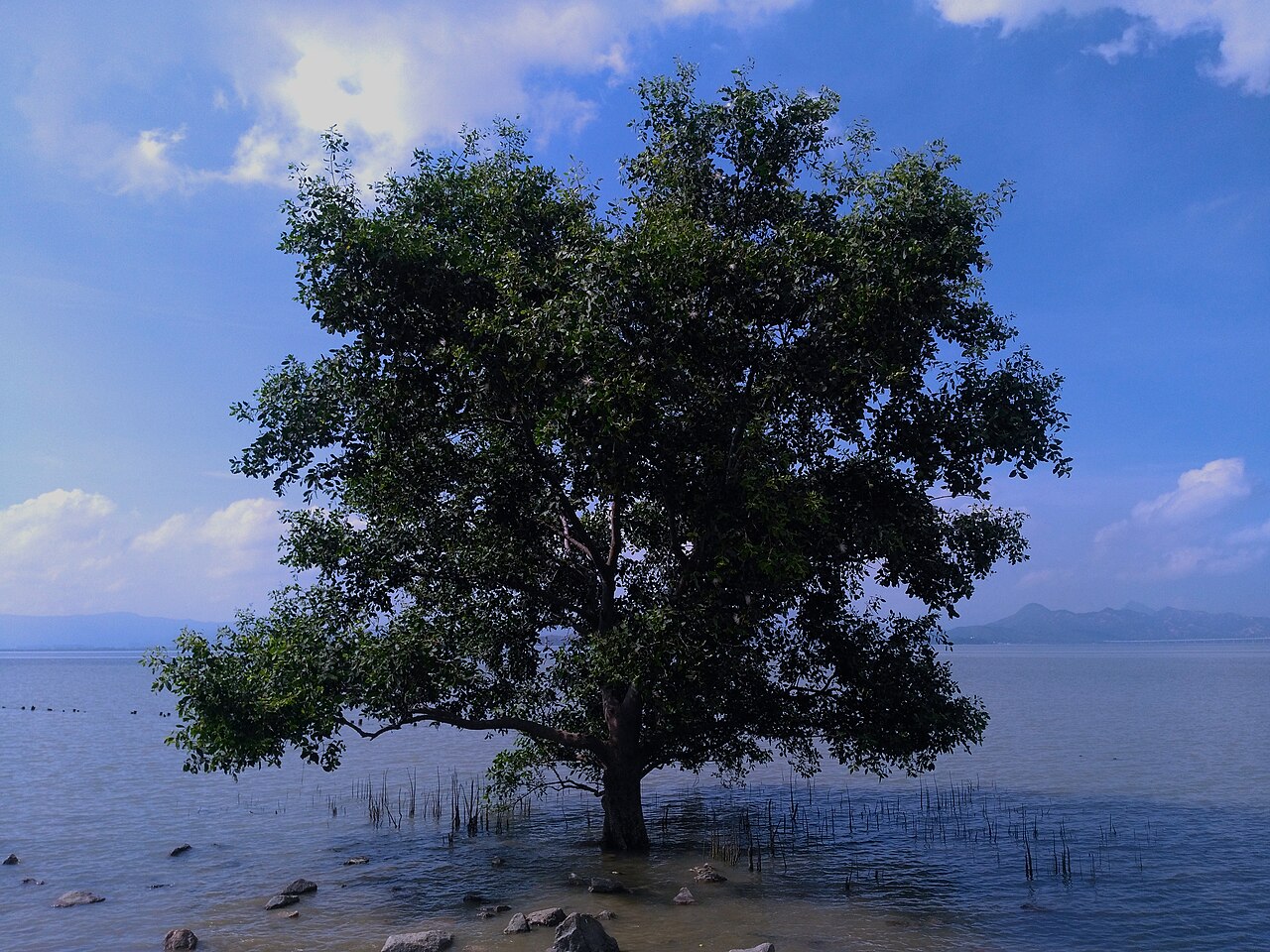
Today's environment roundup covers three stories. China's mangrove forests are growing back, and far more birds are using them. In Geneva, countries agreed on how to track their promises on dangerous chemicals and waste. And on an island off Brisbane, a new local charity is making sure injured koalas can go home.
China: restored mangroves bring the birds back
China's mangrove forests have more than doubled in area, and far more bird species now use them, Mongabay reported on 23 November. The findings come from a study by researchers at Ningbo University, published in the journal The Innovation. It found that mangrove area grew 166% between 1998 and 2020, from 10,617 to 28,194 hectares. Over the same years, the number of bird species recorded along these coasts rose from 148 to 397, and the number of globally threatened species from 11 to 21.
The recovery follows steep losses: China lost nearly 70% of its mangroves between 1950 and 1990. Since then, the government has set aside mangrove reserves and restored damaged areas, including former aquaculture ponds. The fastest growth came between 2003 and 2008, after a 2000 national wetland protection plan. Guangdong, Hong Kong, Macao and Guangxi accounted for 88% of the gain.
The authors note some limits. Part of the rise in bird records may come from more people watching birds. Shorebirds such as sandpipers and plovers, which feed on open mudflats, can lose feeding ground as the forests grow thicker. The researchers say restoration should aim to bring back the whole coastal wetland, mudflats included, not just more trees.
Geneva: countries agree how to track progress on chemicals and waste
The first International Conference of the Global Framework on Chemicals ended in Geneva with an agreed set of next steps, the UN Environment Programme (UNEP) announced on 21 November. More than 1,200 people from governments, civil society, business, international organizations and academia took part in the meeting, which ran from 16 to 20 November.
The framework was adopted in Bonn in 2023, and most of its 28 targets are due by 2030. In Geneva, participants provisionally adopted a first set of indicators to measure progress. They also launched two programmes: one to strengthen national laws and institutions for managing chemicals and waste, and one to work with industry, starting with construction, electronics, healthcare and textiles. The framework's fund for developing countries was extended. It can now receive contributions until the end of 2033 and pay out until the end of 2035. Work continues on lead in paint, highly hazardous pesticides and the "forever chemicals" known as PFAS. During the conference, UNEP and the World Health Organization also published the first major global update since 2012 on chemicals that disrupt the body's hormones.
"There is no time to lose between now and 2030," said Inger Andersen, UNEP's Executive Director. "What matters now is quickly translating these commitments into real action that delivers safer chemistry, cleaner production, healthier workplaces and economies that protect people and planet."
Australia: injured koalas can now stay on North Stradbroke Island
On North Stradbroke Island (Minjerribah), off the coast of Brisbane, injured and orphaned koalas can now be cared for without leaving the island, ABC News reported on 23 November. Until recently, sick or injured koalas were sent to the mainland for care and could not come back, because of the risk of bringing diseases to the island. Koalas released outside their home range have low survival rates.
Jade Patterson, who owns the island's only vet clinic, founded a new charity, the Minjerribah Wildlife Veterinary and Conservation Foundation, to give round-the-clock care to the island's wildlife. "Being able to keep those koalas on island is a real game changer for us," she told the ABC. One of its patients is a joey separated from her mother. Vet Thalita Calvi says she is "slowly putting weight on, and getting her strength back." Elder Auntie Mary Burgess said koalas matter deeply to the Quandamooka people. "I think it's wonderful that our local vet, Jade, has set up that process for our koalas," she said.
The work still runs on volunteers, and there are more animals than the team can care for. Dr Patterson recently held a workshop to train new wildlife carers. She hopes they will share the load so the team can focus on research and education about the island's koalas, which have lower disease rates than those on the mainland.
Why it matters
Each story shows a different part of what a healthy environment needs: forests given room to grow back, shared rules that keep harmful chemicals out of air, water and bodies, and neighbors ready to care for the animals that live beside them. None of the work is finished. China's researchers want whole coastlines restored, not just tree cover. The chemicals framework now has to deliver in real countries and workplaces. And Straddie's koala carers need more hands. But each shows that steady, practical work makes a real difference.
Learn more
- Mongabay: China's mangroves have bounced back. Birds have returned too
- EurekAlert!: From 148 to 397 species: China's restored mangroves are bringing the birds back
- UNEP: Global chemicals conference adopts measures to track progress, accelerate action on chemicals and waste
- ABC News: Koala rehab centre on North Stradbroke Island keeps them close to home
Sources: Mongabay, "China's mangroves have bounced back. Birds have returned too," 23 November 2026; Innovation Press via EurekAlert!, "From 148 to 397 species: China's restored mangroves are bringing the birds back" (study published in The Innovation, 1 October 2026); UN Environment Programme, "Global chemicals conference adopts measures to track progress, accelerate action on chemicals and waste," 21 November 2026; ABC News, "Koala rehab centre on North Stradbroke Island keeps them close to home," 23 November 2026.
How you can help
These organizations work on the issues behind today's stories:
- Wetlands International works to protect and restore wetlands around the world, including mangrove coasts.
- IPEN is a global network of public interest groups working to reduce and eliminate harmful chemicals worldwide.
- Australian Koala Foundation is a nonprofit dedicated to conserving wild koalas and their habitat.
💬 0 replies
Sign in to reply.