
Karnataka Reopens the Door for School Dropouts, Bhutan Backs Children With Disabilities and More
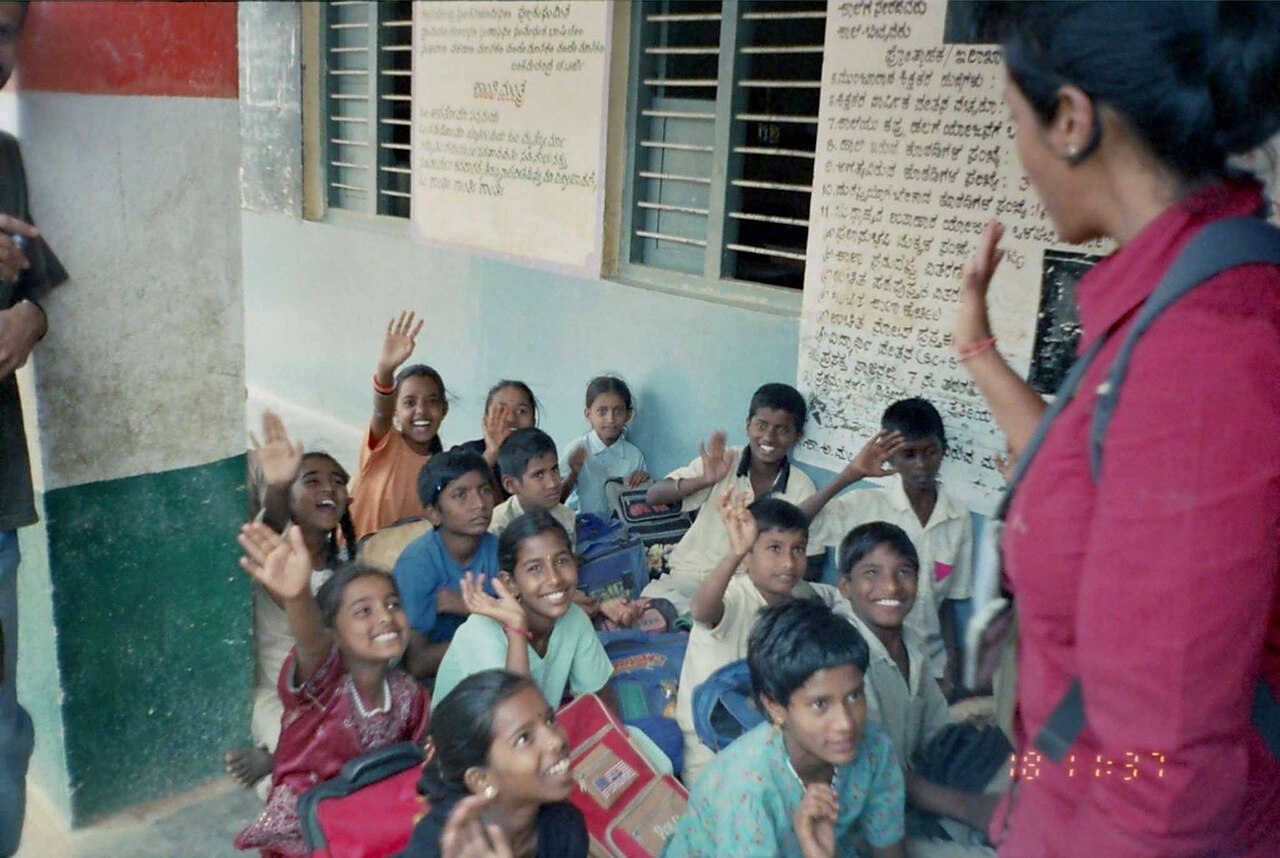
Today's roundup travels from southern India to western Kenya, the Himalayan kingdom of Bhutan and classrooms across Romania. In each place, leaders and teachers are working on the same question: how to make sure no child, and no young person who has already left school, is shut out of learning.
Karnataka, India: a second chance for students who left school
The government of Karnataka has notified the rules for the Karnataka Open School Programme, giving people who dropped out of school a way to resume their education, Deccan Herald reported on 21 November. Under the rules, students can make up to ten attempts to clear any examination. Learners aged 15 can enroll in class ten, and those aged 17 and above can seek admission to pre-university courses if they have completed secondary education through a recognized board or open schooling institution.
Enrollment will be monitored centrally through Samagra Shikshana Karnataka, and candidates can get help from district open school learning hubs and taluk-level learning centers. Exams will be run by the Karnataka School Examination and Assessment Board, with Kannada and English as the languages of instruction.
In a separate notification, the state revised its teacher recruitment rules, giving 15 percent weightage to four-year integrated BEd degrees, and added Marathi and Urdu to the languages for question papers for graduate primary teachers of classes six to eight. The real test now is reach: the rules open the door, but the learning hubs will need to find and support the young people who left school, many of whom are already working or caring for family.
Kenya: a plan to stop parents paying for extra teachers
Speaking in Budalangi, Busia County, on 20 November, President William Ruto announced plans to move Board of Management (BOM) teachers onto the government payroll, The Kenya Times reported. These are teachers employed by school boards, and parents are often asked to contribute money toward their pay.
"As for all the BOM teachers here, I want to place them on the government payroll so that parents will no longer be asked to pay money to support the employment of teachers in schools," Ruto said, according to The Kenya Times.
He also repeated that the government plans to hire another 20,000 teachers in December, after recruiting 100,000. Earlier this month, People Daily reported that he told a headteachers' conference in Mombasa that the government had also built 23,000 classrooms. For families, removing the cost of BOM teachers would ease a real burden. It is still an announcement: the reports we read gave no timeline or cost for the change, and parents and teachers will be watching for the details.
Bhutan: a promise that children with disabilities belong in class
Bhutan marked World Children's Day on 20 November with a commitment to give children with disabilities equal opportunity to learn, take part and belong, UNICEF Bhutan said. In a message to the nation's children, Prime Minister Tshering Tobgay said children with disabilities belong in Bhutan's classrooms, playgrounds and communities, and called for barriers to be removed.
"When something keeps you from taking part, we have a responsibility to change it. And when we make decisions about your lives, we must listen to you, however you communicate," the Prime Minister said.
A televised conversation, moderated by Dasho Dechen Wangmo, head of The PEMA, let three children with disabilities and a student from an inclusive school describe what they need. Their requests were practical: ramps and safety features around town, a tablet to make writing easier, desks with storage. A 15-year-old student at an inclusive school said learning together had taught her to be more empathetic. "When that call is matched by commitment at the highest levels of leadership, real change becomes possible," said UNICEF Bhutan Representative Rushnan Murtaza. The next step is turning that commitment into accessible schools and the tools children asked for.
Romania: a national lesson on children's rights
Teachers across Romania have been invited to give a new lesson on children's rights between 20 November and 15 December, UNICEF Romania announced on 19 November. Modeled on the World's Largest Lesson, it comes in two versions: "Who looks after my rights?" for pupils aged 7 to 14, and "Who is responsible for our rights?" for teenagers aged 15 to 18.
Through case studies and exercises, pupils learn how their rights are protected by the UN Convention on the Rights of the Child and national law, what role institutions such as Parliament, the Government, the Presidency and the courts play, and who they can turn to for help. Materials are free on the QIE platform, and pupils and teachers receive certificates once the lesson is reported. "Education on children's rights helps to foster a generation of informed, responsible and engaged citizens," said Anna Riatti, UNICEF's representative in Romania. The lesson is voluntary, so how many children it reaches depends on teachers choosing to take part.
Why it matters
Getting every child into learning is not only about building schools. It is also about second chances for those who left, teachers paid fairly so families are not charged, classrooms open to children with disabilities, and lessons that help children know their own rights. Each of today's stories is a first step, and each will need steady follow-through to change children's lives.
Learn more
- Deccan Herald: Karnataka govt notifies rules for open schooling programme
- The Kenya Times: Ruto Announces Plan to Recruit All BOM Teachers on Permanent Terms
- People Daily: Ruto announces recruitment of 20,000 teachers in December
- UNICEF Bhutan: Bhutan marks World Children's Day with a call to build an inclusive future for every child
- UNICEF Romania: UNICEF is inviting teachers and pupils across the country to take part in a new national lesson on children's rights
Sources: Deccan Herald, "Karnataka govt notifies rules for open schooling programme," 21 November 2026; The Kenya Times, "Ruto Announces Plan to Recruit All BOM Teachers on Permanent Terms," 20 November 2026; People Daily, "Ruto announces recruitment of 20,000 teachers in December," 12 November 2026; UNICEF Bhutan, "Bhutan marks World Children's Day with a call to build an inclusive future for every child," 20 November 2026; UNICEF Romania, "UNICEF is inviting teachers and pupils across the country to take part in a new national lesson on children's rights and the institutions that protect them," 19 November 2026.
How you can help
These organizations are working to get more children and young people learning in the places in today's stories:
- Pratham works across India to get every child in school and learning well, including a Second Chance program for people who left school early.
- SHOFCO runs education programs in Kenya, including support for schoolgirls.
- Bhutan Foundation partners with Bhutanese communities to expand opportunities through education and healthcare.
- Teach for Romania works for quality education by bringing committed teachers into Romanian schools.
💬 0 replies
Sign in to reply.