
Nepal's Flood-Hit Farmers Rebuild, Thanksgiving Food Drives Grow and WFP Warns of a Triple Chokepoint
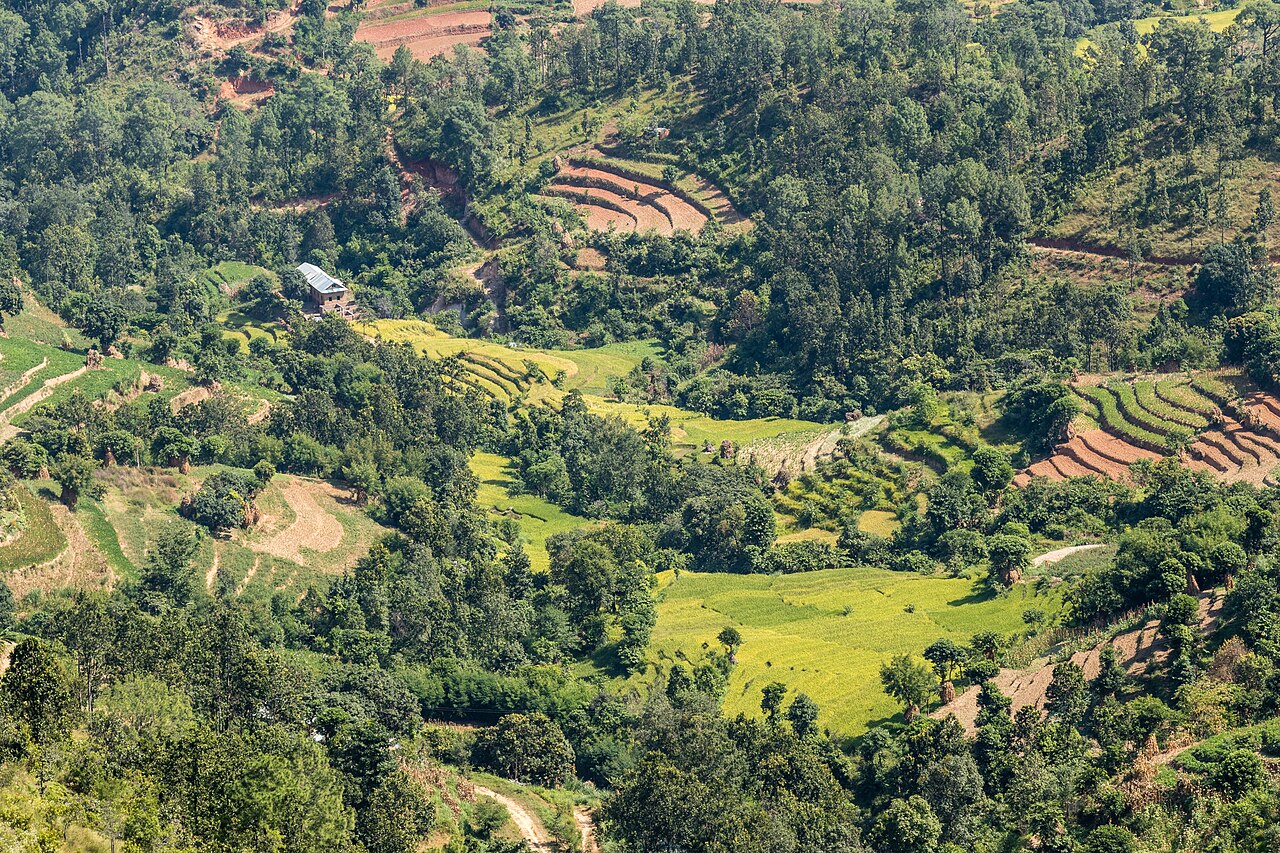
Today's food and nutrition roundup takes us from the UN Security Council in New York, where the head of the World Food Programme warned that blocked trade routes are raising the cost of feeding the world's hungriest people, to the hills of Nepal, where flood-hit farmers are getting their harvests back to market, and to food lines across the United States, where neighbors are making sure families have a Thanksgiving meal.
Global: WFP warns a "triple chokepoint" is putting food aid at risk
Briefing the UN Security Council on Monday, 23 November, World Food Programme Executive Director Luke J. Lindberg said disruption at three sea routes, the Strait of Hormuz, the Bab el-Mandeb and the Black Sea, has "dramatically tightened the supply of food exports and farming inputs," Al Jazeera reported. In his remarks as delivered, he said WFP is likely to face US$727 million in extra costs by mid-2027 if conditions do not change, which would put assistance for 7.3 million people at risk.
The numbers behind the warning are stark. By mid-October, 63 percent fewer wheat and maize ships were moving through the Bosphorus than a year earlier, and around 10 million tons of Russian and Ukrainian wheat may not reach world markets this year, enough to feed 44 million people. About 30 percent of global fertilizer supplies pass through the Strait of Hormuz, and in Sudan the cost of a basic diet is now 130 percent higher than in February. "This is not a problem of production. It is a political problem," Lindberg said. "Grain is available, but it is not reaching the people who need it."
There is a path forward in his message: WFP says it stands ready to help move humanitarian grain shipments from both Russia and Ukraine, and Lindberg asked member states to commit to three "red lines": no more famines, no more weaponization of food and no more attacks on humanitarians. With 266 million people facing acute hunger and famine risks in parts of Sudan, South Sudan and Somalia, the hard part is getting governments to agree.
Nepal: helping flood-hit farmers reach markets again
Three months after devastating floods struck Nepal in August, the World Food Programme on 24 November called for sustained support as winter sets in across the Himalayan highlands. In the first weeks, WFP supported the government-led response with food for more than 20,000 people, followed by cash assistance for 22,400 people. It also moved 919 metric tons of aid for itself and partners by truck, helicopter and cargo drone to communities cut off by damaged roads and bridges.
Recovery is now about livelihoods. In isolated areas, WFP has worked with communities and local authorities to keep farm produce moving, including a pulley ropeway that carries fresh produce from Rasuwa to markets on the other side of the river, helping farmers reconnect with buyers and protect their incomes. "Recovery is about more than rebuilding roads and bridges," said Andrea Berardo, WFP's Deputy Country Director in Nepal. "It means helping farmers reach markets again, restoring household incomes, and ensuring families can put nutritious food on the table."
The road ahead is long. Nepal's National Planning Commission estimated recovery and reconstruction needs at NPR 706.65 billion, around US$5.2 billion, and many families are still in temporary shelters. WFP says it needs an additional US$28 million to meet one year of recovery-related food security and nutrition needs.
United States: neighbors fill the gap before Thanksgiving
Across the country, community groups are stepping up as food lines grow. In Brooklyn, The Campaign Against Hunger provided Thanksgiving groceries for 1,200 households at a distribution on 19 November and aims to give out 23,000 holiday meats through its November distributions, Documented reported. The first person in line, 66-year-old Magdalene Terris, arrived at 6 a.m. to collect food for her family of five. The next day, Brooklyn Borough President Antonio Reynoso's office distributed 60,000 pounds of food, with 150 local organizations signed up to take part. "These lines are getting longer and longer every year," Reynoso told Brooklyn Paper.
In northern Arizona, the Flagstaff Family Food Center gave turkeys and all the fixings to 1,100 families over the weekend, AZFamily reported, and some people drove more than three hours to get there. "Last November, with the SNAP cuts, we saw a 30% increase overnight, and even though SNAP benefits were restored, we did not see that number go down at all," said vice president Ceara Chirovsky.
These drives show how much people care for one another, and organizers say the need is still growing: Chirovsky expects another increase next year. According to Feeding America, more than 48 million Americans experience food insecurity.
Why it matters
Whether the problem is a blocked shipping lane, a washed-out bridge or a stretched family budget, today's stories share one lesson: hunger is often less about whether food exists than about whether it can reach the people who need it. A ropeway over a river in Nepal, a food line in Brooklyn and a diplomatic push for safe grain shipments are all ways of closing that gap.
Learn more
- Al Jazeera: Wars choke global food routes, threatening aid for 7.3 million, WFP warns
- World Food Programme: WFP Executive Director's briefing to the UN Security Council on Ukraine
- World Food Programme: Three Months After Nepal Floods, WFP Calls for Sustained Support for Affected Communities as Bitter Himalayan Winter Sets In
- Documented: More Than a Holiday Meal: Food Drives Bring Relief and Connection to NYC Immigrant Communities
- AZFamily: Flagstaff Family Food Center gives Thanksgiving meals to more than 1,100 families
Sources: Al Jazeera, "Wars choke global food routes, threatening aid for 7.3 million, WFP warns," 24 November 2026; World Food Programme, "WFP Executive Director's briefing to the UN Security Council on Ukraine - Remarks as Delivered," 23 November 2026; World Food Programme, "Three Months After Nepal Floods, WFP Calls for Sustained Support for Affected Communities as Bitter Himalayan Winter Sets In," 24 November 2026; Documented, "More Than a Holiday Meal: Food Drives Bring Relief and Connection to NYC Immigrant Communities," 23 November 2026; Brooklyn Paper, "Brooklyn Borough Hall distributes 60,000 pounds of food as food insecurity grows," 23 November 2026; AZFamily, "Flagstaff Family Food Center gives Thanksgiving meals to more than 1,100 families," 23 November 2026.
How you can help
These organizations work on the issues in today's stories:
- World Food Program USA raises support in the United States for the World Food Programme's emergency food assistance around the world.
- Heifer International works with smallholder farming families in Nepal and other countries to build incomes through livestock and farming.
- The Campaign Against Hunger runs food distributions and a SuperPantry for New York City families from its Brooklyn headquarters.
💬 0 replies
Sign in to reply.