
Rwanda's Kivu Belt Brings Water to Karongi, Djibouti Launches a Rural Water Push and More
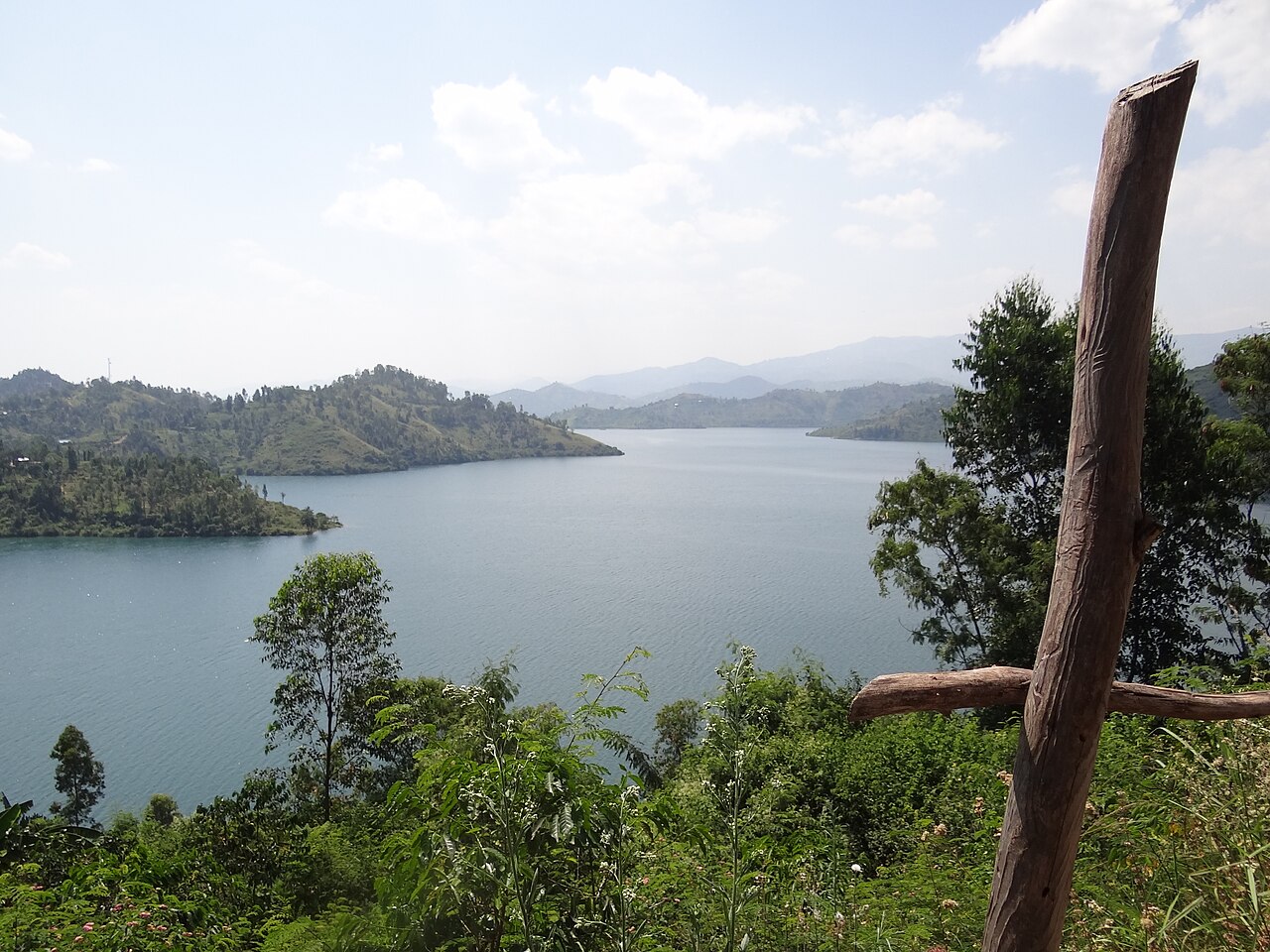
Today's clean water news comes from the hills above Lake Kivu in western Rwanda, from the dry countryside of Djibouti in the Horn of Africa, and from the floor of the United Nations General Assembly, where countries agreed to keep water on the world's agenda for years to come.
Rwanda: a new water system reaches homes, schools and clinics in Karongi
In Karongi District, the first phase of the Kivu Belt Water Supply System is changing daily life, The New Times reported on November 24. Built by Rwanda's Water and Sanitation Corporation (WASAC Group) with more than Rwf13 billion in government investment and financial support from the African Development Bank, the project ran from July 2023 to April 2026. Its new treatment plant can produce 13,000 cubic meters of water a day, up from the 3,300 cubic meters the area's older plants managed, and it comes with a 96.5-kilometer network, 10 reservoirs, a booster pumping station and 105 public taps.
Rachel Mukamana, a mother whose family once depended on the Kavungu River, told the paper: "Since we started getting water from WASAC, we fetch it much closer to us. We now have clean water for cooking and drinking." At Kibuye Health Centre, which sees about 200 patients a day, staff used to fetch water from Lake Kivu during rationing. "Today, we have running water that is consistent. We no longer have issues of water shortage, as we have water seven days a week," said its head, Jean de Dieu Muhire. At Rutabo Primary School, school meals now arrive on time.
District officials say water coverage in Karongi has reached 92 percent. The remaining families are waiting on a second phase covering six more sectors in Karongi and Rutsiro, with construction expected to begin in 2027.
Djibouti: a $35 million push for rural water
On Monday, November 23, Djibouti's government launched a $35 million project to improve rural water supply and the management of its groundwater, Dawan Africa reported, citing the Djibouti News Agency. The project, known as DJIRESA, is funded by a World Bank grant approved in March and is expected to directly benefit 127,000 people in rural areas while strengthening the climate resilience of nearly 167,000.
The need is real. According to the agriculture and water minister, Radwan Abdillahi Bahdon, Djibouti has only 185 cubic meters of renewable water per person each year, far below the 500-cubic-meter threshold for severe scarcity, and only 47 percent of rural residents have basic drinking water services. The minister said access to water should not depend on where people live. The country relies almost entirely on groundwater, which faces recurring droughts, heat and rising salinity.
Beyond new supply, the project will help maintain rural water facilities, build a national groundwater database and draw up a water resources plan. An extra $1.5 million goes to the regional body IGAD to improve water data sharing. The minister called for transparency and measurable results, which will be the real test.
Global: the UN makes its water conference a regular event
The UN General Assembly has adopted a resolution, led by the United Arab Emirates and Senegal, to hold a UN Water Conference every three years starting in 2031, The National reported on November 23. Until now these gatherings have been rare: the first was held in Mar del Plata, Argentina, in 1977, and governments did not meet again until New York in 2023, when about 700 voluntary commitments were made.
The next conference, co-hosted by the UAE and Senegal, runs December 8 to 10 in Abu Dhabi, the first hosted by nations of the Global South. "By establishing a regular UN Water Conference, member states have given the global water agenda the continuity and political platform it needs," said Abdulla Balalaa, the UAE's Assistant Minister of Foreign Affairs for Energy and Sustainability. The conferences will be paid for outside the UN's regular budget, and donors are encouraged to help developing countries attend, with priority for the least developed countries and small island states.
The scale of the work is large. According to UN figures cited by The National, an estimated 2.1 billion people lack safely managed drinking water, and 3.4 billion lacked safely managed sanitation in 2024, even though the share of people with safely managed sanitation rose from 48 percent in 2015 to 58 percent in 2024.
Why it matters
Each of today's stories works at a different scale: a district where a clinic finally has water every day, a country stretching scarce groundwater to reach rural families, and a world agreeing to keep meeting until the job is done. Pipes, plans and promises all matter, but they only count when they keep water flowing to the people who need it, and that takes steady money, maintenance and follow-through.
Learn more
- The New Times (via allAfrica): Kivu Belt Water Project Brings Relief to Households, Schools and Health Centres
- Dawan Africa: World Bank Funds $35 Million Rural Water Supply Project in Djibouti
- World Bank: $35 million Grant to Expand Safe Water Access for Rural Communities in Djibouti
- The National: UN water summit to be held every three years after next month's UAE talks
Sources: The New Times, "Kivu Belt water project brings relief to households, schools and health centres," 24 November 2026; Dawan Africa, "World Bank Funds $35 Million Rural Water Supply Project in Djibouti," 24 November 2026; World Bank, "$35 million Grant to Expand Safe Water Access for Rural Communities in Djibouti," 16 March 2026; The National, "UN water summit to be held every three years after next month's UAE talks," 23 November 2026.
How you can help
These organizations are working to bring safe water and sanitation to the places in today's stories:
- Water For People works with district governments in Rwanda to bring lasting water and sanitation services to every family, school and clinic.
- UNICEF USA supports UNICEF's work for children around the world, including safe water, sanitation and hygiene in drought-hit communities.
- WaterAid works in communities and with governments worldwide to make clean water, decent toilets and good hygiene normal for everyone.
💬 0 replies
Sign in to reply.